Films
2 films
About Eugenie Woodward
American actress who worked briefly during the silent film era in the mid-1910s. Her known filmography consists of only two credited roles, appearing in the 1916 adaptation of the popular Victorian novel 'East Lynne' and the 1917 historical drama 'Betsy Ross.' Like many actors of the early silent period, her career was exceptionally brief, spanning only the years 1916-1917. The limited documentation of her work reflects the transient nature of many early film careers, where actors often appeared in just a handful of productions before leaving the industry. Her roles, while minor, were in productions that were part of the burgeoning American film industry's efforts to adapt literary classics and historical subjects for the screen. Beyond these two film appearances, little is known about her life or career trajectory, making her representative of the countless anonymous contributors to early cinema history.
The Craft
Milestones
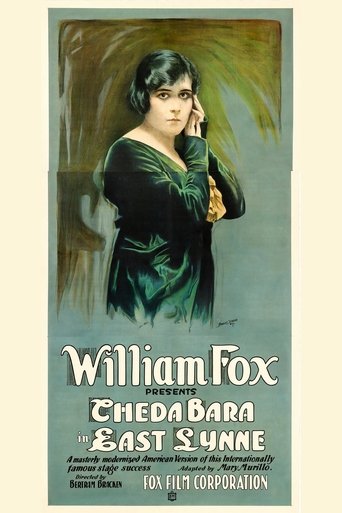
- Appeared in East Lynne (1916)
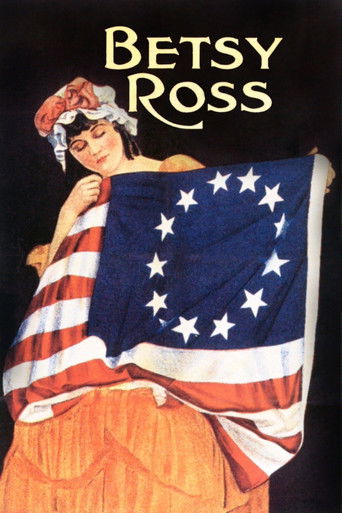
- Appeared in Betsy Ross (1917)
Best Known For
Must-See Films
Why They Matter
Impact on Culture
Eugenie Woodward's cultural impact is minimal due to her extremely brief career in the film industry, but she represents the countless actors who contributed to the development of early American cinema during its formative years. Her participation in adaptations of classic literature and historical subjects reflects the early film industry's efforts to establish cinema as a legitimate artistic medium by drawing from respected source material.
Lasting Legacy
Eugenie Woodward's legacy is primarily as an example of the transient nature of early film careers and the difficulty of documenting the contributions of many silent era performers. While she did not achieve lasting fame, her work in East Lynne and Betsy Ross places her among the actors who helped establish the American film industry during its crucial developmental period in the mid-1910s.
Who They Inspired
Due to her brief career and limited filmography, there is no documented evidence of Eugenie Woodward influencing other actors or directors in the film industry.
Off Screen
Very little is known about Eugenie Woodward's personal life, which is typical of many actors from the early silent era who had brief careers and left minimal historical documentation.
Did You Know?
- Her entire known film active years covered only two years (1916-1917)
- She appeared in adaptations of both literary classics and historical subjects
- Like many early film actors, her biographical details have been largely lost to history
- East Lynne was
- Betsy Ross (1917) was part of the early trend of historical films about American revolutionary figures
- No photographs of Eugenie Woodward are widely available in modern archives
- Her career coincided with the transition from short films to feature-length productions in American cinema
Frequently Asked Questions
Who was Eugenie Woodward?
American actress who worked briefly during the silent film era, appearing in only two known films: East Lynne (1916) and Betsy Ross (1917). Her career was exceptionally short, lasting just two years, and little is known about her life beyond these film credits.
What films is Eugenie Woodward best known for?
Titles linked here include East Lynne (1916), Betsy Ross (1917).
When was Eugenie Woodward born and when did she die?
The birth and death dates of Eugenie Woodward are not known, which is common for many actors from the early silent era who had brief careers and left minimal historical documentation.
What awards did Eugenie Woodward win?
There are no records of Eugenie Woodward receiving any awards or nominations during her brief film career. The major film awards, including the Academy Awards, were not established until after her career had ended.
What was Eugenie Woodward's acting style?
Due to the lack of surviving films and documentation about her work, Eugenie Woodward's specific acting style is not known. Like most actors of her era, she would have used the exaggerated gestures and expressions typical of silent film performance.
Why is so little known about Eugenie Woodward?
The scarcity of information about Eugenie Woodward is typical of many early film actors who had brief careers. The film industry in the 1910s did not maintain comprehensive records, and many performers from this period have been lost to history despite their contributions to early cinema.