Films
2 films
About Frank Norcross
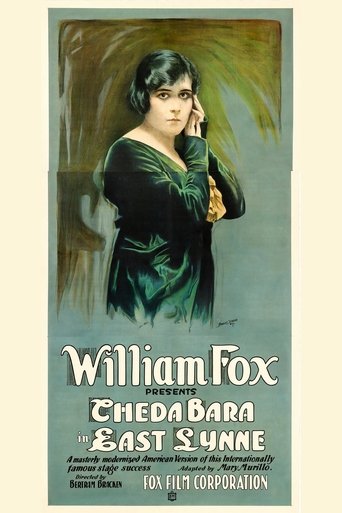
Silent-era screen actor: documented film career appears to have been brief and concentrated in the mid-to-late 1910s through the early 1920s. He is Frank Norcross appeared in surviving film records for appearing in the 1916 adaptation of East Lynne and later in All Dolled Up (1921), placing him within the transitional period when American cinema was moving from early feature production into a more polished studio system. Like many actors of the silent era, he appears to have worked primarily in supporting or character parts rather than as a top-billed star, which can make biographical reconstruction difficult because studio publicity and later reference sources often preserved only fragmentary details. Available evidence suggests that he was active during the height of the silent film boom, when production companies relied on a large pool of dependable performers to populate melodramas, comedies, and literary adaptations. No reliable modern biographical record has surfaced that confirms his birth details, family background, or later life with certainty, indicating that he remains one of the many early screen players whose contributions are preserved mainly through film credits. His surviving credit trail, though sparse, still reflects the breadth of talent that supported early Hollywood and helped build the language of screen acting before the coming of sound. Because of the limited archival record, any fuller biography would require corroboration from trade papers, studio documents, or contemporary newspaper notices.
The Craft
Milestones
- Appeared in the 1916 film adaptation of East Lynne, a title drawn from.
- Was Frank Norcross appeared in All Dolled Up (1921), showing continued work into the early 1920s silent-comedy period.
- Worked during a formative era of American film production when feature-length storytelling and star systems were rapidly evolving.
- Represents the class of working supporting actors whose performances helped sustain the output of silent-era studios.
- His preserved film credits place him in the historical record of early Hollywood even though detailed personal documentation is scarce.
Best Known For
Iconic Roles
Must-See Films
Why They Matter
Impact on Culture
Frank Norcross's cultural impact is best understood as part of the collective labor of silent-era character actors who made early narrative cinema function on screen. Even without star recognition, performers like Norcross gave continuity and texture to productions that depended on expressive face-to-face acting, clear visual storytelling, and fast-paced studio output. His presence in both a major melodramatic adaptation and an early-1920s screen comedy underscores the versatility expected of actors in the silent period, when performances had to communicate efficiently without spoken dialogue. In that sense, he contributed to the professional fabric of American silent film at a moment when the medium was defining its conventions. His legacy lies less in fame than in the historical record of the era's working actors, whose names survive as part of cinema's foundational personnel.
Lasting Legacy
Frank Norcross's legacy is that of a documented silent-film performer whose surviving credits provide a small but meaningful window into early Hollywood production culture. He is part of the generation of actors who worked before the consolidation of modern studio publicity, which means their careers are often traceable only through scattered filmographies and archival listings. For film historians, such names are important because they help reconstruct casting networks, production practices, and the breadth of talent employed in the silent era. Although he is not known to have left behind a large body of work or a widely remembered screen persona, his credited appearances ensure that he remains part of cinema history. His record is also a reminder of how many early film workers contributed to the art form without leaving extensive personal archives.
Who They Inspired
There is no documented evidence that Frank Norcross directly mentored a later generation of actors or directors, but his work participated in the broader silent-era acting tradition that influenced screen performance for decades. The stylized yet readable acting methods required in his era helped establish norms of gesture, pacing, and visual emphasis that later performers refined. In that indirect sense, actors like Norcross helped shape the baseline grammar of screen acting that sound-era cinema inherited and transformed. His influence is therefore historical and collective rather than personal and traceable to named protégés.
Off Screen
No reliable public biographical record has been verified that identifies Frank Norcross's marriages, children, family background, or later private life. Silent-era supporting players were often omitted from later biographical directories unless they achieved star status, which appears to be the case here. As a result, his personal life remains largely undocumented in currently accessible film-reference sources.
Did You Know?
- Frank Norcross is best documented through film credits rather than through extensive biographical writing, which is common for many silent-era supporting actors.
- His known screen career spans only a few years in the surviving record, from 1916 to 1921.
- One of his credited films, East Lynne, was based on a famously popular 19th-century melodrama that was adapted repeatedly for stage and screen.
- All Dolled Up places him in the early 1920s, when silent comedies and urban social comedies were becoming increasingly popular.
- No verified birth or death data has been confidently established from standard modern reference sources available here.
- He is an example of the many early-film performers whose careers are preserved mainly by archival filmographies, not by studio-generated celebrity narratives.
- Because his surviving credits are sparse, it is possible he worked in additional unconfirmed productions that have not been fully indexed or that survive only in incomplete records.
- The scarcity of personal information about him highlights the documentation challenges faced by researchers studying the silent era.
Frequently Asked Questions
Who was Frank Norcross?
Silent-era American film with credits in this catalog. He appears to have worked as a supporting performer in early feature films rather than as a major star, which is why detailed biographical information about him is limited.
What films is Frank Norcross best known for?
Titles linked here include East Lynne (1916), All Dolled Up (1921).
When was Frank Norcross born and when did he die?
His birth and death dates are not currently verified in the available reference record, so they should be listed as unknown. The same is true of his birthplace and later-life details.
What awards did Frank Norcross win?
No awards or nominations are currently documented for Frank Norcross in the surviving reference material. That is not unusual for a working silent-era supporting actor whose career was brief or lightly publicized.
What was Frank Norcross's acting style?
No detailed contemporary critical description of his style has been verified, but as a silent-era performer he would have worked within the expressive, visual acting conventions of the period. That generally meant clear facial expression, readable gesture, and an ability to communicate character without spoken dialogue.
What is Frank Norcross's legacy in film history?
His legacy lies in the historical record of silent cinema, where many supporting actors helped build the industry even if they did not become household names. His credits in early features make him part of the foundation of American screen acting and production history.