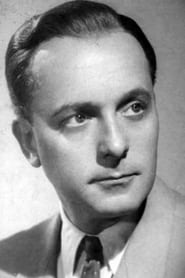
Imre Ráday
Actor
Born: September 4, 1905 in Budapest, Austria-Hungary (now Hungary) Died: March 12, 1983 Active: 1927-1928
Films
2 films
About Imre Ráday
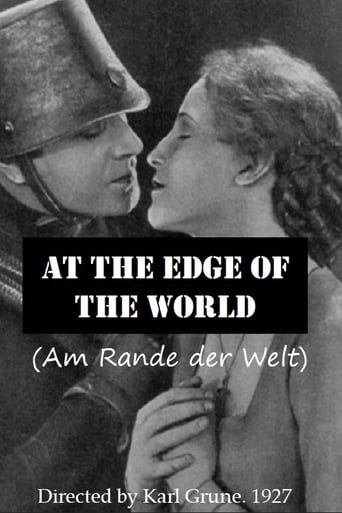
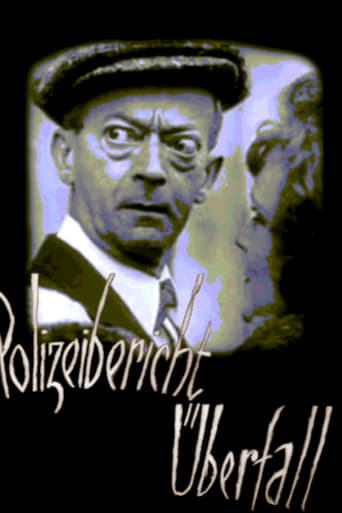
Hungarian actor who had a brief but notable career during the late silent film era. Born in Hungary, he emerged as a promising talent in European cinema during the transitional period between silent films and early talkies. His most significant work came in 1927-1928, where he appeared in two notable productions that showcased his dramatic abilities. 'At the Edge of the World' (1927) and 'Accident' (1928) represented his primary film contributions, with both films being characteristic of the sophisticated European cinema of the period. Despite his promising start and evident talent, his film career appears to have been quite brief, possibly due to the challenges many European actors faced during the transition to sound films or other personal circumstances. His work, though limited in quantity, represents an important example of the international nature of silent film production during the golden age of European cinema.
The Craft
On Screen
Ráday's acting style was characteristic of the late silent era, emphasizing dramatic expression and physical performance to convey emotion without dialogue. His performances likely incorporated the heightened theatricality common in European silent cinema, while beginning to show the naturalism that would become standard in early sound films.
Milestones
- Debut in 'At the Edge of the World' (1927)
- Starring role in 'Accident' (1928)
- Transition from stage to film during late silent era
Best Known For
Iconic Roles
Must-See Films
Accolades
Special Recognition
- Recognized as part of Hungary's silent film heritage
Working Relationships
Worked Often With
Studios
Why They Matter
Impact on Culture
Imre Ráday represents the generation of European actors who worked during the final flowering of silent cinema. His films from 1927-1928 capture the sophisticated artistic achievements of Hungarian cinema during this period, which was. Though his career was brief, his work contributes to our understanding of the international nature of silent film production and the challenges actors faced during the transition to sound.
Lasting Legacy
Ráday's legacy lies primarily in his contribution to Hungarian silent cinema, serving as an example of the talented actors who emerged during this dynamic period. His two surviving films provide valuable documentation of late silent era performance styles and Hungarian cinematic culture of the 1920s. While not widely known internationally, he remains part of Hungary's film history and the broader story of European cinema's golden age.
Who They Inspired
As a brief participant in silent cinema, Ráday's direct influence on subsequent generations of actors appears limited. However, his work contributes to the broader understanding of performance techniques during the transition from silent to sound films, and his films serve as historical documents for studying the evolution of European cinema.
Off Screen
Imre Ráday lived through significant periods of Hungarian and European history, from the Austro-Hungarian Empire through World War II and the communist era. His brief film career during the late 1920s suggests he may have pursued other professional interests or returned to theatrical work. He lived to age 77, witnessing the complete transformation of cinema from silent films to modern moviemaking.
Education
Likely received theatrical training in Hungary during the 1920s, though specific educational details are not documented in available sources.
Did You Know?
- His entire known film active years covered only two years (1927-1928)
- Both of his known films were produced during the final peak of silent cinema before the sound revolution
- His career coincided with
- He represents the many European actors whose careers were disrupted by the coming of sound
- His birth in 1905 places him among the generation of actors who grew up with cinema as an established medium
- His lifespan (1905-1983) meant he witnessed the entire history of cinema from silent films to modern blockbusters
Frequently Asked Questions
Who was Imre Ráday?
Hungarian with credits in this catalog.
What films is Imre Ráday best known for?
Titles linked here include At the Edge of the World (1927), Accident (1928).
When was Imre Ráday born and when did he die?
Born September 4, 1905; died March 12, 1983.
What awards did Imre Ráday win?
There are no documented awards or nominations for Imre Ráday, likely due to his very brief film career lasting only two years during the late silent era.
What was Imre Ráday's acting style?
His acting style was characteristic of the late silent era, emphasizing dramatic expression and physical performance typical of European cinema during the transition to sound films.
Why was Imre Ráday's career so short?
While the exact reasons are not documented, his brief career (1927-1928) coincided with the transition from silent to sound films, a period that ended many actors' careers, especially in European cinema.
What is Imre Ráday's significance in film history?
Ráday represents the generation of European silent era actors and contributes to the documentation of Hungarian cinema's golden age, though his limited filmography makes him a minor figure in broader film history.