Alice Brady
Actor
Born: November 2, 1892 in New York City, New York, USA Died: October 28, 1939 Active: 1914-1939 Birth Name: Mary Rose Brady
Films
3 films
About Alice Brady
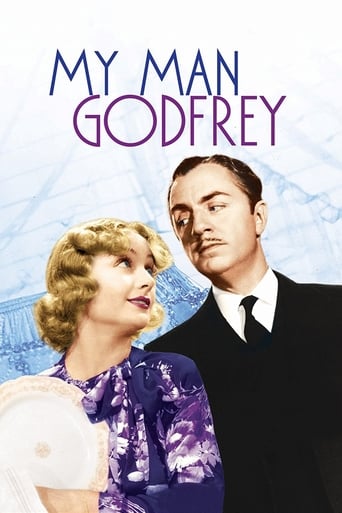
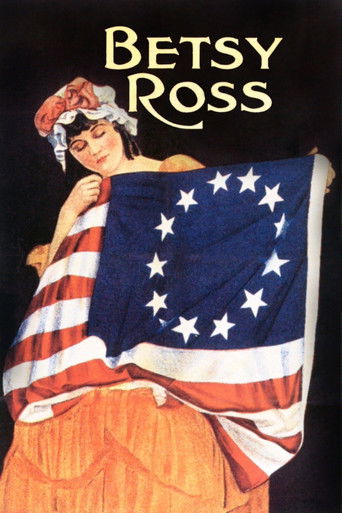
The 1917 film Betsy Ross is the only title linked here for Alice Brady. Born into a theatrical family as the daughter of renowned Broadway star William A. Brady, she made her stage debut in 1911 and transitioned to films in 1914 with World Film Corporation. Brady's silent film career flourished with starring roles in productions like 'Betsy Ross' (1917), where she portrayed the American flag maker with historical gravitas and emotional depth. She successfully navigated the challenging transition to talkies, showcasing her remarkable vocal talents and comedic timing in films like 'My Man Godfrey' (1936), where she played the eccentric and wealthy mother with perfect comedic precision. Brady's career reached its pinnacle with her Academy Award-winning performance in 'In Old Chicago' (1937), though tragically she was too ill with cancer to attend the ceremony and her mother accepted the award on her behalf. Despite her declining health, she continued working until her death in 1939, leaving behind a legacy of over 80 film performances that showcased her extraordinary range from dramatic leading lady to brilliant comic character actress.
The Craft
On Screen
Alice Brady was renowned for her versatility, effortlessly transitioning between dramatic leading roles in silent films to brilliant comic character performances in talkies. Her acting style combined theatrical precision with naturalistic charm, allowing her to excel in both melodramatic silent films where facial expression was paramount, and sophisticated sound comedies where timing and vocal delivery were crucial. Brady possessed a unique ability to portray eccentric, wealthy society women with both humor and humanity, creating memorable characters that were simultaneously ridiculous and relatable. Her background in Broadway theater gave her exceptional diction and stage presence, which served her well during the transition to sound pictures, while her silent film experience honed her ability to convey emotion through subtle physical gestures and expressions.
Milestones
- Stage debut in 'The Balkan Princess' (1911)
- Film debut in 'As Ye Sow' (1914)
- Starred in the historical epic 'Betsy Ross' (1917)
- Successful transition to sound films in late 1920s
- Academy Award nomination for 'My Man Godfrey' (1936)
- Academy Award win for 'In Old Chicago' (1937)
- Final film appearance in 'Young Mr. Lincoln' (1939)
Best Known For
Iconic Roles
Must-See Films
Accolades
Won
- Academy Award for Best Supporting Actress - 'In Old Chicago' (1937)
Nominated
- Academy Award nomination for Best Supporting Actress - 'My Man Godfrey' (1936)
Special Recognition
- Hollywood Walk of Fame star at 6201 Hollywood Boulevard
Working Relationships
Worked Often With
Studios
Why They Matter
Impact on Culture
Alice Brady made significant contributions to American cinema during its formative years, particularly in demonstrating how stage-trained actors could successfully transition to the new medium of film and then to sound pictures. Her performances helped establish the archetype of the eccentric society matron in screwball comedies, influencing countless actresses who followed in similar roles. Brady's Academy Award win for 'In Old Chicago' was particularly significant as it recognized the importance of supporting performances in ensemble pictures, helping to establish the credibility of the Best Supporting Actress category which had only been introduced two years earlier. Her work in historical films like 'Betsy Ross' also contributed to early Hollywood's efforts to create patriotic American cinema during World War I, helping to shape the industry's approach to historical storytelling.
Lasting Legacy
Alice Brady's legacy endures through her memorable performances that continue to be studied and appreciated by film scholars and classic cinema enthusiasts. Her successful transition from silent film star to acclaimed character actress in sound pictures serves as an inspiring example of adaptability in the face of technological change in the film industry. Brady's posthumous Academy Award acceptance, with her mother receiving the Oscar on her behalf, remains. The Hollywood Walk of Fame star bearing her name ensures that her contributions to American cinema are permanently commemorated, while her films continue to be preserved and shown at classic film festivals and on Turner Classic Movies, introducing new generations to her remarkable talent.
Who They Inspired
Alice Brady influenced subsequent generations of character actresses, particularly in how to approach comic roles with both humor and humanity. Her technique of playing eccentric characters as fully realized people rather than mere caricatures became a model for performers in screwball comedies and later television sitcoms. Brady demonstrated that supporting roles could be just as artistically fulfilling and critically acclaimed as leading parts, paving the way for future character actors to pursue meaningful careers without needing to be conventional stars. Her ability to balance theatrical training with film naturalism provided a template for other stage actors making the transition to cinema, and her success in both dramatic and comic genres showed the value of versatility in an actor's career development.
Off Screen
Alice Brady was born into one of America's most prominent theatrical families, with her father William A. Brady being a legendary Broadway producer and manager. She married actor and writer James Crane in 1919, and they had one son, Donald, before divorcing in 1922. Despite her Hollywood success, Brady maintained strong ties to New York's theatrical community and often returned to Broadway between film commitments. Her personal life was marked by both professional triumph and personal tragedy, including her battle with cancer that ultimately claimed her life at age 46. Brady was known for her generosity and kindness to fellow performers, often using her family's industry connections to help struggling actors and actresses find work.
Education
Educated in private schools in New York City; trained in acting through her father's theatrical connections and practical stage experience
Family
- James Crane (1919-1922)
Did You Know?
- Her father William A. Brady was one of Broadway's most influential producers and managers
- She was too ill with cancer to attend the Academy Awards ceremony where she won her Oscar
- Her mother accepted her Academy Award on her behalf, making it one of the first posthumous Oscar wins
- She made her film debut at age 22 after already establishing herself on Broadway
- Brady appeared in over 80 films during her 25-year career
- She was one of the few silent film stars to successfully transition to major sound film stardom
- Her final film 'Young Mr. Lincoln' was released after her death
- She originally wanted to be a writer before being convinced to try acting
- Brady was known for her impeccable comic timing in screwball comedies
- She was a direct contemporary and friend of many silent era stars including Mary Pickford
In Their Own Words
I never considered myself a star. I was an actress, and there's a difference. Stars want to be stars; actresses want to act.
The theater is in my blood. My father breathed it, and I learned to walk and talk in its wings.
Comedy is serious business. Making people laugh requires more skill than making them cry.
Transitioning from silent pictures to sound wasn't as difficult for me as it was for others. I came from the stage where we had to use our voices.
Frequently Asked Questions
Who was Alice Brady?
American actress who successfully transitioned from silent films to sound pictures during Hollywood's golden age. She was the daughter of Broadway producer William A. Brady and won an Academy Award for Best Supporting Actress for her role in 'In Old Chicago' (1937).
What films is Alice Brady best known for?
Titles linked here include Betsy Ross (1917), My Man Godfrey (1936).
When was Alice Brady born and when did she die?
Born November 2, 1892; died October 28, 1939.
What awards did Alice Brady win?
Alice Brady won the Academy Award for Best Supporting Actress for her performance in 'In Old Chicago' (1937). She was also nominated for the same award the previous year for 'My Man Godfrey' (1936) and has a star on the Hollywood Walk of Fame.
What was Alice Brady's acting style?
Alice Brady was known for her versatility, excelling in both dramatic silent films and sophisticated sound comedies. Her acting combined theatrical precision with naturalistic charm, and she was particularly renowned for her ability to portray eccentric society women with both humor and humanity.
How did Alice Brady die?
Alice Brady died from cancer on October 28, 1939. She was so ill that she couldn't attend the Academy Awards ceremony where she won her Oscar, and her mother accepted the award on her behalf.
What was Alice Brady's connection to Broadway?
Alice Brady came from a prominent theatrical family; her father William A. Brady — legendary Broadway producer. She made her stage debut in 1911 and maintained strong ties to New York theater throughout her film career, often returning to Broadway between film commitments.