Enrico Caruso
Actor
Born: February 25, 1873 in Naples, Italy Died: August 2, 1921 Active: 1895-1921 (Opera), 1918 (Film)
Films
1 film
About Enrico Caruso
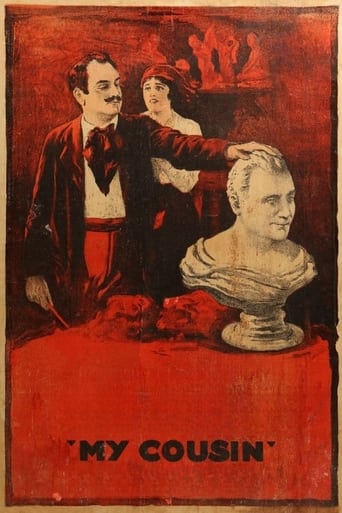
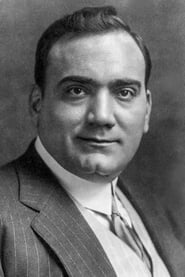
Enrico Caruso was operatic tenors of all time who made a brief but notable foray into silent cinema during the final years of his life. Born in Naples, Italy, Caruso rose from poverty to become the foremost opera singer of his era, performing at the world's most prestigious venues including New York's Metropolitan Opera where he was a star for 17 seasons. His powerful voice and charismatic stage presence made him a cultural icon of the early 20th century. In 1918, at the height of his fame, Caruso appeared in the silent film 'My Cousin,' one of only two films he would make during his career. His transition to film was part of a broader trend of stage celebrities crossing over to the new medium of cinema. Caruso's film appearances, though brief, captured his magnetic personality and helped bridge the worlds of opera and early cinema. His life was cut short in 1921 at age 48 due to complications from pleurisy, leaving behind a legacy as both an operatic legend and an early film pioneer.
The Craft
On Screen
Caruso brought his operatic stage presence to silent film, using exaggerated gestures and facial expressions typical of the era. His natural charisma and larger-than-life personality translated well to the screen, though his film performances were essentially extensions of his stage persona rather than methodical acting. His approach was theatrical and grand, befitting his operatic background.
Milestones
- Debut at the Metropolitan Opera in 1903
- Starred in over 800 performances at the Met
- Made numerous successful recordings for Victor Talking Machine Company
- Appeared in 'My Cousin' (1918) and 'A Splendid Hazard' (1920)
- First opera singer to sell over a million records
- Performed for royalty and heads of state worldwide
Best Known For
Iconic Roles
Must-See Films
Accolades
Won
- Grammy Hall of Fame Award (posthumous) for recordings
- Star on Hollywood Walk of Fame
Nominated
- Inducted into the Grammy Hall of Fame multiple times
Special Recognition
- Hollywood Walk of Fame star (6225 Hollywood Blvd)
- Grammy Hall of Fame inductee
- Italian postage stamp issued in his honor
- Metropolitan Opera Archives dedicated collection
Working Relationships
Worked Often With
Studios
Why They Matter
Impact on Culture
Caruso's appearance in 'My Cousin' represented a significant moment in early cinema, demonstrating the film industry's desire to attract established cultural figures to legitimize the new medium. His participation helped bridge the gap between high art and popular entertainment, bringing opera audiences to movie theaters. Caruso's films, though few, were part of the broader trend of cultural icons crossing over to cinema, helping establish film as a serious artistic medium. His recordings and film appearances preserved his artistry for future generations, making him one of the first truly multimedia stars of the 20th century.
Lasting Legacy
Enrico Caruso's legacy extends far beyond his brief film career, but his cinematic work represents an important chapter in early film history. As one of the first major cultural figures to appear in motion pictures, he helped pave the way for other stage and opera performers to transition to film. His recordings and films continue to be studied and appreciated, with his voice considered. The preservation of his performances through both audio and film media has made him an enduring cultural icon whose influence spans multiple generations and artistic disciplines.
Who They Inspired
Caruso's crossover to film influenced countless performers who followed, showing that established artists could successfully transition to the new medium of cinema. His success in both opera and early film demonstrated the potential for multimedia stardom, a concept that would become central to entertainment in the 20th century. Many later opera singers, including Mario Lanza, cited Caruso as a major influence in both their musical careers and their attempts to bridge opera and popular entertainment. His recordings also influenced the development of the recording industry and the way vocal performances were captured and preserved.
Off Screen
Caruso's personal life was as dramatic as his operatic roles. He married Dorothy Benjamin in 1918, a woman 20 years his junior, with whom he had a daughter, Gloria. Earlier in life, he had a long-term relationship with Ada Giachetti, with whom he had two sons, though they never married. Caruso was known for his generosity, often supporting struggling musicians and donating to charity. Despite his international fame, he remained deeply connected to his Italian roots and maintained homes in both New York and Italy. His health began declining in 1920, leading to his untimely death the following year.
Education
Self-taught singer with minimal formal education; studied voice with Guglielmo Vergine and Vincenzo Lombardi
Family
- Dorothy Benjamin (1918-1921)
Did You Know?
- Caruso was the first opera singer to sell over one million records
- He made over 260 recordings during his career
- His voice could reportedly be heard three blocks away from the Met when he sang
- He earned more money than any other opera singer of his time
- Caruso — talented caricature artist and often drew sketches of fellow performers
- He was arrested in 1906 for allegedly molesting a woman in Central Park, though charges were later dropped
- His recording of 'Vesti la giubba' from 'Pagliacci' was the first million-selling record in history
- Caruso — close friend of inventor Thomas Edison
- He performed for Pope Leo XIII in 1902
- His death was front-page news worldwide
- The Caruso music school in Philadelphia was founded in his honor
- His daughter Gloria became a socialite and appeared in some films
In Their Own Words
I have never been able to understand why I am so popular. I only know that when I sing, people seem to like it.
The voice is a gift of God. Don't abuse it.
When I sing, I feel as if I were in heaven.
Music is the universal language of mankind.
I would rather be a poor singer than a rich man who cannot sing.
Frequently Asked Questions
Who was Enrico Caruso?
Enrico Caruso was. Born in Italy in 1873, he became a star at the Metropolitan Opera and made the transition to film in 1918 with 'My Cousin'. He was renowned for his powerful voice and charismatic stage presence.
What films is Enrico Caruso best known for?
Titles linked here include My Cousin (1918), A Splendid Hazard (1920).
When was Enrico Caruso born and when did he die?
Born February 25, 1873; died August 2, 1921.
What awards did Enrico Caruso win?
While most awards were established after his death, Caruso received posthumous recognition including a Grammy Hall of Fame Award for his historic recordings and a star on the Hollywood Walk of Fame. He was also the subject of numerous honors and tributes.
What was Enrico Caruso's acting style?
Caruso brought his operatic theatricality to silent film, using exaggerated gestures and expressions typical of the era. His performances were grand and charismatic, essentially extensions of his stage persona rather than subtle method acting.
How did Enrico Caruso influence cinema?
Caruso was one of the first major cultural figures to appear in motion pictures, helping legitimize film as an art form. His crossover from opera to film demonstrated the potential for multimedia stardom and paved the way for other performers to transition between stage and screen.
What made Enrico Caruso famous?
Caruso was primarily famous for his extraordinary operatic voice and performances at the Metropolitan Opera, where he starred for 17 seasons. His numerous successful recordings made him one of the first truly international entertainment superstars, with his fame extending from opera houses to popular culture.