Films
3 films
About Ciro Galvani
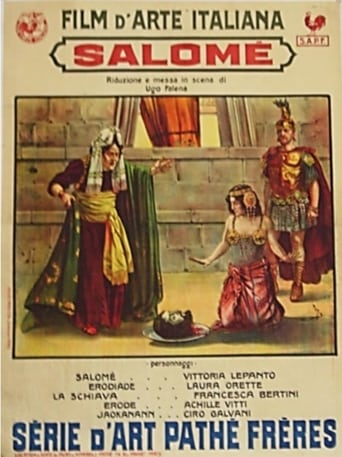
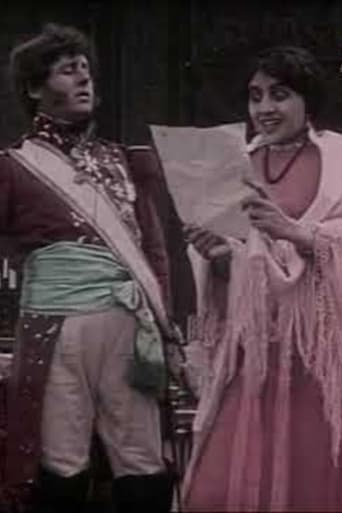
Ciro Galvani is credited on a single production — Salomé (1910). His brief but notable film career coincided with the golden age of Italian silent films, when the country was producing some of the most ambitious and technically advanced cinema in the world. Galvani appeared in historical epics and dramatic adaptations that were characteristic of early Italian filmmaking's preference for grandiose subjects drawn from history, literature, and opera. His role in 'Salomé' (1910) places him among the early actors to participate in biblical adaptations that were popular in the first decade of cinema. The following year, he appeared in 'Una congiura contro Murat' (1912), a historical drama about the conspiracy against Joachim Murat, Napoleon's brother-in-law and King of Naples. Like many actors of this period, Galvani's career was likely brief and may have included stage work before or after his film appearances. His work represents the transition from theatrical acting styles to the more subtle techniques required by the new medium of cinema.
The Craft
On Screen
Like most actors of the early silent era, Galvani likely employed theatrical, exaggerated gestures and facial expressions to convey emotion and meaning to audiences without synchronized dialogue. His acting would have been influenced by stage traditions, with broad physical movements and dramatic poses that could be clearly read through the camera lens of the time.
Milestones
- Appeared in 'Salomé' (1910), one of the early Italian biblical adaptations
- Starred in 'Una congiura contro Murat' (1912), a historical drama of the early Italian silent era
- Worked during the period of Italian cinema when it was a world leader in film production
Best Known For
Iconic Roles
Must-See Films
Working Relationships
Studios
Why They Matter
Impact on Culture
Ciro Galvani represents the generation of actors who helped establish cinema as a legitimate art form in Italy during its earliest years. His participation in early Italian silent films contributes to the historical record of Italy's significant role in global cinema development during the 1910s, when Italian films were among the most sophisticated and widely distributed internationally. The films he appeared in reflect the Italian cinema industry's early preference for historical and biblical subjects that showcased the country's artistic heritage and technical capabilities.
Lasting Legacy
Though his career was brief and documentation is limited, Ciro Galvani's work survives as part of the foundation of Italian cinema history. His appearances in films from 1910-1912 place him among the first generation of film actors who helped transition performance art from the stage to the screen. These early works are historically significant for understanding the evolution of film acting and the development of cinema as an artistic medium.
Who They Inspired
As an early silent film actor, Galvani would have been part of the generation that established acting conventions for cinema, influencing how subsequent performers approached the medium. The techniques and approaches developed by actors of his era laid the groundwork for the more sophisticated acting styles that would emerge as cinema evolved through the 1910s and beyond.
Off Screen
Very little is documented about Ciro Galvani's personal life, which is typical for actors from the earliest period of cinema. Like many performers of his era, he may have come from a theatrical background or been drawn to the new medium of film during its explosive growth in Italy between 1910-1912.
Did You Know?
- Appeared in films during what is considered the golden age of Italian silent cinema (1910-1915)
- His film 'Una congiura contro Murat' dealt with historical events from the Napoleonic era
- The early 1910s saw Italian cinema as one of the world's leading film industries
- Early Italian films like those Galvani appeared in were known for their elaborate sets and costumes
- Silent era actors often had to wear heavy makeup to ensure their features were visible on early film stock
- Many early film actors like Galvani also worked in theater due to the unstable nature of the film industry
- Italian cinema of this period was particularly strong in historical epics and adaptations of classical literature
Frequently Asked Questions
Who was Ciro Galvani?
Italian with credits in this catalog. He was active during the era of Italian cinema when the country was a world leader in film production.
What films is Ciro Galvani best known for?
Titles linked here include Salomé (1910), Una congiura contro Murat (1912).
When was Ciro Galvani active in cinema?
Ciro Galvani's known film active years covered from 1910 to 1912, placing him among the earliest generations of film actors during the formative years of cinema.
What was the significance of the films Galvani appeared in?
The films Galvani appeared in represent the typical subject matter of early Italian cinema, which favored historical and biblical epics that showcased elaborate production values and dramatic storytelling characteristic of the period.
Why is there limited information about Ciro Galvani?
Information about Galvani is scarce because he worked in the very early days of cinema, before systematic record-keeping became standard in the film industry. Many actors from this period have incomplete documentation, especially those with brief careers.