Films
2 films
About Ray Grey
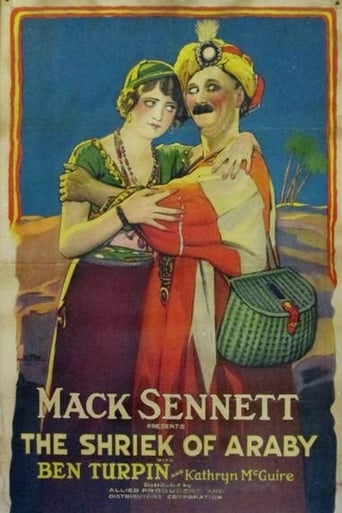
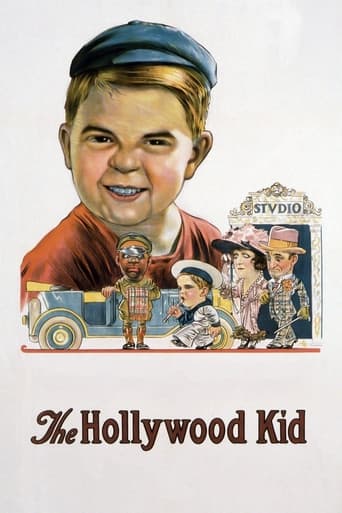
Very small-screen and early silent-era character actor: surviving record is extremely limited, but he is documented in contemporary filmographies as appearing in at least two mid-1920s comedy features, The Shriek of Araby (1923) and The Hollywood Kid (1924). Because the historical record on him is sparse, he is best understood as part of the large group of working performers who filled supporting, comic, and incidental roles during the silent era rather than as a major star. His screen work places him in the world of short-feature and feature-length studio comedy during the transition from the late silent period to the early years of American film production. No reliable surviving biographical documentation has been located for his birthplace, family background, education, or later life, which suggests he either left the film industry early or worked in productions that were not heavily chronicled. Even so, his credited presence in these films confirms that he contributed to the bustling ensemble culture that helped define silent-era Hollywood. In database terms, Ray Grey is significant as a documented working actor from the period rather than as a widely publicized celebrity. Further archival research in studio records, trade publications, and surviving press material would be required to reconstruct a fuller personal biography.
The Craft
On Screen
No detailed contemporary description of Ray Grey's acting style has survived in readily accessible reference sources. Based on the kinds of productions in which he appeared, his screen approach was likely shaped by silent-era performance conventions: expressive physicality, clear gesture, readable facial expression, and efficient comic timing. As a supporting performer in comedy-adventure films, he would likely have relied on quick visual characterization rather than dialogue-driven nuance. Without extant reviews or feature articles specifically discussing his work, any more precise description would be speculative.
Milestones
- Credited screen appearances in early 1920s silent comedy features
- Documentation in The Shriek of Araby (1923), a parody-style silent film associated with the era's comic adventure traditions
- Documentation in The Hollywood Kid (1924), placing him within early Hollywood feature production
- Participation in the ensemble character-actor ecosystem that supported silent-era studio filmmaking
- Representation of a class of lesser-documented performers whose work survives mainly through film credits and trade listings
Best Known For
Iconic Roles
Must-See Films
Why They Matter
Impact on Culture
Ray Grey does not appear to have had broad public fame or a documented cultural footprint on the level of major silent stars, but his career still reflects an important historical reality of early Hollywood: films were built not only by marquee names but also by legions of lesser-known supporting actors. Performers like Grey helped populate the comic, adventure, and urban-comedy worlds that made silent cinema vivid and commercially viable. His documented work in the early 1920s contributes to the historical record of the industry's labor force and reminds researchers that silent-era production depended on a deep bench of character players whose names are often now obscure. In this sense, his cultural value lies in his role as part of the anonymous infrastructure of classic cinema. His presence in surviving filmographies helps scholars reconstruct cast networks and studio-era production practices.
Lasting Legacy
Ray Grey's legacy is primarily archival rather than celebrity-based. He survives in film history through credits attached to two early-1920s films, which makes him part of the documented lineage of silent-era working actors whose names are preserved even when detailed biographies are not. For historians and database curators, such figures are important because they help complete cast lists, identify production patterns, and map the often-overlooked labor behind early Hollywood filmmaking. His career illustrates how many performers contributed to classic cinema without leaving extensive publicity trails or long-term fame. As a result, his lasting legacy is the preservation of his name within the silent-film record and the broader historical memory of the industry.
Who They Inspired
There is no evidence that Ray Grey exercised direct influence as a major star, coach, or mentor to later performers. His influence, if any, would have been indirect and structural, as part of the huge body of support players whose work established conventions of screen presence, comic reaction, and ensemble storytelling in silent cinema. Actors in his category helped define the texture of early Hollywood productions by making even brief appearances legible and entertaining. That collective contribution influenced later studio-era casting practices and the development of the character-actor tradition. Because documentation is sparse, any stronger claim would be unsupported.
Off Screen
No reliable personal-life record has been established for Ray Grey in the surviving sources typically consulted for early film personalities. His marriages, children, residence, later occupation, and date of death are not presently documented in the available reference trail. This lack of personal detail is common for minor or lightly credited performers from the silent era, especially those who did not transition into major studio stardom or remain in public life. Additional information may exist in census records, city directories, studio employment files, or local newspaper archives, but it is not confirmed here.
Did You Know?
- Ray Grey is documented in only a very small number of surviving film credits, which makes him difficult to research in standard reference sources.
- His known filmography places him in the silent-comedy world of the early 1920s.
- The Shriek of Araby (1923) and The Hollywood Kid (1924) are the key surviving titles associated with his name.
- He appears to have worked during a brief window of activity, at least as far as surviving film records show.
- No authoritative birth, death, marriage, or family details are readily confirmed in accessible film-history references.
- He is an example of the many lesser-known working actors whose contributions are visible in cast lists but not in star biographies.
- Because of the commonality of the name, careful archival verification is important to avoid confusion with unrelated people of similar names.
- His career underscores how much of silent-film labor history remains only partially documented.
Frequently Asked Questions
Who was Ray Grey?
Little-documented silent-era with credits in this catalog. He appears to have been a supporting performer rather than a major star, and most of his personal history has not survived in widely accessible reference sources.
What films is Ray Grey best known for?
Titles linked here include The Shriek of Araby (1923), The Hollywood Kid (1924).
When was Ray Grey born and when did he die?
His birth and death dates are not currently verified in the available historical record. Likewise, his birthplace and death place remain unconfirmed in accessible sources.
What awards did Ray Grey win?
No awards or major nominations are currently documented for Ray Grey. He appears in the historical record primarily through film credits rather than awards coverage.
What was Ray Grey's acting style?
There is no surviving detailed critical description of his performances. Given the silent-era comedy features in which he appeared, his work likely relied on physical expressiveness, clear gesture, and quick visual characterization.
What is Ray Grey's legacy in film history?
His legacy is archival: he is part of the preserved cast history of silent-era Hollywood. Even though he was not a major star, his credit record helps historians reconstruct the working ensemble system that supported classic cinema.