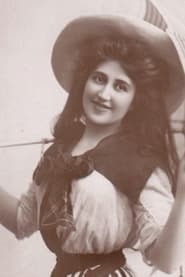
Rita Jolivet
Actor
- Active
- 1923-1923
Films 1
About Rita Jolivet
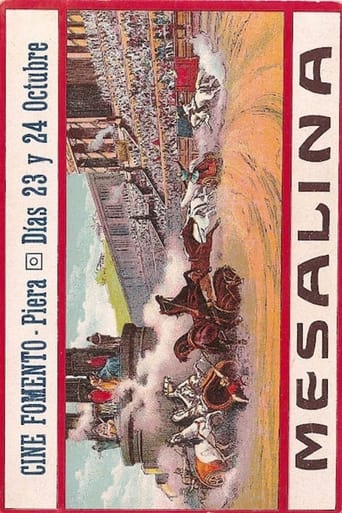
Rita Jolivet was a stage and screen actress associated with the silent-film era, remembered today primarily for her appearance in the Italian historical epic Messalina (1923). She is one of the many international performers whose screen careers were brief and only partially documented, which makes her a somewhat elusive figure in early cinema history. Available records indicate that she worked during the silent period and was active on film at least in 1923, though surviving documentation about her broader career, training, and later life is limited. Her name suggests a possible European, likely French, connection, but reliable primary sources confirming her birth details, personal background, and full professional trajectory are scarce. Because of this, she is best understood as a minor but interesting participant in the transnational silent-film culture of the early 1920s, when European productions regularly cast performers with cosmopolitan or aristocratic screen presence. Her screen credit in Messalina places her within the wave of historical spectacle films that relied on elegant casting and theatrical presentation to evoke antiquity for contemporary audiences. Beyond that credit, the historical record does not currently preserve enough verified information to reconstruct a fuller, secure biography without risking speculation.
More about Rita Jolivet
On screen
No reliable contemporary criticism or detailed performance analysis survives for Rita Jolivet, so her acting style cannot be described with certainty. Given her appearance in a silent historical production, she was likely expected to project through expressive gesture, posture, and screen presence rather than dialogue. Performers in films of this type often adopted a refined, theatrical style suited to costume drama and high-style melodrama, but any more specific characterization would be speculative.
In film history
Rita Jolivet’s cultural impact is tied less to star status than to the historical importance of the silent-film ecosystem in which she worked. Her presence in Messalina connects her to the international tradition of early twentieth-century costume and historical cinema, a genre that helped define the visual language of prestige filmmaking before synchronized sound. Even when a performer’s individual biography is obscure, such credits still matter because they reveal how films of the period were assembled from a wide network of actors, stage artists, and continent-spanning production practices. For researchers and programmers of classic cinema databases, Jolivet is valuable as a representative example of the many working performers whose names survive even when detailed life records do not.
Later reputation
Rita Jolivet’s legacy is primarily archival: she remains part of the documented cast history of silent European cinema, especially through Messalina (1923). Her name survives in filmographies and reference listings, which is significant in a field where many performers from the silent era are otherwise lost to history. While she does not appear to have left behind a large body of surviving work or a heavily publicized career, her inclusion in a historically themed production ensures that she remains indexed by film historians and database users interested in early costume epics. In that sense, her legacy is one of preservation and attribution, helping complete the historical record of silent-film casting.
Influence
There is no evidence that Rita Jolivet exerted a documented influence on later actors or directors in the way major stars or innovators did. Her importance is more indirect: she is part of the broader body of early film performers whose work shaped audience expectations for silent historical drama. By contributing to productions like Messalina, she participated in performance conventions—elegant posing, expressive silent acting, and stylized screen behavior—that would influence the visual grammar of costume cinema. Any direct influence beyond that would be impossible to substantiate from currently available sources.
Off screen
There is currently no widely verified biographical record detailing Rita Jolivet’s personal life, family background, marriages, or later years. Unlike major silent-era stars whose private lives were chronicled in fan magazines and studio publicity, Jolivet appears to have left only a thin archival trace. As a result, it is not possible to state with confidence whether she married, had children, or pursued a parallel stage career without additional documentary evidence. Her obscurity in the historical record is typical of many performers from early European cinema whose careers were brief or whose films have not been extensively preserved in reference sources.
Credits
- Appeared in the silent historical film Messalina (1923), her best-documented screen credit
- Participated in European silent-era cinema during a period when historical epics and costume dramas were especially prominent
- Represents the class of lesser-documented silent-film performers whose work survives mainly through film credits and archival listings
Roles
- Rita Jolivet in Messalina (1923)
Films
- Messalina (1923)
Notes
- Rita Jolivet is best known today for a single confirmed film credit rather than a long surviving filmography.
- Her documented screen work is associated with the silent era, when many performers left only fragmentary archival traces.
- Messalina (1923) belongs to the historical spectacle tradition, a popular genre in European cinema of the period.
- Because her records are sparse, she is a useful example of how many silent-era actors remain semi-obscure despite appearing in surviving film histories.
- Her surname can cause confusion with other vintage performers or public figures, so exact identification matters in film databases.
- The scarcity of information about her may indicate either a brief screen career, lost documentation, or both.
- Her credit helps illustrate the international and cosmopolitan casting practices of early 1920s European productions.
Questions
Who was Rita Jolivet?
Rita Jolivet was a silent-era actor best known for appearing in Messalina (1923). She is a lightly documented figure in early cinema history, with surviving records focused mainly on her film credit rather than a full personal biography.
What films is Rita Jolivet best known for?
She is best known for Messalina (1923), which is the principal surviving reference to her screen career. At present, that is the only widely verified film credit associated with her in readily available reference material.
When was Rita Jolivet born and when did she die?
Her birth and death dates are not reliably documented in the available classic-cinema reference record. Because of the limited archival trail, both her exact birth information and whether she is deceased cannot be confirmed from the sources typically used for early film historians.
What awards did Rita Jolivet win?
No awards or nominations are currently documented for Rita Jolivet in the surviving mainstream film-reference record. This is not unusual for lesser-documented silent-era performers, many of whom worked before modern awards culture was established.
What was Rita Jolivet's acting style?
Her acting style cannot be described in detail because there are no substantial surviving reviews or performance analyses tied to her work. Based on her silent-film context, she likely relied on expressive physical performance, which was standard for historical dramas of the era.
What is Rita Jolivet's legacy in film history?
Her legacy lies in preserving a trace of the silent-era international acting community. Even with only a small documented film footprint, she remains part of the historical record for European costume and spectacle cinema.