Josef Šváb-Malostranský
Actor
- Born
- May 1, 1860, Prague, Bohemia, Austrian Empire
- Died
- July 18, 1932
- Active
- Primarily active in the 1890s-1932, with known film work in 1922
- Birth name
- Josef Šváb
Films 1
About Josef Šváb-Malostranský
Josef Šváb-Malostranský was a Czech stage and screen performer, comedian, writer, and theatrical personality associated with the early years of Czech cinema and popular entertainment. Best remembered today for his appearance in the silent film Gypsies (1922), he belonged to the generation of artists who helped establish a distinctive national film culture in Czechoslovakia after the First World War. His career was rooted primarily in the theatrical and cabaret worlds, where character work, humor, and satirical observation were central to his public identity. Rather than being a prolific film star of the Hollywood type, he is better understood as a regional cultural figure whose screen work reflects the transitional era when stage comedians and variety performers were being drawn into motion pictures. Available historical records suggest that his film career was limited and that his broader reputation came from performance, authorship, and participation in Prague's lively prewar and postwar entertainment scene. Because his surviving filmography is sparse, he is now chiefly remembered by film historians and archivists interested in early Czech silent cinema and the artists who bridged theater, popular comedy, and film.
More about Josef Šváb-Malostranský
On screen
His acting style is generally associated with stage-based character comedy rather than naturalistic screen acting. He likely relied on expressive physicality, clear comic timing, and broadly drawn character traits suited to theater and silent-film performance. In the silent era, performers like Šváb-Malostranský often brought a heightened, audience-facing approach that translated well from cabaret and stage to screen. His work would have emphasized readable gesture, facial expressiveness, and the ability to create an immediately recognizable comic persona.
In film history
Josef Šváb-Malostranský belongs to the important but often underdocumented generation of performers who carried Czech comic traditions from the stage into the first decades of cinema. His value to film history lies less in the size of his screen output than in what he represents: the migration of established theatrical personalities into silent film during the formation of national cinema. As a Prague-based performer, he was part of the cultural ecosystem that helped define a distinctly Czech comedic voice, rooted in local dialect, urban character types, and satirical observation. His film appearance in Gypsies places him among the transitional figures whose stage reputations helped lend early Czech films credibility and audience appeal.
Later reputation
His lasting legacy is primarily historical and cultural rather than tied to a large body of surviving film work. For scholars of Central European cinema, he is an example of the stage comic and writer who contributed to the creation of a national entertainment tradition before the dominance of mass studio systems. Because his known screen presence is limited, he is remembered less as a star than as a representative of Prague's comic and theatrical heritage. His name continues to appear in film databases and reference works that document the silent era, preserving his place in the chronology of Czech film history.
Influence
Šváb-Malostranský's influence can be understood through the broader comic and performance traditions he embodied rather than through a direct school of disciples. He helped normalize the presence of stage comedians and character performers in early Czech film, indirectly influencing the casting and performance culture of the region's silent cinema. Later Czech screen comedy inherited many of the expressive techniques and local character types that performers of his generation made familiar to audiences. His work helped establish the idea that nationally rooted humor could succeed on film as well as on stage.
Off screen
Josef Šváb-Malostranský was born in Prague and lived through the major political and cultural changes that transformed Bohemia from the Austro-Hungarian period into the Czechoslovak era. He used the surname Malostranský as a stage name associated with Prague's Malá Strana district, linking his public identity to the city that shaped his career. Historical sources available in standard film references do not provide extensive surviving documentation about his marriages, children, or private family life. As with many early cinema personalities from Central Europe, much of his personal biography is less documented than his professional activity in theater and popular performance.
Education
No reliable detailed record of formal education is commonly cited in standard film references; his career appears to have developed through stage and popular performance rather than documented academic training.
Credits
- Established himself in Prague's theatrical and cabaret culture as a popular comic performer and writer.
- Helped shape Czech popular entertainment at a time when national-language stage comedy was becoming increasingly prominent.
- Appeared in the silent film Gypsies (1922), representing the early integration of stage artists into Czech cinema.
- Built a reputation as a versatile cultural figure whose humor and character work were valued in both live performance and print.
- Became part of the historical foundation of Czech screen acting during the silent era.
Roles
- Role in Gypsies (1922)
Films
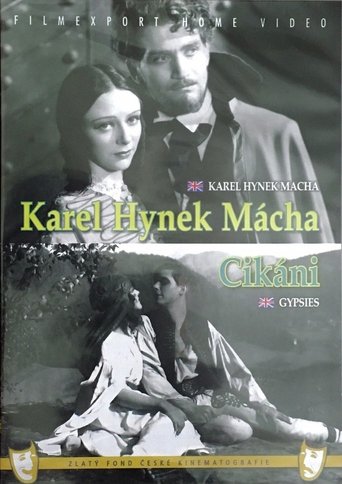
- Gypsies (1922)
Collaborators
- Early Czech theater and film performers in Prague
Studios
- Early Czech silent-film production circles
Notes
- He was born in Prague and adopted a stage surname that referenced Malá Strana, one of the city's historic districts.
- He is one of the early Czech performers remembered for moving between stage entertainment and silent film.
- His known filmography is very small, which makes him a notable archival figure rather than a widely documented screen star.
- He appeared in Gypsies (1922), one of the few screen credits commonly associated with his name.
- His career reflects the importance of cabaret and theater artists in the development of early Czech cinema.
- He worked during a period when many silent-film performers came from live comedy traditions rather than formal film training.
- He is sometimes discussed by historians in connection with Prague's popular urban culture at the turn of the 20th century.
- Standard reference sources provide limited personal-life information, which is typical for many early Central European performers.
Questions
Who was Josef Šváb-Malostranský?
Josef Šváb-Malostranský was a Czech actor, comedian, and writer associated with Prague's theatrical and popular entertainment scene. He is best remembered by film historians for his appearance in the silent film Gypsies (1922) and for representing the early crossover from stage comedy into cinema.
What films is Josef Šváb-Malostranský best known for?
He is most commonly associated with Gypsies (1922), which is the principal film credit linked to his name in standard reference sources. His screen career appears to have been limited, so his broader importance comes more from his stage work and his role in early Czech entertainment history.
When was Josef Šváb-Malostranský born and when did he die?
He was born on May 1, 1860, in Prague, Bohemia, then part of the Austrian Empire. He died on July 18, 1932, in the early Czechoslovak period.
What awards did Josef Šváb-Malostranský win?
No major awards or formal honors are widely documented for him in standard film references. Like many early silent-era Czech performers, his recognition was primarily cultural and historical rather than award-based.
What was Josef Šváb-Malostranský's acting style?
His style is best understood as stage-derived comic acting, emphasizing expressive gesture, character detail, and clear physical timing. That approach suited silent cinema well and likely made him effective in roles that relied on visual humor and recognizable character types.
What is Josef Šváb-Malostranský's legacy?
His legacy lies in his place among the early performers who helped shape Czech popular culture and silent film. He is remembered as a transitional figure linking theater, cabaret, and cinema in Prague during a formative period for national filmmaking.