August Falck
Actor
Born: April 14, 1882 in Stockholm, Sweden Died: October 22, 1938 Active: 1900s-1938 (theater), 1917 (film)
Films
1 film
About August Falck
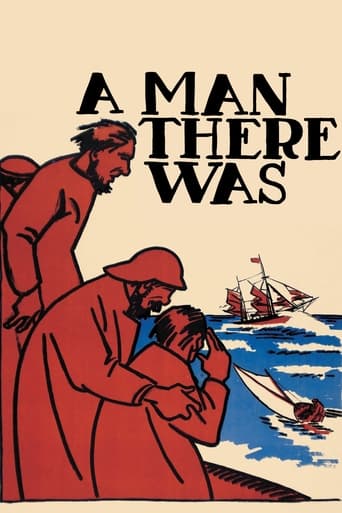
Swedish actor primarily known for his work in theater during the early 20th century, with a brief but notable foray into silent cinema. Born in Stockholm in 1882, he became deeply involved in the Swedish theatrical scene, particularly associated with the Intimate Theater (Intima Teatern) where he worked alongside prominent figures of the era. His most significant film appearance was in Victor Sjöström's masterpiece 'A Man There Was' (Terje Vigen) in 1917, which is now considered a landmark of Swedish silent cinema. Falck's theatrical several decades, during which he established himself as a respected character actor in Stockholm's vibrant theater community. He was known for his dedication to the craft of acting and his involvement in promoting modern Swedish drama. Despite his limited filmography, his contribution to Swedish cultural life, particularly through theater, was substantial. Falck continued his theatrical work until his death in 1938, leaving behind a legacy as a dedicated performer who bridged the worlds of traditional theater and emerging cinema.
The Craft
On Screen
Known for his naturalistic and emotionally nuanced performances, Falck's acting style was characteristic of the emerging modern theatrical movement in Sweden. He brought a sense of psychological depth to his roles, moving away from the melodramatic style of 19th-century theater toward more subtle, realistic portrayals.
Milestones
- Leading role in Victor Sjöström's 'A Man There Was' (1917)
- Long-standing association with Intimate Theater in Stockholm
- Prominent figure in Swedish theatrical community
- Collaboration with influential Swedish playwrights and directors
Best Known For
Iconic Roles
Must-See Films
Accolades
Special Recognition
- Recognized as a significant contributor to Swedish theater culture
Working Relationships
Worked Often With
Studios
Why They Matter
Impact on Culture
August Falck contributed to the rich cultural landscape of early 20th-century Sweden through his dedication to theater and his participation in. His work in 'A Man There Was' helped establish Sweden's reputation for producing high-quality, artistically significant cinema during the silent era. As a theater actor, he was part of the movement that brought modern, realistic drama to Swedish audiences, helping to transform the country's theatrical traditions.
Lasting Legacy
While primarily remembered for his theatrical work, August Falck's legacy includes his contribution to Swedish silent cinema through his role in 'A Man There Was,' a film that continues to be studied and appreciated by film historians. He represents the generation of actors who successfully bridged the gap between traditional theater and the emerging medium of cinema. His dedication to the craft of acting and his involvement in Sweden's cultural renaissance during the early 20th century make him an important figure in Swedish cultural history.
Who They Inspired
Falck influenced younger Swedish actors through his work in the theater, particularly his commitment to realistic, emotionally honest performances. His transition from stage to screen, though brief, demonstrated the possibilities for theater actors to adapt their skills to the new medium of cinema. His work in 'A Man There Was' helped establish a standard of performance quality in Swedish silent films that influenced subsequent generations of Swedish actors.
Off Screen
August Falck was deeply embedded in Stockholm's cultural and artistic circles throughout his life. He was known for his dedication to the theatrical arts and maintained a reputation as a serious, committed actor. His personal life was largely private, but he was respected among his peers for his professionalism and artistic integrity. Falck never married and devoted his life primarily to his theatrical career.
Education
Educated in Stockholm with specialized training in dramatic arts, though specific details about his formal education are not well documented in historical records.
Did You Know?
- Despite having only one major film credit, 'A Man There Was' is considered one of the greatest Swedish silent films ever made
- The film he appeared in was based on a poem by Norwegian playwright Henrik Ibsen
- Director Victor Sjöström later became a prominent director in Hollywood
- Falck was primarily a stage actor who only briefly ventured into cinema
- The Intimate Theater where Falck often performed was founded by August Strindberg
- Swedish silent cinema of this period was highly influential internationally
- Falck's film was released the same year as the Russian Revolution
- The film's original Swedish title 'Terje Vigen' refers to the main character's name
- Swedish silent films from this era were known for their technical innovation and artistic quality
- Falck's brief film career coincided with what many consider the golden age of Swedish silent cinema
In Their Own Words
While specific quotes from August Falck are not well documented in historical records, his performances were noted for their emotional authenticity and dramatic intensity.
Frequently Asked Questions
Who was August Falck?
Swedish with credits in this catalog. He was an important figure in Stockholm's theatrical community and contributed to Sweden's cultural landscape during a period of significant artistic development.
What films is August Falck best known for?
Titles linked here include A Man There Was (Terje Vigen, 1917).
When was August Falck born and when did he die?
Born April 14, 1882; died October 22, 1938.
What awards did August Falck win?
There are no documented major awards or nominations for August Falck, which was common for actors of his era, particularly those primarily working in theater. His recognition came primarily through the respect he earned in the Swedish theatrical community and his participation in culturally significant works.
What was August Falck's acting style?
August Falck's acting style was characterized by naturalism and emotional depth, reflecting the modern theatrical movement in Sweden during the early 20th century. He moved away from the melodramatic traditions of 19th-century theater toward more subtle, psychologically realistic performances that emphasized emotional authenticity.