Bergliot Husberg
Actor
Born: December 14, 1887 in Christiania, Norway (now Oslo) Died: June 23, 1953 Active: 1917
Films
1 film
About Bergliot Husberg
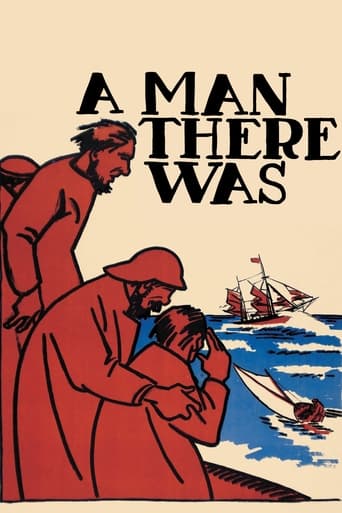
This archive lists one role for Bergliot Husberg: Terje Vigen (A Man There Was) (1917). Her entire known film career consisted of a single but significant role in Victor Sjöström's masterpiece 'Terje Vigen' (A Man There Was) in 1917, films of early Swedish cinema. Though her filmography was brief, her participation in this landmark production places her within the important circle of actors who helped establish Sweden's reputation for artistic excellence in the silent era. The film itself was based on Henrik Ibsen's poem and was for its time, featuring sophisticated cinematography and emotional depth. Husberg's role, while supporting, contributed to the film's powerful narrative about love, loss, and revenge during the Napoleonic Wars. Like many actors of this period, her career may have been limited by the nascent state of the film industry and the challenges faced by women in early cinema. Her legacy remains tied to this single but immortal work that helped put Swedish cinema on the international map.
The Craft
On Screen
As was typical of the silent era, Husberg likely employed exaggerated gestures and facial expressions to convey emotion, working within the melodramatic style that characterized early 20th century cinema. Her performance in 'Terje Vigen' would have required the ability to convey deep emotional states through physical expression alone.
Milestones
- Appeared in Victor Sjöström's acclaimed film 'Terje Vigen' (1917)
- Participated in
- Worked during the golden age of Swedish silent cinema
Best Known For
Iconic Roles
Must-See Films
Accolades
Special Recognition
- Recognized as part of the cast of one of Sweden's most important early films
Working Relationships
Worked Often With
Studios
Why They Matter
Impact on Culture
Bergliot Husberg's contribution to cinema, while limited to a single film, is part of the broader cultural impact of 'Terje Vigen,' which was instrumental in establishing Sweden as a major force in international cinema during the silent era. The film's success helped prove that Scandinavian cinema could compete artistically with productions from larger European nations and America. Her participation in this groundbreaking work represents the collaborative nature of early filmmaking, where even supporting roles contributed to the overall artistic achievement that would influence generations of filmmakers worldwide.
Lasting Legacy
Bergliot Husberg's legacy is inextricably linked to the enduring fame of 'Terje Vigen,' which continues to be studied and celebrated as a masterpiece of early cinema. While she may not have achieved individual fame, her contribution to this landmark film ensures her place in film history. The film itself has been preserved and recognized by film institutions as a crucial work in the development of cinematic art, meaning Husberg's performance, however brief, continues to be seen by new generations of film enthusiasts and scholars.
Who They Inspired
As a supporting actor in a film, Husberg's direct influence on subsequent performers is difficult to trace, but her work contributed to the artistic standards that would define Swedish cinema's golden age. The naturalistic yet emotionally powerful style of acting in 'Terje Vigen' helped move away from the more theatrical performances common in very early cinema, influencing the more subtle acting styles that would develop in the 1920s and beyond.
Off Screen
Born in Norway but worked in Swedish cinema, Bergliot Husberg was part of the Scandinavian artistic community during the early 20th century. Her life spanned a period of tremendous change in both cinema and society, from the birth of motion pictures to the advent of television. Little is documented about her personal life beyond her single film appearance, which was not uncommon for supporting actors of the silent era who often worked anonymously or left few records.
Education
No specific educational records available, though actors of her era often came from theater backgrounds or received informal training through apprenticeships in theatrical companies.
Family
- Unknown - records not available
Did You Know?
- 'Terje Vigen' was one of the first Swedish films to achieve international recognition and critical acclaim
- The film was based on a famous poem by Norwegian playwright Henrik Ibsen
- Director Victor Sjöström also played the lead role in the film
- The film's English title 'A Man There Was' is a literal translation that doesn't capture the poetic nature of the original
- The film was shot on location in the Swedish archipelago, which was innovative for its time
- Bergliot Husberg was Norwegian by birth but worked in the Swedish film industry
- The film's success helped launch the 'Golden Age' of Swedish silent cinema
- Only one print of the original film is known to survive, making it a precious artifact of early cinema
- The film's cinematography by Julius Jaenzon was particularly praised for its artistic quality
- Husberg's entire known film career consists of this single appearance
In Their Own Words
No documented quotes from Bergliot Husberg are available in historical records, which was common for supporting actors of the silent era who rarely gave interviews or had their words preserved in print.
Frequently Asked Questions
Who was Bergliot Husberg?
Screen credits include silent cinema during the 1910s. She is known for her single film appearance in Victor Sjöström's acclaimed 1917 film 'Terje Vigen' (A Man There Was),.
What films is Bergliot Husberg best known for?
Titles linked here include Terje Vigen (A Man There Was) (1917).
When was Bergliot Husberg born and when did she die?
Born December 14, 1887; died June 23, 1953.
What awards did Bergliot Husberg win?
There are no documented awards or nominations for Bergliot Husberg, which was common for supporting actors in the silent era when formal award systems were not yet established. Her recognition comes from being part of the cast of a historically significant film.
What was Bergliot Husberg's acting style?
Like actors of the silent era, Husberg likely employed the expressive physical style typical of early cinema, using gestures and facial expressions to convey emotion. Her performance in 'Terje Vigen' would have been part of the film's move toward more naturalistic acting that characterized the emerging Swedish film style.
Why is Bergliot Husberg significant in film history?
While her career was brief, Husberg is significant because she participated in 'Terje Vigen,' a film that helped establish Sweden as a major force in international cinema and influenced the development of film as an art form worldwide.
Did Bergliot Husberg work in other films?
Based on available historical records, Bergliot Husberg's only known film credit is 'Terje Vigen' from 1917. This was not uncommon for actors in early cinema, where many appeared in only one or two films before leaving the industry.