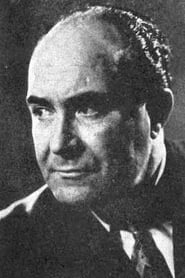
Ljubiša Jovanović
Actor
Born: June 19, 1908 in Šabac, Kingdom of Serbia Died: November 4, 1971 Active: 1946-1971
Films
1 film
About Ljubiša Jovanović
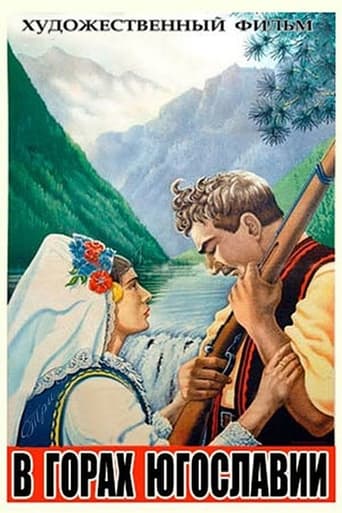
Serbian and Yugoslavian actor who rose to prominence in his generation in the Balkans. Born in Šabac in 1908, he developed his craft during the formative years of Yugoslav theater and cinema, establishing himself excelled in both classical and contemporary roles. His nearly three decades, during which he became synonymous with the Yugoslav Drama Theatre in Belgrade, where he delivered some of his most memorable performances. Jovanović's breakthrough in cinema came with his role in 'In the Mountains of Yugoslavia' (1946), one of the first major Yugoslav post-war films. Throughout the 1950s and 1960s, he continued to appear in numerous significant films, often playing complex, psychologically rich characters that showcased his remarkable range and depth. His performances were characterized by their intellectual sophistication and emotional authenticity, making him a favorite among critics and audiences alike. By the time of his death in 1971, he had on Yugoslav performing arts, influencing generations of actors who followed.
The Craft
On Screen
Jovanović was known for his intellectual and psychologically nuanced approach to acting, combining classical theatrical training with naturalistic film performance techniques. His style emphasized depth of character, subtle emotional transitions, and a commanding stage presence that translated effectively to the screen. He particularly excelled in portraying complex, morally ambiguous characters, bringing intellectual rigor and emotional authenticity to every role.
Milestones
- Breakout role in 'In the Mountains of Yugoslavia' (1946)
- Leading actor at Yugoslav Drama Theatre
- Star of 'The Magic Sword' (1950)
- Acclaimed performance in 'The Last Days' (1951)
- Leading role in 'The Big and the Small' (1956)
- Final film appearance in 'The Morning' (1967)
Best Known For
Iconic Roles
Must-See Films
Accolades
Won
- October Award of Belgrade (1961)
- Order of St. Sava
- Order of Labor with Golden Wreath
Special Recognition
- Named one of the greatest Serbian actors of the 20th century
- Theater awards named in his honor
- Streets named after him in several Serbian cities
Working Relationships
Worked Often With
Studios
Why They Matter
Impact on Culture
Ljubiša Jovanović played a pivotal role in establishing the identity of post-war Yugoslav cinema, helping to create a national film language that balanced socialist themes with artistic excellence. His performances helped legitimize Yugoslav film on the international stage, particularly at festivals in Cannes and Venice where his work was critically acclaimed. As a bridge between classical theater and modern cinema, he helped professionalize acting standards in Yugoslavia and elevate the cultural status of film actors.
Lasting Legacy
Jovanović's legacy endures through his influence on generations of Serbian and Yugoslav actors who studied his techniques and emulated his dedication to craft. The Yugoslav Drama Theatre, where he spent much of his career, continues to honor his memory with annual performances of his most famous roles. Film historians consider him instrumental in developing the distinctive style of Yugoslav cinema that emerged in the 1950s and 1960s.
Who They Inspired
His methodical approach to character development and his ability to seamlessly transition between theater and film influenced subsequent generations of Yugoslav actors. Many prominent Serbian actors have cited him as a major influence on their work, particularly his ability to bring intellectual depth to popular entertainment without sacrificing accessibility.
Off Screen
Jovanović was known as a deeply intellectual and private individual who dedicated his life to his craft. He was widely respected in theatrical circles for his professionalism and artistic integrity. Despite his fame, he maintained a relatively modest lifestyle and was known for his humility and dedication to mentoring younger actors.
Education
Graduated from the Drama Academy in Belgrade, studied under prominent theater directors of the era
Did You Know?
- Was one of the first actors to bridge the gap between pre-war and post-war Yugoslav cinema
- Spent most of his theatrical career at the prestigious Yugoslav Drama Theatre
- Known for his meticulous preparation and extensive research for each role
- Fluent in multiple languages, which helped him in international co-productions
- Despite his film success, always considered himself primarily a theater actor
- His performance in 'In the Mountains of Yugoslavia' was considered groundbreaking for Yugoslav cinema
- Mentored many young actors who later became stars in their own right
- Was known for refusing roles he considered artistically compromised
- His death in 1971 was mourned as a significant loss to Yugoslav culture
- Archives of his personal papers and scripts are preserved at the Yugoslav Drama Theatre
In Their Own Words
The theater is not a building, but a living organism that breathes with the pulse of society
Every role is a new life, and every performance is a new birth
Art must serve truth, not ideology
The actor's greatest responsibility is to the character, not to the audience's expectations
Frequently Asked Questions
Who was Ljubiša Jovanović?
Renowned Serbian and Yugoslavian with credits in this catalog. He was particularly associated with the Yugoslav Drama Theatre in Belgrade and starred in numerous classic Yugoslav films, helping to establish the national cinema's artistic reputation in the post-WWII era.
What films is Ljubiša Jovanović best known for?
Titles linked here include In the Mountains of Yugoslavia (1946), The Magic Sword (1950).
When was Ljubiša Jovanović born and when did he die?
Born June 19, 1908; died November 4, 1971.
What awards did Ljubiša Jovanović win?
Jovanović received several prestigious honors including the October Award of Belgrade in 1961, the Order of St. Sava, and the Order of Labor with Golden Wreath. He was also posthumously recognized as one of the greatest Serbian actors of the 20th century, with theaters and streets named in his honor throughout Serbia.
What was Ljubiša Jovanović's acting style?
Jovanović was known for his intellectual and psychologically nuanced acting style, combining classical theatrical training with naturalistic film techniques. He excelled at portraying complex, morally ambiguous characters with emotional authenticity and intellectual depth. His approach emphasized meticulous character development and subtle emotional transitions, making him particularly effective in both dramatic and tragic roles.