Films
1 film
About Natalino Guillaume
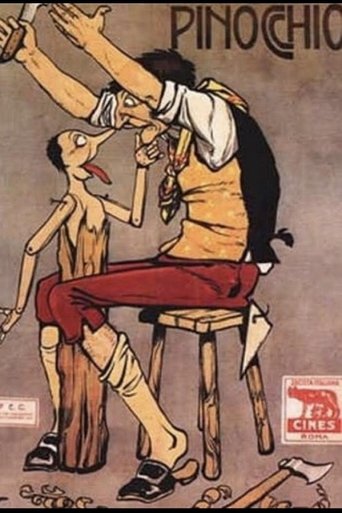
Italian actor from the silent film era, known primarily for his role in the 1911 adaptation of Pinocchio. As one of the earliest performers to bring Carlo Collodi's beloved character to life on screen, Guillaume participated in what was likely one of Italy's first feature-length narrative films. The 1911 Pinocchio was a significant technical and artistic achievement for early Italian cinema, produced during the golden period of Italian silent filmmaking. Guillaume's career appears to have been extremely brief, with his only documented film work occurring in 1911, suggesting he may have been a child actor who only participated in this one production or perhaps someone involved in the film industry for a very short period. The film itself was directed by Giulio Antamoro and was notable for its innovative special effects and elaborate sets for the time period. While little is known about Guillaume's life beyond this single film credit, his contribution to early cinema represents the efforts of actors who helped establish the foundation of narrative filmmaking during cinema's formative years.
The Craft
Milestones
- Starred in the first major film adaptation of Pinocchio (1911)
- Participated in early Italian silent cinema during its phase
- Contributed to one of the earliest feature-length narrative films produced in Italy
Best Known For
Iconic Roles
Must-See Films
Working Relationships
Worked Often With
Studios
Why They Matter
Impact on Culture
Natalino Guillaume's contribution to cinema, while brief, represents an important milestone in film history as one of the first actors to portray Pinocchio on screen. The 1911 adaptation was among the earliest feature films produced in Italy and helped establish the country as a major force in early cinema during the silent era. This work demonstrated the potential of literary adaptations and influenced subsequent versions of the Pinocchio story in film. The film's existence during this period shows how quickly filmmakers embraced classic literature as source material, setting a precedent that would continue throughout cinema history. Guillaume's performance, though lost to time like many silent films, represents the early efforts of actors establishing the craft of film performance before the development of established acting techniques for the medium.
Lasting Legacy
Natalino Guillaume's legacy is primarily tied to his role in the historic 1911 Pinocchio adaptation, making him part of cinema's generation. While the film itself is now considered lost, its historical significance as one of the earliest Pinocchio adaptations ensures Guillaume's place in film history books and early cinema databases. His work represents the nascent stages of professional acting in film, before the establishment of movie stars as cultural icons. The fact that his active years covered only 1911 reflects the transient nature of early film work, when many performers participated in single projects without pursuing long-term careers in the emerging medium. His contribution, though small in scope, is part of the foundation upon which the Italian film industry would build its international reputation in the following decades.
Who They Inspired
Due to the extremely brief nature of Natalino Guillaume's documented career and the loss of the 1911 Pinocchio film, his direct influence on subsequent actors and filmmakers cannot be definitively traced. However, as an early participant in literary adaptations, his work contributed to the precedent of bringing classic children's literature to the screen, a tradition that would continue with countless future adaptations of Pinocchio and other beloved stories. The 1911 film itself demonstrated the commercial and artistic viability of such adaptations, influencing producers and directors to pursue similar projects in subsequent years. While Guillaume himself may not have directly mentored or influenced others, his participation in this groundbreaking work was part of the collective effort that established conventions for literary adaptation in cinema that would influence filmmakers for generations to come.
Off Screen
Very little is documented about Natalino Guillaume's personal life, as was common for many early film actors whose careers were brief and occurred before systematic record-keeping in the film industry. Given his appearance in only one film in 1911, he may have been a child actor who did not pursue acting as a long-term career, or possibly someone involved in the film industry for a very limited period during the early days of Italian cinema.
Did You Know?
- The 1911 Pinocchio film in which Guillaume starred is now considered a lost film
- This was one of the earliest feature-length narrative films produced in Italy
- The film was produced by Film d'Arte Italiana, one of Italy's first major film production companies
- Giulio Antamoro, the director of the film, was a figure in early Italian cinema
- The 1911 Pinocchio preceded Walt Disney's famous animated version by nearly 30 years
- Early Italian cinema was among the most technically advanced in the world during this period
- The film likely used innovative special effects for its time to portray Pinocchio's transformation
- Guillaume's entire documented film career consists of this single production from 1911
- The film was part of Italy's golden age of silent cinema before World War I
- Like many early films, the original print of Pinocchio (1911) has been lost to time and deterioration
Frequently Asked Questions
Who was Natalino Guillaume?
Italian with credits in this catalog. His career appears to have been extremely brief, with his only documented film work occurring in that single year, making him a fascinating figure from cinema's period.
What films is Natalino Guillaume best known for?
Titles linked here include Pinocchio (1911).
When was Natalino Guillaume born and when did he die?
Unfortunately, specific birth and death dates for Natalino Guillaume are not documented in historical records, which was common for many early film actors whose careers were brief and occurred before systematic record-keeping in the film industry. We know he was active in 1911 and was of Italian nationality.
What awards did Natalino Guillaume win?
Natalino Guillaume did not receive any documented awards or honors for his work, which was typical for actors during the very early period of cinema (1911) before the establishment of formal award systems in the film industry. The Academy Awards would not be established until 1929, nearly two decades after his only known film appearance.
What was Natalino Guillaume's acting style?
While specific details about Natalino Guillaume's acting style cannot be determined due to the loss of the 1911 Pinocchio film, actors of this period typically employed exaggerated gestures and facial expressions suitable for silent film performance. His role as Pinocchio would have required physical expressiveness to convey the character's famous transformations and emotions without dialogue.