Mrs. George W. Walters
Actor
Born: c. 1835 in England Died: February 21, 1916 Active: 1910-1916 Birth Name: Mary Stanton
Films
1 film
About Mrs. George W. Walters
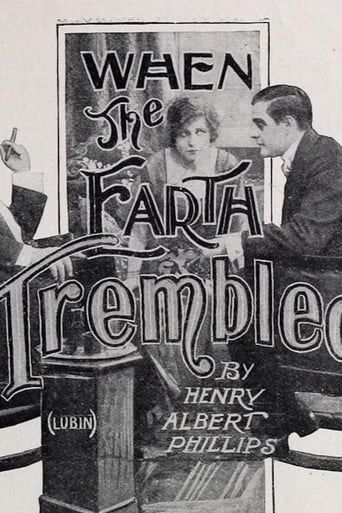
Mrs. George W. Walters, born Mary Stanton in England around 1835, was a character actress of the early silent film era, often referred to as the 'grande dame' of the Lubin Manufacturing Company. Before her transition to the screen, she enjoyed a prolific stage career that began at the Theatre Royal in Glasgow, Scotland, where she performed opposite the Sir Henry Irving. Alongside her husband, George W. Walters, she managed the Walters Comedy Company, which toured extensively throughout the American South and West. She entered the film industry around 1910 with the Thanhouser Company, specializing in 'old lady' roles that garnered her significant critical acclaim for their emotional depth and realism. By 1912, she had moved to the Lubin studio in Philadelphia, becoming a staple of their stock company and a frequent collaborator of director Barry O'Neil, who was also her son-in-law. Her performance in the 1913 disaster epic 'When the Earth Trembled' remains one of her most notable contributions to early cinema history.
The Craft
On Screen
Walters was celebrated for her ability to bring dignity and 'benignant' warmth to elderly roles. Unlike many of her contemporaries who relied on exaggerated pantomime, she was noted for a more naturalistic and 'perfect' impersonation of character, whether playing a haughty aristocrat or a poor factory worker. Critics of the time praised her attention to detail in dress and makeup, which enhanced the authenticity of her performances.
Milestones
- Began stage career at the Theatre Royal in Glasgow opposite Sir Henry Irving.
- Co-managed and starred in the Walters Comedy Company with her husband.
- Became a leading character player for the Thanhouser Company in 1910.
- Recognized as the 'Grande Dame' of the Lubin Manufacturing Company starting in 1912.
- Featured in 'When the Earth Trembled' (1913), one of the first films to depict the 1906 San Francisco earthquake.
- Acclaimed for her portrayal of the Nurse in the 1912 Lubin production of 'Romeo and Juliet'.
Best Known For
Iconic Roles
Must-See Films
Accolades
Special Recognition
- Referred to as the 'Grande Dame' of the Lubin Company in contemporary trade journals.
- Subject of a dedicated fan letter published in 'The Moving Picture News' (1910) titled 'The Old Lady of the Thanhouser Company'.
Working Relationships
Worked Often With
Studios
Why They Matter
Impact on Culture
Pioneer of the 'character with credits in this catalog. At a time when the industry was focused on young 'matinee idols,' she proved that there was a significant audience demand for mature, skilled performers who could provide emotional weight to a story. Her presence helped elevate the prestige of the Lubin and Thanhouser studios, bridging the gap between the classical stage and the emerging medium of film.
Lasting Legacy
Her legacy resides in her contribution to the transition of acting styles from the 19th-century stage to the silent screen. As one of the earliest recognized 'character specialists,' she set a standard for the 'venerable matriarch' role that would become a staple of Hollywood storytelling. Though many of her films are now lost, contemporary accounts preserve her reputation as.
Who They Inspired
She influenced the early development of the film stock company system, demonstrating how a reliable and versatile character actor could become a 'brand' for a studio. Her naturalistic approach to playing elderly characters served as a model for subsequent silent era character actresses.
Off Screen
She was the widow of George W. Walters, a prominent stage actor and manager. Her daughter, Nellie Walters, was also involved in the industry and was married to the well-known Lubin director Barry O'Neil. Walters was described by colleagues as motherly and enthusiastic, maintaining a gentle demeanor that made her a beloved figure among her fellow players.
Education
Trained in the British theatrical tradition, beginning her professional work at the Theatre Royal in Glasgow.
Family
- George W. Walters (died prior to 1910)
Did You Know?
- She was already in her 70s when she began her film career.
- She was often credited simply as 'Mrs. George W. Walters' to honor her late husband's professional reputation.
- In the 1912 production of 'Romeo and Juliet,' her performance as the Nurse was considered by critics to be more convincing than the lead actors.
- She was born Mary Stanton but adopted her husband's name for all professional engagements.
- She was a contract player for Siegmund Lubin's 'Lubinville' studio in Philadelphia.
- A 1913 article in the 'Toledo News Bee' listed 'The One Horse Shay' and 'The Village Blacksmith' as her personal favorite roles.
In Their Own Words
I am quite old enough to be somebody's grandmother. (Context: Her response to fans asking about her age in 1910.)
Frequently Asked Questions
Who was Mrs. George W. Walters?
Prominent English-born character actress of the silent film era, best known as the 'grande dame' of the Lubin Manufacturing Company. She specialized in playing elderly women and matriarchs with a level of realism and dignity that was rare for the time.
What films is Mrs. George W. Walters best known for?
Titles linked here include When the Earth Trembled (1913), Romeo and Juliet (1912).
When was Mrs. George W. Walters born and when did she die?
Born c. 1835; died February 21, 1916.
What was her acting style?
Walters was known for a naturalistic acting style that avoided the over-the-top gestures common in early silent films. She was praised for her 'perfect' impersonations and her ability to convey deep motherly warmth or stern authority through subtle facial expressions.
Was she related to any other film personalities?
Yes, she was the mother-in-law of the prolific silent film director Barry O'Neil, who directed many of the films she appeared in at the Lubin and Thanhouser studios.