
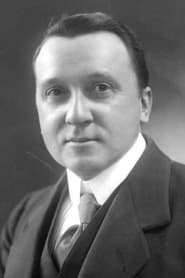
Aage Hertel
Actor
Born: October 17, 1873 in Copenhagen, Denmark Died: January 3, 1944 Active: 1911-1919
Films
6 films
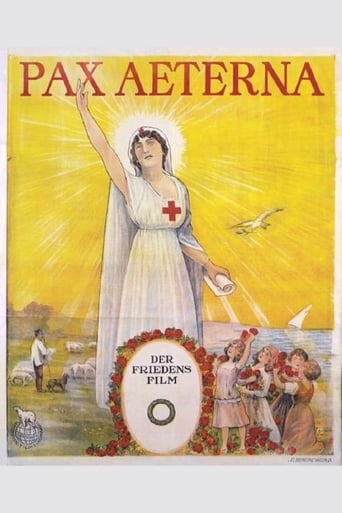
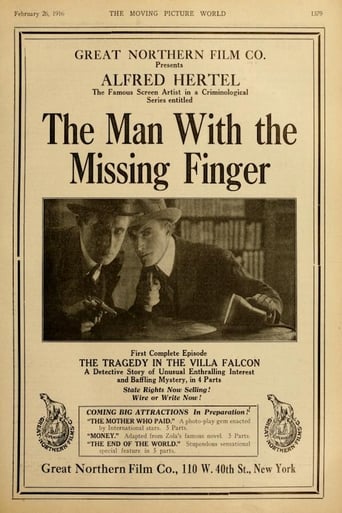

About Aage Hertel
Made significant contributions to the early years of Scandinavian cinema during the silent era. Born in Copenhagen in 1873, he emerged as a prominent character actor during the golden age of Danish silent films, working primarily with Nordisk Film, one of Denmark's most influential early production companies. His the crucial developmental years of cinema from 1911 to 1919, during which he appeared in numerous films that helped establish Danish cinema's international reputation. Hertel was particularly active during World War I, a period when Danish cinema experienced remarkable growth due to the country's neutrality. His performances often reflected the dramatic and theatrical style common in early silent films, characterized by exaggerated gestures and facial expressions necessary to convey emotion without dialogue. Following his acting career, he remained connected to the Danish film industry until his death in 1944, having witnessed the transition from silent films to talkies. His body of work represents an important chapter in the history of early European cinema and the development of film as an art form.
The Craft
On Screen
Hertel embodied the theatrical acting style typical of the silent era, utilizing broad gestures and expressive facial techniques to convey emotion and narrative without dialogue. His performances reflected the influence of stage acting on early cinema, with deliberate movements and exaggerated expressions designed to be clearly understood by audiences. Like many actors of his generation, he adapted his craft to the limitations and possibilities of the new medium, helping establish the visual language of film acting.
Milestones
- Early Danish cinema pioneer
- Key performer during Danish silent film golden age
- Collaborator with Nordisk Film studio
- Actor during World War I cinema boom
- Contributor to early international Danish film exports
Best Known For
Iconic Roles
Must-See Films
Accolades
Special Recognition
- Recognized as early Danish cinema pioneer
- Noted contributor to Nordisk Film's early success
Working Relationships
Worked Often With
Studios
Why They Matter
Impact on Culture
Aage Hertel contributed to the establishment of Danish cinema as one of Europe's most innovative film industries during the silent era. His work helped demonstrate Denmark's ability to produce compelling films that could compete internationally, particularly during World War I when Danish films filled the void left by disrupted production in other European countries. The films he appeared in were part of the Danish film export boom that made Scandinavian cinema influential worldwide in the 1910s. His performances, while typical of the era's theatrical style, helped establish acting conventions that would evolve as cinema matured as an art form.
Lasting Legacy
Aage Hertel's legacy lies in his role as one of the foundational actors of Danish cinema, contributing to the industry's early international success during a crucial period of film history. His filmography represents a slice of the golden age of Danish silent films, a period when Denmark was among the world's leading film-producing nations. While his name may not be widely recognized today, his work is preserved as part of the important historical record of early European cinema. His career spans the transitional period when cinema evolved from novelty to art form, making him a witness to and participant in cinema's most formative years.
Who They Inspired
As an early film actor, Hertel was part of the generation that established the basic techniques of screen acting, influencing subsequent Danish actors who would build upon the foundations laid by pioneers like himself. His work with Nordisk Film contributed to the studio's reputation for quality productions, which in turn helped establish standards for the Danish film industry. While direct evidence of his mentorship of other actors is scarce, his performances served as examples for the next generation of Danish film actors transitioning from stage to screen.
Off Screen
Aage Hertel lived his entire life in Copenhagen, Denmark, witnessing the dramatic transformation of cinema from its infancy to the sound era. He was part of the first generation of professional film actors in Denmark, transitioning from theatrical traditions to the new medium of motion pictures. His life spanned two world wars and the complete evolution of film technology. Details about his family life and personal relationships remain largely undocumented, as was common for many early film actors whose private lives were not extensively recorded.
Did You Know?
- Born during the same decade as the invention of motion pictures
- Career coincided with the golden age of Danish silent cinema
- Worked during World War I when Danish cinema experienced unprecedented international success
- Part of Nordisk Film's early roster of contract actors
- His film career ended just as sound cinema was emerging
- Lived to see the complete transformation of the film industry from silent to sound era
- Copenhagen remained his home throughout his entire life
- His active years spanned less than a decade but covered a crucial period in film history
- Danish films of his era were known for their technical innovation and artistic ambition
- His death occurred during the German occupation of Denmark in World War II
Frequently Asked Questions
Who was Aage Hertel?
Danish silent film with credits in this catalog. He worked primarily with Nordisk Film and was part of the golden age of Danish silent cinema, contributing to the industry's international success during World War I.
What films is Aage Hertel best known for?
Titles linked here include The Price of Beauty (1911), The Man with the Missing Finger (1915).
When was Aage Hertel born and when did he die?
Born October 17, 1873; died January 3, 1944.
What awards did Aage Hertel win?
There are no recorded awards or formal recognitions for Aage Hertel, which was common for actors during the early silent film era when formal award systems had not yet been established in the film industry.
What was Aage Hertel's acting style?
Hertel employed the theatrical acting style typical of silent era cinema, using exaggerated gestures and expressive facial techniques to convey emotion without dialogue. His performance style reflected the transition from stage acting to the new medium of film, helping establish early screen acting conventions.