Films
4 films
About Erik Holberg
Silent film actor who had a brief but notable career during the mid-1910s, appearing in several European productions between 1915 and 1917. His work spanned the crucial transitional period in cinema when feature films were becoming the industry standard and storytelling techniques were becoming more sophisticated. Holberg appeared in dramatic roles that reflected the turbulent times of World War I era Europe, with films often carrying patriotic or social themes. His performances in 'The Man with the Missing Finger' (1915) and 'The End of the World' (1916) showcased the dramatic intensity typical of silent era acting. Despite his promising start in the industry, Holberg's film career was remarkably brief, lasting only three years before disappearing from the cinematic landscape entirely. Like many actors of his era, much of his personal history and career details have been lost to time, leaving only his film performances as testament to his contribution to early cinema.
The Craft
On Screen
Typical of the silent era, Holberg employed exaggerated gestures and facial expressions to convey emotion, as was standard practice before the advent of synchronized sound. His dramatic performances likely emphasized broad physical movements and intense facial expressions to communicate character motivations and emotional states to audiences.
Milestones
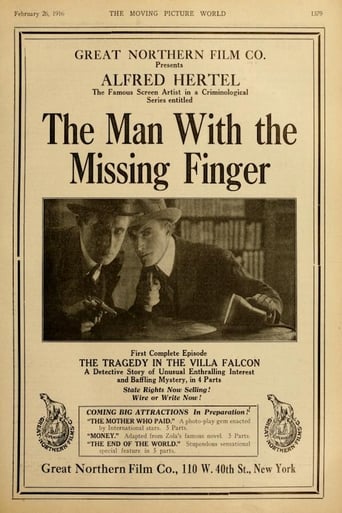
- Debut in 'The Man with the Missing Finger' (1915)
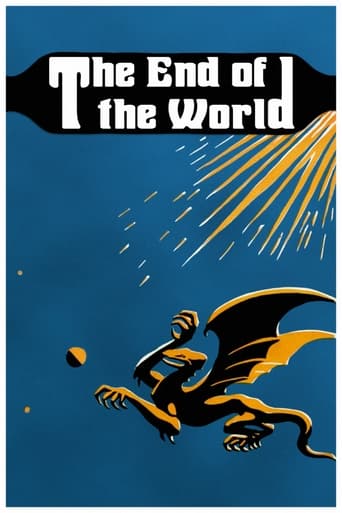
- Starred in apocalyptic drama 'The End of the World' (1916)
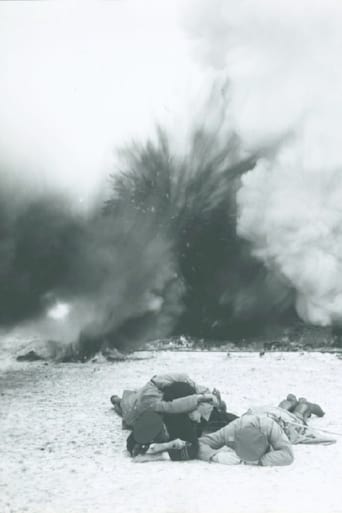
- Appeared in wartime drama 'In Defense of the Nation' (1916)
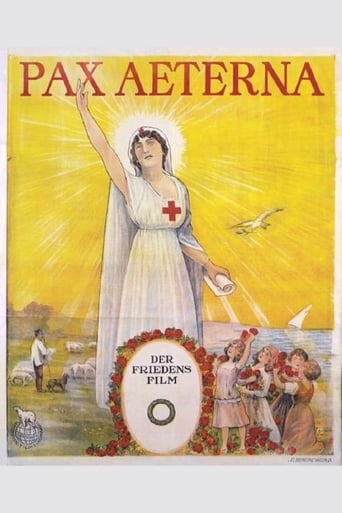
- Final film appearance in 'Peace on Earth' (1917)
Best Known For
Iconic Roles
Must-See Films
Why They Matter
Impact on Culture
Erik Holberg represents the thousands of actors who contributed to the foundation of cinema during its formative years but whose names have largely faded from historical memory. His work in films dealing with themes of war, apocalypse, and patriotism reflects the cultural anxieties of World War I-era Europe and how cinema served as both entertainment and social commentary during turbulent times. Though his individual impact may have been modest, collectively, actors like Holberg helped establish the dramatic conventions and storytelling techniques that would define cinema for decades to come.
Lasting Legacy
Erik Holberg's legacy exists primarily through his surviving film work, which serves as a valuable artifact of early 20th century European cinema. His brief career exemplifies the transient nature of early film stardom, where many actors appeared for only a few years before leaving the industry. His films, particularly 'The End of the World' with its apocalyptic themes, contribute to our understanding of how cinema processed and reflected the anxieties of the World War I period.
Who They Inspired
Due to the brevity of his career and the obscurity of his work, Erik Holberg's direct influence on subsequent generations of actors and filmmakers is difficult to trace. However, like all actors of his era, he participated in establishing the dramatic language of cinema that would influence future performers. His work in genre films helped pave the way for more sophisticated treatments of similar themes in later cinema.
Off Screen
Very little is known about Erik Holberg's personal life, as was common for many supporting actors of the silent era whose biographical details were not extensively documented. His brief career span suggests he may have been young during his acting period, possibly in his twenties or thirties.
Did You Know?
- Had an extremely brief career lasting only three years (1915-1917)
- Appeared in films during the height of World War I
- Worked during the transitional period when cinema was evolving from short films to feature-length productions
- Like many silent era actors, most biographical details about him have been lost to history
- His film 'The End of the World' (1916) was part of a trend of apocalyptic films made during the war years
- All of his known films were produced in Europe, suggesting he was likely a European actor
- None of his films appear to have survived in complete form, a common fate for many silent era productions
Frequently Asked Questions
Who was Erik Holberg?
Screen credits include several European productions during the World War I era. His career was notably brief, spanning only three years, but included roles in dramatic films dealing with themes of war, apocalypse, and patriotism.
What films is Erik Holberg best known for?
Titles linked here include The Man with the Missing Finger (1915), The End of the World (1916).
When was Erik Holberg born and when did he die?
Unfortunately, specific birth and death dates for Erik Holberg are not documented in available historical records. This is common for many actors from the early silent era whose biographical details were not preserved.
What awards did Erik Holberg win?
There are no recorded awards or nominations for Erik Holberg. The formal award systems for cinema, such as the Academy Awards, were not established until after his career had ended in 1917.
What was Erik Holberg's acting style?
Holberg employed the typical acting style of the silent era, characterized by exaggerated gestures and facial expressions to convey emotion without dialogue. His dramatic performances emphasized physical movement and intense expressions to communicate character motivations to silent film audiences.