
Augusta Blad
Actor
Born: January 10, 1866 in Copenhagen, Denmark Died: August 11, 1947 Active: 1911-1919 Birth Name: Augusta Marie Blad
Films
3 films
About Augusta Blad
Augusta Marie Blad — Danish actress who bridged the worlds of classical theater and early cinema during the silent era. Born in Copenhagen in 1866, she began her career on the stage at the Royal Danish Theatre in the 1880s, establishing herself as a respected character actress known for her commanding presence and emotional depth. As Danish cinema entered its golden age in the 1910s, Blad successfully transitioned to film, bringing theatrical gravitas to the new medium. Her film career, though brief, coincided with the period when Danish cinema was among the most innovative and respected in the world. She worked with prominent directors like Holger-Madsen, appearing in socially conscious dramas that showcased her ability to convey complex emotions without dialogue. After her film career ended around 1919, she returned to focus on her stage work, where she continued to perform for many more years. Blad represents the important generation of classically trained actors who helped legitimize cinema as an art form in Denmark.
The Craft
On Screen
Classical and theatrical in approach, characterized by dignified presence and emotional intensity, drawing from her extensive stage training to create compelling silent film performances that emphasized gesture and facial expression.
Milestones
- Stage debut at Royal Danish Theatre in the 1880s
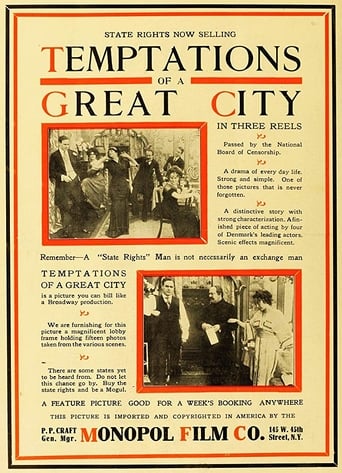
- Film debut in 'Temptations of a Great City' (1911)
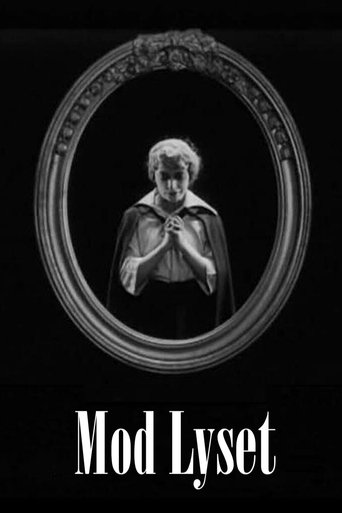
- Starred in 'Towards the Light' (1919) directed by Holger-Madsen
- Transitioned from classical theater to silent cinema
- Represented the legitimacy of film acting in Denmark's golden age of cinema
Best Known For
Iconic Roles
Must-See Films
Accolades
Special Recognition
- Recognition as a actress at the Royal Danish Theatre
- Pioneer of Danish silent cinema
Working Relationships
Worked Often With
Studios
Why They Matter
Impact on Culture
Augusta Blad played a significant role in legitimizing cinema as an art form in Denmark during the crucial transition from stage to screen. Her participation in early Danish films helped bridge the gap between respected theatrical tradition and the emerging medium of cinema, bringing artistic credibility to film acting. As an established stage actress who embraced cinema, she helped pave the way for other classical performers to explore the new medium. Her work in films like 'Towards the Light' contributed to Denmark's reputation for producing sophisticated, socially conscious cinema during the silent era, influencing the development of narrative film techniques across Europe.
Lasting Legacy
Augusta Blad's legacy lies in her contribution to the golden age of Danish cinema and her role as a bridge between classical theater and early film. She represents the important generation of performers who helped establish cinema as a legitimate art form, bringing theatrical sophistication to silent film performance. Her work is studied by film historians interested in the transition from stage to screen acting techniques and the development of early European cinema. Though her film output was limited, her performances in surviving Danish silent films continue to be appreciated for their emotional depth and technical skill.
Who They Inspired
Blad influenced subsequent generations of Danish actors by demonstrating how classical training could be adapted for the cinema screen. Her successful transition from stage to film provided a model for other theatrical performers considering careers in cinema. Her work in socially conscious Danish films helped establish a tradition of serious, artistic filmmaking in Denmark that would influence later Danish directors and actors. The dignity and emotional authenticity she brought to her film roles helped elevate the standards for screen acting in early European cinema.
Off Screen
Augusta Blad married fellow Danish actor Robert Schmidt in 1893, forming a theatrical partnership that lasted until his death in 1939. The couple was well-respected in Copenhagen's cultural circles, with both maintaining successful careers at the Royal Danish Theatre. Blad was known for her dedication to the craft of acting and her role in mentoring younger performers in both theatrical and film contexts.
Education
Classical theatrical training at institutions affiliated with the Royal Danish Theatre
Family
- Robert Schmidt (1893-1939)
Did You Know?
- One of the first established stage actresses to appear in Danish silent films
- Her film active years covered the golden age of Danish cinema (1911-1919)
- Married to fellow actor Robert Schmidt, creating a theatrical power couple
- Appeared in 'Towards the Light' (1919), one of the last major Danish silent films before the industry's decline
- Stage career at the Royal Danish Theatre spanned over four decades
- Represented the transition from 19th-century theatrical traditions to 20th-century cinema
- Her birth name was Augusta Marie Blad, but she performed professionally as Augusta Blad
- Lived through the entire transformation of cinema from novelty to art form
- Died in Copenhagen at age 81, having witnessed the birth and maturation of cinema
- Her films are now studied as examples of early Danish cinematic excellence
In Their Own Words
The stage teaches you what the camera cannot - the full range of human expression through body and soul
Cinema is not theater's enemy, but its child - we must nurture it with our experience and wisdom
In silence, the actor's face becomes the voice of the character's heart
Frequently Asked Questions
Who was Augusta Blad?
Danish actress who successfully transitioned from classical theater to silent cinema during the golden age of Danish filmmaking in the 1910s. She was known for her work at the Royal Danish Theatre and her appearances in early Danish films like 'Temptations of a Great City' and 'Towards the Light'.
What films is Augusta Blad best known for?
Titles linked here include Temptations of a Great City (1911), Towards the Light (1919).
When was Augusta Blad born and when did she die?
Born January 10, 1866; died August 11, 1947.
What awards did Augusta Blad win?
While formal film awards were not common during the silent era when Augusta Blad was active, she received recognition as a actress at the Royal Danish Theatre and is remembered as a pioneer of Danish silent cinema. Her legacy lies more in her artistic contributions than in formal accolades.
What was Augusta Blad's acting style?
Augusta Blad's acting style was classical and theatrical, characterized by dignified presence and emotional intensity. She drew from her extensive stage training to create compelling silent film performances that emphasized gesture and facial expression, bringing theatrical sophistication to early cinema.