Films
6 films
About Richard Lund
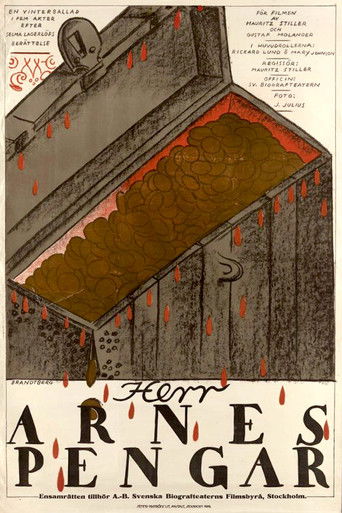
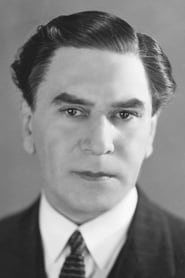
Swedish stage and film actor who emerged during the golden age of Swedish silent cinema in the early 20th century. He began his career on the theatrical stages of Stockholm before transitioning to the burgeoning film industry, where he found particular success in historical and dramatic roles. His most notable screen appearance came in 1919 when he was cast by renowned director Mauritz Stiller in the landmark Swedish silent film 'Sir Arne's Treasure' (Herr Arnes pengar), which would become Swedish films of the silent era. Lund's performance in this adaptation of Selma Lagerlöf's novel showcased his ability to convey deep emotion through the subtle techniques required by silent film acting. Despite his promising start and the critical acclaim of his work with Stiller, Lund's film career appears to have been brief and concentrated primarily around the year 1919. Like many actors of his generation, the transition to sound films in the late 1920s and early 1930s may have impacted his career trajectory. His legacy remains tied to his contribution to Swedish cinema's artistic peak during the silent era, particularly his role in helping to bring one of Sweden's most important literary adaptations to the screen.
The Craft
On Screen
Richard Lund's acting style was characteristic of the Swedish silent film tradition, emphasizing subtle facial expressions and body language to convey complex emotions. His performances were marked by a naturalistic approach that avoided the exaggerated gestures common in many silent films of the period. Working under Mauritz Stiller's direction, Lund demonstrated the ability to communicate deep psychological states through minimal movement and nuanced expression, reflecting the sophisticated artistic sensibility of Swedish cinema during its golden age.
Milestones
- Breakthrough role in Mauritz Stiller's 'Sir Arne's Treasure' (1919)
- Participation in
- Collaboration with Swedish director Mauritz Stiller
- Contribution to the adaptation of Selma Lagerlöf's celebrated novel
Best Known For
Iconic Roles
Must-See Films
Working Relationships
Worked Often With
Studios
Why They Matter
Impact on Culture
Richard Lund's contribution to cinema, though brief, is significant through his participation in 'Sir Arne's Treasure,'. This film, directed by Mauritz Stiller and based on Selma Lagerlöf's novel, represents the pinnacle of Swedish silent cinema and was instrumental in establishing Sweden's international reputation for artistic filmmaking. Lund's performance helped bring to life one of Sweden's most important literary works, contributing to the cultural preservation and popularization of Swedish literature through the medium of film. The film itself has been studied and admired by film historians for decades, ensuring that Lund's work, even in a supporting capacity, remains part of cinema's artistic heritage.
Lasting Legacy
Richard Lund's legacy is intrinsically tied to his role in 'Sir Arne's Treasure,' which continues to be celebrated as a masterpiece of silent cinema. While his filmography may be limited to primarily this one significant work, his contribution to bringing one of Sweden's most important literary adaptations to life ensures his place in film history. The film has been preserved and studied by film historians and cinema enthusiasts worldwide, meaning Lund's performance continues to be viewed and appreciated by new generations of film lovers interested in the golden age of Swedish cinema.
Who They Inspired
As an actor from the early Swedish film industry, Richard Lund was part of the generation that helped establish the artistic standards and techniques that would influence later Swedish filmmakers. His work with Mauritz Stiller placed him within the circle of innovators who would later influence international cinema, including Ingmar Bergman and other Swedish directors who built upon the foundation laid by early silent film pioneers. The naturalistic acting style he employed in 'Sir Arne's Treasure' contributed to the development of a distinctly Swedish approach to film performance that emphasized psychological depth over theatrical exaggeration.
Off Screen
Due to the limited documentation of Richard Lund's career and the passage of time, detailed information about his personal life remains scarce in historical records. As a Swedish actor from the silent era, he was part of a generation of performers whose lives were not extensively documented outside of their professional work. His brief but significant contribution to Swedish cinema during its artistic peak suggests he was part of Stockholm's cultural scene during the early 20th century.
Did You Know?
- 'Sir Arne's Treasure' was based on a novel by Selma Lagerlöf, who would later become the first woman to win the Nobel Prize in Literature
- The film was one of several collaborations between Mauritz Stiller and Selma Lagerlöf's works
- Richard Lund's film career appears to have been concentrated in the year 1919, making him a one-year wonder of Swedish cinema
- The film 'Sir Arne's Treasure' was considered lost for decades before a copy was discovered and restored
- The film's success helped establish Sweden as a major force in international cinema during the silent era
- Mauritz Stiller, who directed Lund, would later move to Hollywood and discover Greta Garbo
- The film was shot during the winter months to capture the authentic Swedish landscape and atmosphere
- Richard Lund was part of a generation of Swedish actors who successfully transitioned from stage to film during cinema's early years
Frequently Asked Questions
Who was Richard Lund?
Swedish with credits in this catalog. His career appears to have been brief but significant, centered around this landmark Swedish film.
What films is Richard Lund best known for?
Titles linked here include Sir Arne's Treasure (1919).
When was Richard Lund born and when did he die?
Born 1885; died death date not listed.
What awards did Richard Lund win?
There are no documented awards or nominations for Richard Lund, which was typical for actors during the early silent film era when formal award systems were not yet established in the film industry.
What was Richard Lund's acting style?
Richard Lund's acting style reflected the naturalistic approach of Swedish silent cinema, emphasizing subtle facial expressions and body language over exaggerated gestures. His work in 'Sir Arne's Treasure' demonstrated the sophisticated psychological depth characteristic of Swedish film acting during this period.