
Nikolai Vasilyev
Actor
Born: 1880s (exact date unknown) in Russian Empire Died: Unknown Active: 1910-1914
Films
5 films
About Nikolai Vasilyev
Prominent Russian actor during the early silent film era of the Russian Empire, active primarily between 1910 and 1914. He emerged as one of the notable performers in the burgeoning Russian film industry during its golden period before World War I and the subsequent revolution. Vasilyev worked with some of the Russian film studios of the era, including the Khanzhonkov Company, which was instrumental in developing Russian cinema. His career, though brief, spanned the period when Russian cinema was establishing its unique identity and competing with European film industries. Vasilyev demonstrated versatility by appearing in various genres, from historical dramas to literary adaptations and crime stories. His filmography reflects the diverse themes popular in early Russian cinema, including historical epics celebrating the Romanov dynasty and adaptations of Russian literature. The outbreak of World War I in 1914 likely disrupted his career, as it did for many in the Russian film industry, and little is known about his activities after this period.
The Craft
On Screen
Typical of the early Russian silent era, characterized by expressive gestures and theatrical delivery that translated well to the medium of early cinema. His style likely incorporated elements of traditional Russian theatrical acting, which was prominent during this transitional period from stage to screen.
Milestones
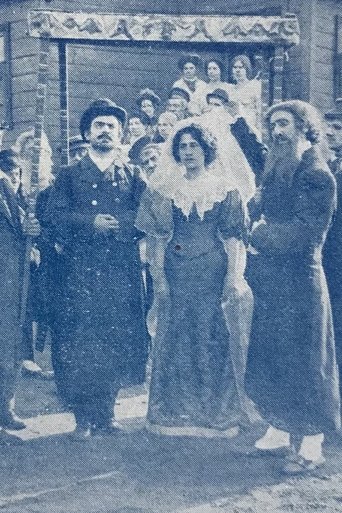
- Starred in Princess Tarakanova (1910)
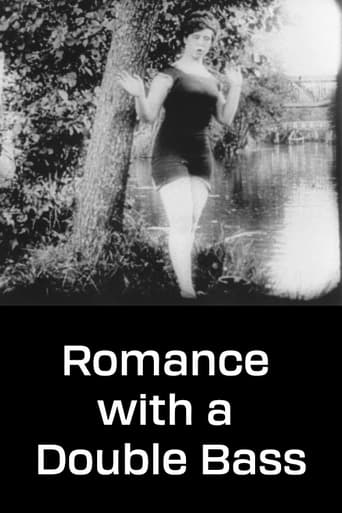
- Appeared in Romance with a Double Bass (1911)
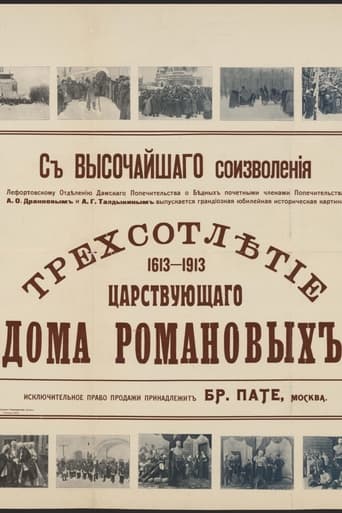
- Participated in Tercentenary of the Romanov Dynasty's Accession (1913)
- Featured in Sonka the Golden Hand (1914)
Best Known For
Iconic Roles
Must-See Films
Working Relationships
Worked Often With
Studios
Why They Matter
Impact on Culture
Nikolai Vasilyev contributed to the development of early Russian cinema during its formative years, participating in films that reflected Russian culture, history, and literature. His work in films like the Romanov tercentenary celebration represents the role cinema played in promoting Russian national identity and imperial culture during this period. The films he appeared in, particularly adaptations of Russian literature and historical subjects, helped establish a uniquely Russian cinematic tradition that would influence later Soviet and Russian filmmakers.
Lasting Legacy
While specific details about Nikolai Vasilyev's individual contributions are limited due to the passage of time and historical disruptions, his filmography represents an important chapter in the history of Russian cinema. The films he participated in are valuable artifacts of pre-revolutionary Russian culture and filmmaking. His career exemplifies the trajectory of many early Russian film actors whose work helped establish the foundation for one of the world's most influential cinematic traditions, even though many of these pioneers remain largely undocumented in modern film history.
Who They Inspired
As an early Russian film actor, Vasilyev was part of the generation that helped transition Russian theatrical traditions to the new medium of cinema. This transitional work influenced subsequent generations of Russian and Soviet actors who would build upon these early foundations of Russian film acting techniques and styles.
Off Screen
Very little is documented about Nikolai Vasilyev's personal life, which was common for many early film actors whose records were lost during the political upheavals of the early 20th century in Russia. The lack of detailed personal information reflects the challenges of documenting film history from this period, especially given the subsequent destruction of archives during the revolutionary period.
Education
Unknown, but likely had theatrical training given his acting career during this period
Did You Know?
- Active during the peak of pre-revolutionary Russian cinema
- Worked during a period when Russian film industry was among the world's most productive
- Participated in films celebrating the Romanov dynasty just years before the revolution
- His career coincided with the golden age of Russian silent film (1908-1917)
- The films he appeared in represent various popular genres of early Russian cinema
- Little documentation survives about many actors from this period due to historical upheavals
- Early Russian actors like Vasilyev often came from theatrical backgrounds
- The Russian film industry of his era was centered primarily in Moscow and St. Petersburg
In Their Own Words
No documented quotes available from this early silent film actor
Frequently Asked Questions
Who was Nikolai Vasilyev?
Russian with credits in this catalog.
What films is Nikolai Vasilyev best known for?
Titles linked here include Princess Tarakanova (1910), Romance with a Double Bass (1911).
When was Nikolai Vasilyev active in film?
Born 1880s (exact date unknown); died Unknown.
What was the Russian film industry like during Vasilyev's career?
During Vasilyev's active years, the Russian Empire had one of the world's most productive film industries, producing hundreds of films annually and developing a unique cinematic style.
Why is there limited information about Nikolai Vasilyev?
Limited documentation exists because many records from early Russian cinema were lost during the revolutionary period, World War I, and subsequent political upheavals that disrupted Russian cultural institutions.