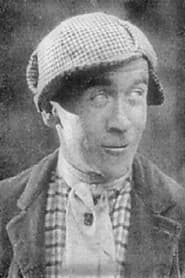
Ted McNamara
Actor
Born: December 4, 1886 in San Francisco, California, USA Died: May 8, 1935 Active: 1926-1927
Films
2 films

About Ted McNamara
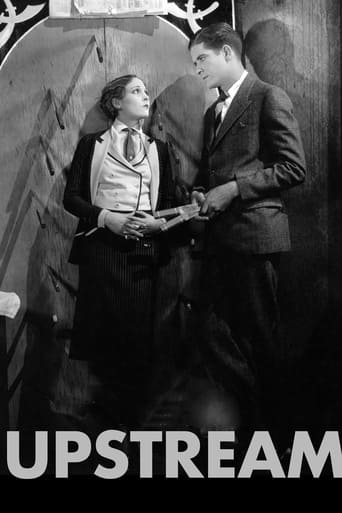
American character actor who found his niche in Hollywood during the silent film era of the mid-1920s. Though his career was relatively brief, spanning primarily from 1926 to 1927, he managed to secure roles in several notable productions that showcased his versatility as a supporting actor. His most significant work came under the direction of acclaimed filmmakers Raoul Walsh and John Ford, two directors who would later become Hollywood legends. McNamara appeared in the war comedy 'What Price Glory' (1926), which was successful films of its year and helped establish the buddy comedy genre in cinema. The following year, he worked with John Ford on 'Upstream' (1927), a film that would later be rediscovered and celebrated as an important piece of Ford's early work. McNamara's screen presence was characterized by his ability to adapt to various supporting roles, often playing soldiers, sailors, or other working-class characters that populated the ensemble casts of these films. Despite his promising start in Hollywood, McNamara's film career appears to have ended with the transition to sound, as was common for many character actors of the silent era whose voices or acting styles didn't translate well to talkies.
The Craft
On Screen
McNamara specialized in character acting with a naturalistic approach that fit well within the ensemble casts of his films. His style was typical of silent era character actors who relied on expressive physicality and facial expressions rather than dialogue. He had particular skill in portraying military personnel and working-class characters with authenticity and subtle humor.
Milestones
- Breakthrough role in 'What Price Glory' (1926)
- Part of the ensemble cast in one of 1926's biggest box office hits
- Worked with director Raoul Walsh
Best Known For
Iconic Roles
Must-See Films
Working Relationships
Worked Often With
Studios
Why They Matter
Impact on Culture
Though Ted McNamara was not a major star, his contributions to significant films of the silent era place him within the important context of 1920s Hollywood cinema. His appearance in 'What Price Glory' connected him to. The film's success was such that it was remade multiple times in subsequent decades, making McNamara part of a lasting cinematic legacy. His work with John Ford in 'Upstream' further cements his place in film history, as this movie is now recognized as an important early work by one of America's greatest directors.
Lasting Legacy
Ted McNamara's legacy is primarily preserved through his participation in two historically significant films from the silent era. While he never achieved star status, his work exemplifies the crucial role that character actors played in creating the rich ensemble casts that defined Hollywood's golden age. The rediscovery of 'Upstream' in 2009, decades after it was believed lost, has brought renewed attention to the actors who contributed to Ford's early vision, including McNamara. His career serves as a representative example of the many talented actors who populated Hollywood films during the transition from silent to sound cinema.
Who They Inspired
As a supporting actor during a brief but important period in film history, McNamara's direct influence on other performers appears limited. However, his work in ensemble films helped establish the importance of well-cast supporting characters in creating believable cinematic worlds. His performances in military-themed films contributed to the development of archetypes that would continue throughout Hollywood's history of war films.
Off Screen
Ted McNamara was born in San Francisco in 1886, growing up during a transformative period in American history. Little is publicly documented about his personal life, family relationships, or what led him to pursue acting in Hollywood. His death in 1935 at the relatively young age of 48 suggests he may have faced health challenges, though the specific circumstances are not widely recorded in film history archives.
Did You Know?
- 'What Price Glory' was so successful that it spawned a sequel and multiple remakes
- McNamara's film 'Upstream' was considered lost for over 80 years before being discovered in New Zealand in 2009
- Both of his known surviving films were directed by future Hollywood legends
- He worked during the pivotal transition period between silent films and talkies
- His entire known filmography consists of only two films from 1926-1927
- 'What Price Glory' was one of the first films to realistically portray soldiers' camaraderie and profanity
- The rediscovered print of 'Upstream' was found among a collection of neglected American films in New Zealand
- McNamara died at age 48, just eight years after his last known film appearance
Frequently Asked Questions
Who was Ted McNamara?
American character with credits in this catalog. He appeared in notable films including 'What Price Glory' and 'Upstream,' working with acclaimed directors Raoul Walsh and John Ford.
What films is Ted McNamara best known for?
Titles linked here include What Price Glory (1926), Upstream (1927).
When was Ted McNamara born and when did he die?
Born December 4, 1886; died May 8, 1935.
What awards did Ted McNamara win?
There are no recorded awards or nominations for Ted McNamara. As a character actor during the silent era, he worked in supporting roles and did not receive the major industry recognition that leading actors of his time might have achieved.
What was Ted McNamara's acting style?
McNamara specialized in character acting with a naturalistic approach typical of silent era performers. He relied on expressive physicality and facial expressions, often portraying military personnel and working-class characters with authenticity in ensemble casts.