Films
1 film
About Tsetsilia Tsutsunava
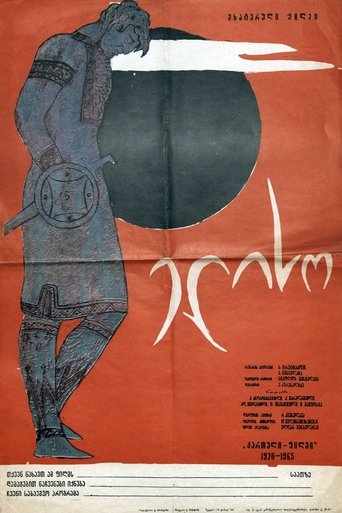
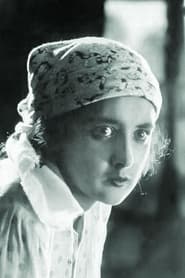
Georgian actress who emerged during the golden age of Georgian silent cinema in the late 1920s. Her career, though brief, coincided with a remarkable period of artistic flourishing in Georgian filmmaking under Soviet rule. She is primarily known for her role in the landmark 1928 film 'Eliso,' directed by Nikoloz Shengelaia, which became works of early Georgian cinema. Tsutsunava's performance in this film demonstrated the emotional depth and naturalistic style that characterized the best of Soviet silent film acting. Her portrayal reflected the cultural tensions between traditional Georgian values and Soviet modernization that were central to the film's narrative. Despite her talent and the critical success of 'Eliso,' Tsutsunava's film career appears to have been limited to this single significant work, making her a fascinating example of the many talented performers from this era whose careers were cut short by the dramatic political and social changes of the 1930s.
The Craft
On Screen
Naturalistic and emotionally expressive, characteristic of the best Soviet silent film actors who emphasized psychological depth over theatrical gestures
Milestones
- Starred in 'Eliso' (1928),
- Worked with acclaimed director Nikoloz Shengelaia
- Participated in the golden age of Georgian filmmaking in the late 1920s
Best Known For
Iconic Roles
Must-See Films
Working Relationships
Worked Often With
Studios
Why They Matter
Impact on Culture
Tsetsilia Tsutsunava's contribution to Georgian cinema, though limited to a single major film, represents the important role that women played in the flourishing of Georgian silent film culture. Her performance in 'Eliso' helped establish a template for naturalistic acting in Georgian cinema that would influence subsequent generations of performers. The film itself became a cultural touchstone, addressing themes of cultural identity, tradition versus modernity, and the Georgian experience under Soviet rule. Tsutsunava's portrayal of the titular character embodied these complex themes, making her performance an integral part of Georgia's cultural and cinematic heritage.
Lasting Legacy
Despite having only one major credited film role, Tsetsilia Tsutsunava remains an important figure in the history of Georgian cinema as the star of one of its most celebrated silent films. 'Eliso' continues to be studied and screened internationally as a masterpiece of early Soviet cinema, ensuring that Tsutsunava's performance endures as part of film history. Her work shows the rich artistic culture that existed in Georgia during the 1920s and the significant contributions of women to early cinema in the region.
Who They Inspired
While direct documentation of her influence on other actors is limited, Tsutsunava's naturalistic performance style in 'Eliso' represented the more sophisticated approach to silent film acting that was emerging in the Soviet Union during the late 1920s, moving away from the exaggerated gestures common in earlier cinema toward more psychologically nuanced performances.
Off Screen
Very little is documented about Tsetsilia Tsutsunava's personal life, which is common for many actors from this era of Georgian cinema, especially those with brief film careers.
Did You Know?
- 'Eliso' (1928) was based on a story by Georgian writer Alexander Kazbegi
- The film was directed by Nikoloz Shengelaia, one of Georgia's most important early film directors
- 'Eliso' is considered one of the masterpieces of Georgian silent cinema
- The film explored themes of love across cultural divides in the Caucasus region
- Tsutsunava's co-star in the film was Alexander Takaishvili, another prominent Georgian actor
- The film was restored in the 21st century and continues to be shown at international film festivals
- Despite the film's success, Tsutsunava does not appear to have had other major film roles
- The Georgian film industry of the 1920s was
- 'Eliso' was one of the last great Georgian silent films before the transition to sound
- The film's preservation and restoration have helped maintain Tsutsunava's legacy in cinema history
Frequently Asked Questions
Who was Tsetsilia Tsutsunava?
Georgian actress from the silent film era, best known for starring as the title character in the 1928 film 'Eliso,' which is considered one of the masterpieces of Georgian cinema.
What films is Tsetsilia Tsutsunava best known for?
Titles linked here include Eliso (1928).
When was Tsetsilia Tsutsunava born and when did she die?
Specific birth and death dates for Tsetsilia Tsutsunava are not documented in available historical records, which is common for many actors from this era of Georgian cinema.
What awards did Tsetsilia Tsutsunava win?
There are no documented awards or nominations for Tsetsilia Tsutsunava, which was typical for actors in Georgian cinema during the silent era, as formal award systems were not yet established.
What was Tsetsilia Tsutsunava's acting style?
Tsutsunava's acting style in 'Eliso' was characterized by naturalism and emotional depth, representing the more sophisticated approach to silent film acting that emerged in the late 1920s, moving away from theatrical gestures toward psychological realism.