Films
2 films
About Augusto Bandini
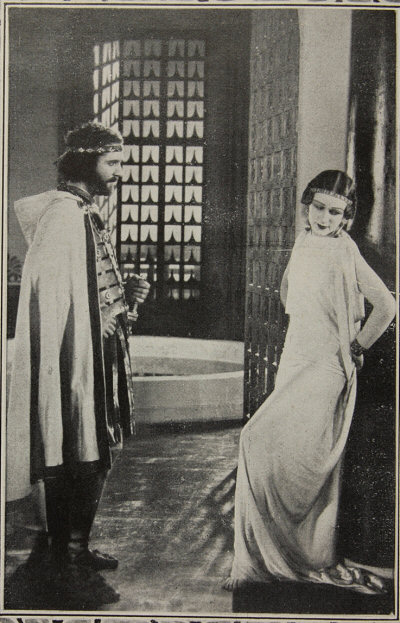
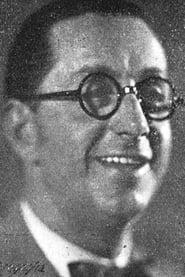
Augusto Bandini worked on one surviving credit: Judith and Holophernes (1929). ' As a performer from the transitional period between silent films and early talkies, Bandini was part of the final wave of Italian silent cinema before the industry fully embraced sound technology. His brief film career coincided with a challenging period for Italian cinema, which was struggling to maintain its international presence following World War I. Like many actors of his era, Bandini's career was likely cut short by the technological revolution that sound brought to filmmaking, as well as the economic difficulties facing the Italian film industry during this period. His single known film appearance suggests he may have been a character actor or bit player rather than a leading star. The limited documentation of his career reflects the common fate of many supporting actors from early cinema whose contributions were not extensively recorded in film histories.
The Craft
Milestones
- Appeared in 'Judith and Holophernes' (1929)
Best Known For
Iconic Roles
Must-See Films
Why They Matter
Impact on Culture
Augusto Bandini represents the countless supporting actors and performers who contributed to the silent cinema but whose names have largely faded from historical record. His appearance in 'Judith and Holophernes' places him within the tradition of Italian biblical epics, which were popular in the 1910s and 1920s. While his individual impact may be difficult to trace, performers like Bandini formed the essential foundation upon which star-driven films were built, providing the necessary depth and authenticity to ensemble casts. His career exemplifies the precarious nature of acting in early cinema, where many performers appeared in only a handful of films before disappearing from the industry.
Lasting Legacy
Augusto Bandini's legacy is primarily archival, representing the thousands of anonymous performers who populated early cinema screens. His single credited appearance serves as a reminder of the vast number of actors whose contributions to film history remain largely undocumented. While he may not have achieved lasting fame, his participation in 'Judith and Holophernes' ensures his place, however small, in the historical record of Italian silent cinema. His story illustrates the transient nature of fame in early film and the importance of preserving even the most minor contributions to cinema's development.
Who They Inspired
Due to the limited documentation of his career and the brevity of his film appearances, Augusto Bandini's specific influence on other performers or the film industry cannot be definitively traced. However, like all actors of his era, he contributed to the development of screen acting techniques during the crucial transition from theatrical to cinematic performance styles that characterized the silent period.
Off Screen
Very little is documented about Augusto Bandini's personal life, which is typical for many supporting actors from the silent era who did not achieve star status.
Did You Know?
- Appeared in only one known film during his career
- His film 'Judith and Holophernes' was produced during the final year of significant silent film production in Italy
- The biblical story of Judith and Holofernes was a popular subject for early Italian epics
- 1929 marked the beginning of the end for silent cinema in most European countries
- Many actors with brief careers like Bandini's were stage actors who occasionally appeared in films
Frequently Asked Questions
Who was Augusto Bandini?
Italian with credits in this catalog.' His career was extremely brief, spanning only the year 1929, making him one of the many obscure performers from early cinema whose lives and careers remain largely undocumented.
What films is Augusto Bandini best known for?
Titles linked here include Judith and Holophernes (1929).
When was Augusto Bandini born and when did he die?
Specific birth and death dates for Augusto Bandini are not documented in available historical records, which is common for many supporting actors from the silent era who did not achieve significant fame.
What awards did Augusto Bandini win?
There are no records of Augusto Bandini receiving any awards or nominations for his work in cinema. This is typical for most supporting actors from the silent era, particularly those with very brief careers.
What was Augusto Bandini's acting style?
Due to the limited documentation of his career and the absence of surviving detailed reviews or analyses of his performance, Augusto Bandini's specific acting style cannot be definitively determined. Like most actors of the late silent period, he likely employed the exaggerated gestures and expressions typical of the era.
Why is so little known about Augusto Bandini?
The scarcity of information about Augusto Bandini reflects the common fate of many minor actors from early cinema. Supporting performers who did not achieve star status were often poorly documented in film histories, and many records from this period have been lost or never thoroughly archived.