Films
2 films
About Borys Zahorskyi
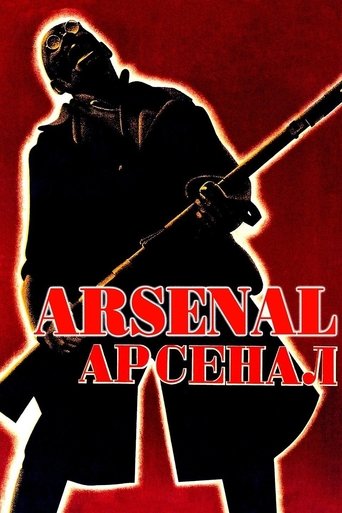
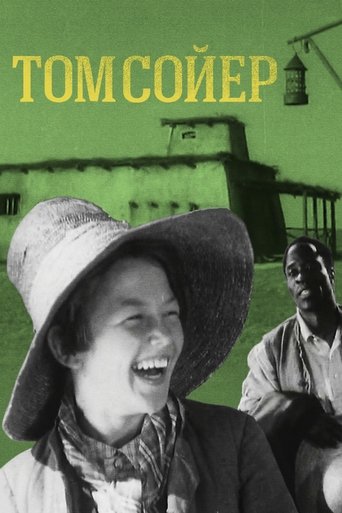
Soviet actor active during the late silent era and early sound period of Soviet cinema. He gained recognition for his roles in two significant films of the era: Alexander Dovzhenko's 'Arsenal' (1929), a powerful silent film depicting the Bolshevik uprising in Kyiv, and 'Tom Soyer' (1936), an early Soviet sound adaptation of Mark Twain's classic novel. His performance in 'Arsenal' was particularly notable as the film is considered one of the masterpieces of Soviet silent cinema and part of Dovzhenko's 'Ukrainian Trilogy' alongside 'Zvenigora' and 'Earth'. Zahorskyi's career appears to have been relatively brief but impactful, coinciding with a crucial period in Soviet film history when the industry was transitioning from silent to sound cinema. While detailed information about his broader career is limited, his involvement in these two distinct films demonstrates his versatility as an actor working across different genres and technological periods in Soviet filmmaking.
The Craft
On Screen
Based on his appearance in Soviet films of the late 1920s and 1930s, Zahorskyi likely employed the dramatic, expressive style typical of silent film actors, which was gradually adapting to the more naturalistic requirements of early sound cinema. His work in Dovzhenko's 'Arsenal' suggests he was capable of conveying complex emotions and political themes through the physical acting techniques required in silent film.
Best Known For
Iconic Roles
Must-See Films
Working Relationships
Worked Often With
Studios
Why They Matter
Impact on Culture
Borys Zahorskyi's contribution to Soviet cinema, while not extensively documented, is significant through his participation in 'Arsenal' (1929), a film that remains a cornerstone of Soviet and Ukrainian film history. The film itself had tremendous cultural impact as a powerful statement about revolutionary struggle and has been studied and analyzed by film scholars worldwide for decades. His presence in this historically important work places him within the context of a crucial period in Soviet artistic development.
Lasting Legacy
While Borys Zahorskyi may not be widely remembered individually, his legacy endures through his contribution to 'Arsenal',. The film continues to be screened at film festivals, studied in cinema courses, and preserved as an important work of world cinema. His role in this masterpiece ensures his place in film history, however small it may be.
Who They Inspired
As an actor from the early Soviet period, Zahorskyi was part of the generation that helped establish the acting techniques and styles that would influence Soviet cinema for decades. His work transitioning from silent to sound film represents the broader evolution of the art form during this pivotal era.
Off Screen
Very limited information is available about Borys Zahorskyi's personal life, which is common for many supporting actors from the early Soviet cinema period. Detailed biographical records from this era are often incomplete, especially for actors who were not among the most prominent stars of the time.
Did You Know?
- Appeared in 'Arsenal' (1929), which is considered part of Alexander Dovzhenko's acclaimed 'Ukrainian Trilogy'
- Worked during the transition period from silent to sound cinema in the Soviet Union
- 'Arsenal' was banned in some Western countries for its revolutionary themes
- The film 'Arsenal' is preserved in the archives of major film institutions worldwide
- His active years covered only 7 years according to available filmography records
- Worked during
- Participated in the early Soviet effort to adapt Western literature like Mark Twain's work
Frequently Asked Questions
Who was Borys Zahorskyi?
Soviet with credits in this catalog. He worked during a crucial transition period in Soviet cinema from silent to sound films.
What films is Borys Zahorskyi best known for?
When was Borys Zahorskyi born and when did he die?
Specific birth and death dates for Borys Zahorskyi are not readily available in historical records, which is common for many supporting actors from the early Soviet cinema period.
What awards did Borys Zahorskyi win?
There are no documented awards or nominations for Borys Zahorskyi, which was typical for many actors of his era who were not among the most prominent stars of Soviet cinema.
What was Borys Zahorskyi's acting style?
Based on his work in silent and early sound films, Zahorskyi likely employed the dramatic, expressive style typical of silent film actors, adapting to the more naturalistic requirements of early sound cinema as the medium evolved.
Did Borys Zahorskyi work with famous directors?
Yes, he worked with renowned Soviet director Alexander Dovzhenko on 'Arsenal' (1929), which is considered one of the masterpieces of Soviet silent cinema and part of Dovzhenko's famous Ukrainian Trilogy.