


Arsenal
"Kyiv workers face suppression after the Arsenal factory uprising."
Keys: Space play/pause · ←/→ 10s · F fullscreen · M mute · </> speed
About this film
A soldier returns to Kyiv after surviving a train crash and encounters clashes between nationalists and collectivists during the suppression of the Bolshevik uprising at the Arsenal factory.
Cast & crew
More films like this
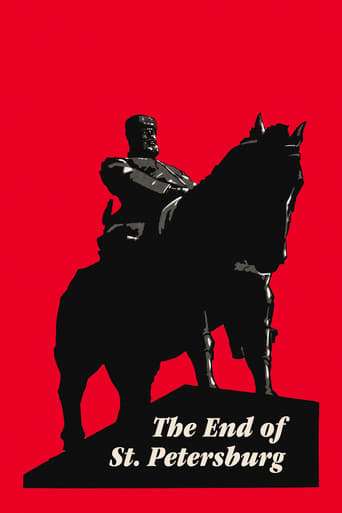
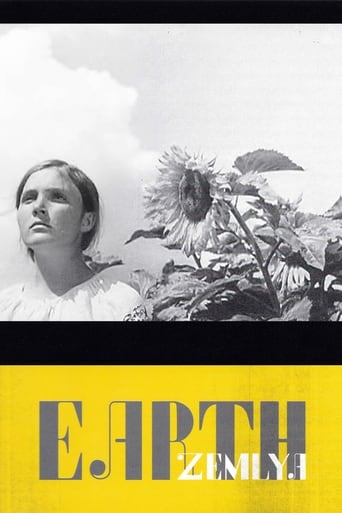
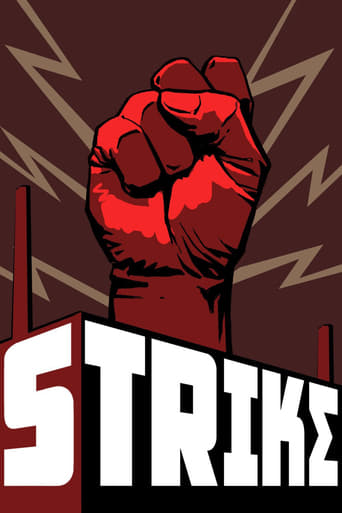
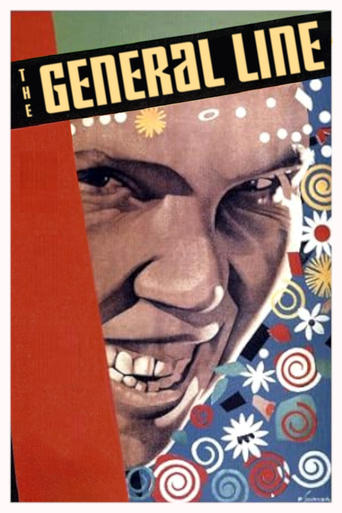
More Drama films
View all →







More from Oleksandr Dovzhenko
View all →
More about this film
About the production
Release date1929
BudgetNot publicly documented - Soviet films of this era did not disclose production budgets
Box officeNot applicable - Soviet cinema operated under a state-controlled distribution system without commercial box office tracking
ProductionVUFKU (All-Ukrainian Photo-Cinema Administration)
Filmed inKyiv, Ukrainian SSR, Arsenal factory complex in Kyiv, Dovzhenko Film Studios location in Kyiv
Filmed on location at the actual Arsenal factory where the historical events took place, adding authenticity to the production. Dovzhenko employed non-professional actors alongside professional performers to enhance the film's documentary-like feel. The production faced challenges from Soviet authorities who initially found the film's avant-garde style and Ukrainian nationalist elements problematic. The train crash sequence was particularly difficult to film, requiring dangerous stunt work and innovative camera techniques.
Themes
Class struggleRevolutionary sacrificeIndustrializationNational identityThe individual vs. the collective
Themes & topics
Bolshevik uprisingFactory workersRevolutionCivil warKyivArsenal factoryClass conflictPolitical struggleHistorical dramaSoviet Union
Historical background
Made in 1929, in Soviet Union, under Oleksandr Dovzhenko, Arsenal belongs to silent filmmaking amid the silent era's rapid stylistic experiments. Arsenal is a 1929 silent Soviet drama film by Alexander Dovzhenko.
Why this film matters
Within silent history, Oleksandr Dovzhenko's name attaches to the work; surviving prints help researchers study silent-era craft; 1929 film directed by Alexander Dovzhenko.
Making of
The making of Arsenal was marked by intense political and artistic tensions. Dovzhenko, who had participated in the actual 1918 events, insisted on filming at the real Arsenal factory location, which required special permission from Soviet authorities. He employed a revolutionary approach to casting, mixing professional actors like Amvrosii Buchma with actual factory workers who had lived through the events. The production team faced significant challenges filming the battle sequences, which required hundreds of extras and complex choreography. Dovzhenko's innovative use of long takes and symbolic imagery confused Soviet censors, who demanded multiple cuts before approving the film for release. The director fought to maintain his artistic vision, particularly the sequence depicting the wounded worker's ghostly return to fight, which censors considered too mystical and un-Marxist.
What critics said
Contemporary reviews of Arsenal are sparse in open sources; later catalog entries chiefly summarize plot and credits.
Did you know?
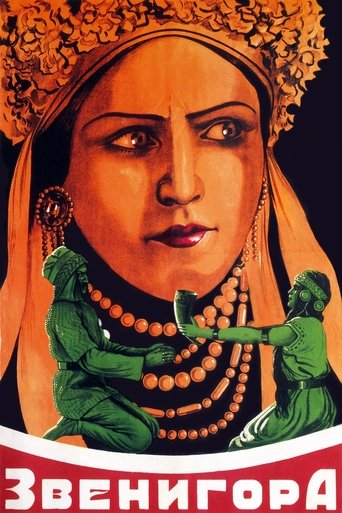
- Is the second film in Dovzhenko's acclaimed 'Ukrainian Trilogy,' following Zvenigora (1928) and preceding Earth (1930)
- Initially banned by Soviet authorities for its 'formalist' style and alleged Ukrainian nationalist sympathies
- Dovzhenko based the film on his own experiences as a participant in the revolutionary events of 1918
- The scene of a worker with a bullet wound in his chest continuing to fight was inspired by a real historical incident
- The film's use of Ukrainian folk songs and cultural elements was controversial in the increasingly Russified Soviet cultural landscape
- Was one of the last major Soviet silent films before the transition to sound cinema
- The train crash sequence took weeks to film and was considered dangerous stunt sequences of its time
- Dovzhenko cast his wife Yuliya Solntseva in a small role, beginning her long career as both actress and director
- The film's title refers to the actual Arsenal weapons factory in Kyiv, which was a center of Bolshevik revolutionary activity
- Despite its political themes, the film was praised internationally for its artistic innovation and visual poetry
Awards & recognition
- Named one of the 12 best films of all time by the Brussels World Film Fair (1958)
- Included in the Soviet Union's official list of greatest films (multiple times)
- VUFKU Award for Artistic Achievement (1929)
Visual style
The cinematography by Danylo Demutskyi is revolutionary for its time, employing innovative techniques that influenced world cinema. Demutskyi used dramatic low angles to emphasize the heroic stature of workers and extreme close-ups to create psychological intensity. The film features use of superimposition and multiple exposure to create ghostly, symbolic images, particularly in the sequence where the dead worker rises to continue fighting. The battle sequences employ dynamic camera movement and rapid editing techniques that create a sense of chaos and urgency. The famous 'iron lung' sequence, showing a worker's chest expanding and contracting with industrial machinery, demonstrates extraordinary technical innovation. The visual style blends stark documentary realism with poetic expressionism, creating a unique aesthetic that elevates the historical narrative to mythic proportions.
Innovations
Pioneered numerous technical innovations that influenced cinema development. The film's complex special effects, particularly the ghost sequences using multiple exposure, were technically for 1929. The train crash sequence required innovative camera mounting techniques and dangerous stunt coordination that pushed the boundaries of what was possible in silent cinema. Dovzhenko's use of long takes and deep focus predated similar techniques by more famous filmmakers. The film's editing style, which juxtaposes documentary footage with staged sequences, created a hybrid form that influenced later documentary and narrative filmmaking. The production's use of actual factory locations and industrial equipment as props demonstrated new possibilities for location shooting. The film's preservation of historical events through cinematic techniques established new standards for historical filmmaking.
Music
As a silent film, Arsenal originally had no recorded soundtrack but was accompanied by live musical performances. The score was typically performed by theater orchestras using a combination of classical pieces and original compositions. Dovzhenko incorporated Ukrainian folk songs and workers' anthems directly into the visual narrative through intertitles and sung performances by characters. The film's rhythmic editing creates a musical quality that compensates for the absence of recorded sound. Modern restorations have been accompanied by newly composed scores by various composers, including attempts to recreate the likely original musical accompaniment. The sound design in contemporary screenings emphasizes the industrial sounds of the factory and the chaos of battle, creating an immersive experience that honors the film's original aesthetic intentions.
Famous quotes
We are the iron will of the revolution!" - shouted by workers during the factory uprising
Even in death, the proletariat continues the fight!" - intertitle during the ghost sequence
The Arsenal will not fall!" - workers' cry during the siege
From each according to his ability, to each according to his needs!" - revolutionary slogan featured in the film
The blood of martyrs waters the tree of revolution!" - poetic intertitle during the climax
Memorable scenes
- The ghost sequence where a mortally wounded worker rises from the dead to continue fighting, his chest glowing with the light of revolution
- The train crash sequence with its spectacular stunt work and innovative camera angles
- The 'iron lung' sequence showing a worker's chest expanding in rhythm with factory machinery
- The final battle at the Arsenal factory with hundreds of workers charging against overwhelming odds
- The opening sequence of soldiers returning from WWI, their faces showing the trauma of war
What audiences thought
Initial Soviet audience reception was complicated by the film's avant-garde style, which many working-class viewers found difficult to understand compared to more straightforward propaganda films. However, Ukrainian audiences particularly appreciated the film's authentic depiction of their national history and use of cultural elements. The film developed a cult following among intellectuals and artists who recognized its artistic significance. International audiences at film festivals were deeply impressed by its visual power and emotional intensity. Modern audiences, particularly those interested in film history and avant-garde cinema, have embraced Arsenal as a masterpiece, with screenings at film archives and museums drawing enthusiastic crowds. The film has gained new relevance in post-Soviet Ukraine as an important work of national cinematic heritage.
Film connections
Influenced by
- Battleship Potemkin (Eisenstein)
- The End of St. Petersburg (Vsevolod Pudovkin)
- German Expressionist cinema
- Ukrainian folk art
- Documentary filmmaking of the 1920s
- Soviet montage theory
This film influenced
- Earth (Dovzhenko, 1930)
- Ivan (Dovzhenko, 1932)
- The Cranes Are Flying (Mikhail Kalatozov, 1957)
- The Color of Pomegranates (Sergei Parajanov, 1969)
- Come and See (Elem Klimov, 1985)
- Stalingrad (Yuri Ozerov, 1989)
Film restoration
Has been preserved through multiple restoration efforts, though some original footage remains lost. The most complete restoration was undertaken by the Gosfilmofond of Russia in collaboration with the Dovzhenko Centre in Kyiv. A major restoration project in the 1970s recovered damaged footage and improved image quality. The film exists in several versions of varying completeness, with some sequences surviving only in fragmentary form. The film has been preserved in the UNESCO Memory of the World Register as part of Dovzhenko's collective works. Digital restorations continue to improve access to this important cinematic work, though some original camera negatives have deteriorated beyond recovery.
Where to watch
- Available on The Criterion Channel
- Included in the Dovzhenko Trilogy DVD/Blu-ray collection from Criterion
- Streaming on MUBI with subscription
- Available for purchase on Amazon Prime Video
- Screenings at film archives including the Museum of Modern Art (NYC)
- Available through the Dovzhenko Centre's official streaming platform
- Included in various Soviet cinema collections on physical media