Films
1 film
About Mykola Kuchynskyi
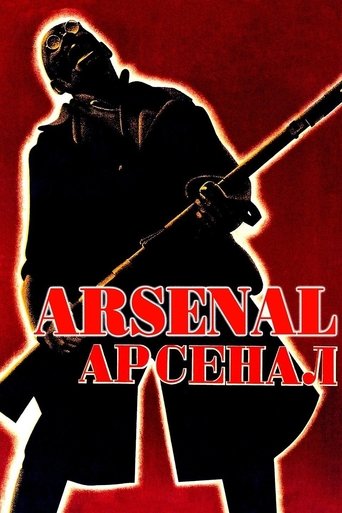
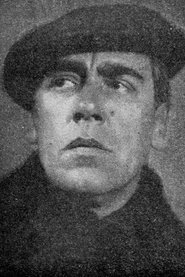
Mykola Kuchynskyi worked on one surviving credit: Arsenal (1929). His sole known film appearance was in Alexander Dovzhenko's masterpiece 'Arsenal' (1929), films in Ukrainian cinema history. Like many actors of this period, Kuchynskyi was likely discovered during the cultural renaissance that followed the Ukrainian Revolution, when the Soviet government initially encouraged national cinema. His career, though brief, coincided with what many consider the peak of Ukrainian silent filmmaking before Stalinist cultural policies began to restrict artistic freedom. The fact that he appeared in a Dovzhenko film suggests he was part of the select group of actors working with Ukraine's most celebrated director. Unfortunately, like many actors from this era, detailed records of his life and career were likely lost during the political upheavals and cultural suppression of the 1930s.
The Craft
Milestones
- Appeared in Alexander Dovzhenko's 'Arsenal' (1929)
Best Known For
Iconic Roles
Must-See Films
Working Relationships
Worked Often With
Studios
Why They Matter
Impact on Culture
Mykola Kuchynskyi represents the generation of Ukrainian actors who participated in the remarkable cultural flowering of Ukrainian cinema in the 1920s. Although his career was extremely brief, his participation in 'Arsenal' places him within the context of. The actors who worked with Dovzhenko during this period were part of a revolutionary cinematic language that combined avant-garde techniques with Ukrainian national themes, creating a unique aesthetic that influenced world cinema.
Lasting Legacy
Mykola Kuchynskyi's legacy is primarily tied to his contribution to 'Arsenal,' which remains. While he may not have achieved individual recognition, his work represents the collective contribution of the actors who helped bring Dovzhenko's vision to life during a pivotal moment in Ukrainian cultural history. The film itself continues to be studied and celebrated internationally, ensuring that the work of its entire cast, including Kuchynskyi, remains part of cinema's historical record.
Who They Inspired
As an actor from this specific period and context, Mykola Kuchynskyi's influence would have been limited to his immediate contribution to Ukrainian cinema of the late 1920s. The actors who worked in these early Ukrainian films helped establish a tradition of performance that balanced realistic portrayal with the symbolic and expressionist elements favored by directors like Dovzhenko.
Off Screen
Very little is known about Mykola Kuchynskyi's personal life, as records from this period of Ukrainian cinema are scarce. Like many actors from early Soviet Ukrainian film, biographical information was often poorly documented and many records were lost during subsequent political purges and cultural suppression.
Did You Know?
- Appeared in only one known film during his career
- Worked during the peak of Ukrainian silent cinema
- Participated in one of Alexander Dovzhenko's most famous films
- His career coincided with the brief period of artistic freedom in Soviet Ukraine before Stalinist restrictions
- Like many actors from this era, biographical information is extremely scarce
- The film 'Arsenal' was part of Dovzhenko's 'Ukrainian Trilogy' along with 'Zvenigora' and 'Earth'
- Arsenal was controversial for its depiction of the Ukrainian Revolution and faced censorship challenges
Frequently Asked Questions
Who was Mykola Kuchynskyi?
Screen credits include Alexander Dovzhenko's 1929 film 'Arsenal.' He was active during a brief but significant period in Ukrainian cinema history when artistic freedom flourished before Soviet cultural restrictions intensified.
What films is Mykola Kuchynskyi best known for?
Titles linked here include Arsenal (1929).
When was Mykola Kuchynskyi born and when did he die?
Unfortunately, specific birth and death dates for Mykola Kuchynskyi are not known. Like many actors from early Soviet Ukrainian cinema, biographical records are incomplete or lost due to the political upheavals of the 1930s and subsequent decades.
What awards did Mykola Kuchynskyi win?
There are no records of Mykola Kuchynskyi receiving any formal awards or recognition. During the late 1920s in Soviet Ukraine, formal award systems for cinema were not yet established, and recognition for actors was often limited to critical acclaim rather than formal honors.
What was Mykola Kuchynskyi's acting style?
Specific details about Mykola Kuchynskyi's acting style are not documented. However, actors working with Dovzhenko during this period typically employed a blend of realistic performance and symbolic expression, characteristic of the avant-garde tendencies in Soviet cinema of the late 1920s.