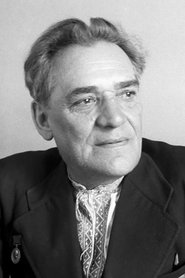
Amvrosii Buchma
Actor
Born: March 14, 1891 in Lviv, Austro-Hungarian Empire (now Ukraine) Died: January 6, 1957 Active: 1915-1957 Birth Name: Amvrosii Maximilianovich Buchma
Films
4 films
About Amvrosii Buchma
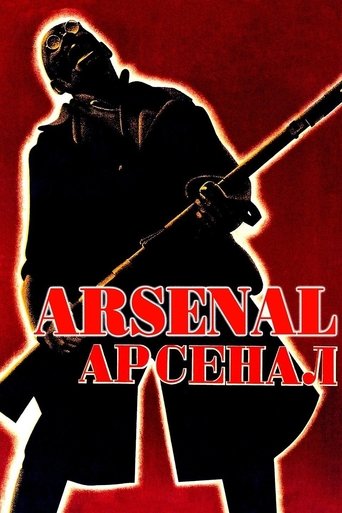
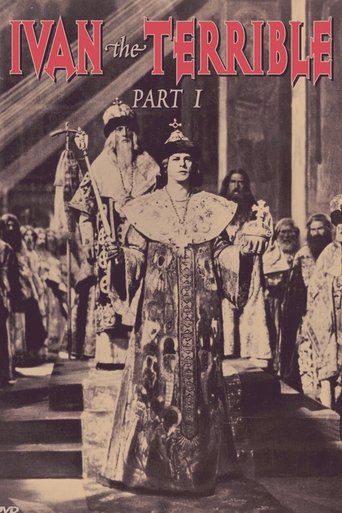
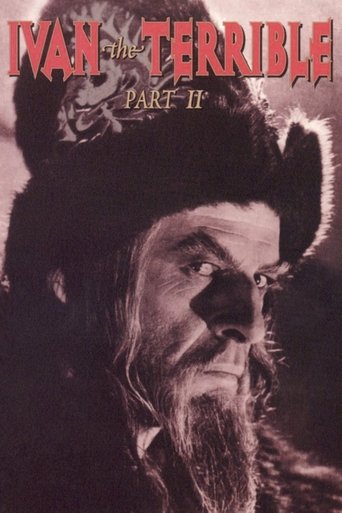
Amvrosii Maximilianovich Buchma — Soviet and Ukrainian actor active from the silent era through the golden age of Soviet cinema. Born in Lviv, he began his theatrical career in 1915 and quickly established himself as versatile performers in Ukrainian theater. His transition to film in the 1920s coincided with the emergence of Soviet avant-garde cinema, where he became a favorite of directors like Alexander Dovzhenko and Vsevolod Pudovkin. Buchma's performances in silent masterpieces such as 'Arsenal' (1929) showcased his ability to convey complex emotions through physical expression alone. With the advent of sound, he successfully adapted his style, delivering powerful performances in both Ukrainian and Russian language productions. His role in Eisenstein's 'Ivan the Terrible, Part I' (1944) demonstrated his remarkable range, playing the fool with both comic pathos and underlying menace. Throughout his career, Buchma balanced his film work with theater, serving as a leading actor at the Les Kurbas Theater and later the Ivan Franko National Academic Drama Theater. He was recognized as a People's Artist of the USSR, the highest artistic honor in the Soviet Union, cementing his status as actors in Soviet cultural history.
The Craft
On Screen
Buchma was known for his extraordinary versatility, seamlessly transitioning from grotesque comedy to profound tragedy. His silent film technique emphasized expressive physicality and facial contortion, influenced by both European expressionism and Ukrainian folk traditions. In sound films, he developed a distinctive vocal delivery that could range from booming authority to whispered intimacy. His approach combined methodical character study with spontaneous improvisation, creating performances that were both technically precise and emotionally raw. He particularly excelled at playing complex, multi-layered characters who embodied social contradictions and psychological depth.
Milestones
- Stage debut at Lviv Theater (1915)
- Breakthrough role in 'Arsenal' (1929)
- Leading actor at Les Kurbas Theater (1920s-1930s)
- Performance in Eisenstein's 'Ivan the Terrible' (1944)
- Named People's Artist of the USSR (1944)
- Starring role in 'The Taras Family' (1945)
- Received Stalin Prize (1946)
- Career retrospective at Moscow Film Festival (1956)
Best Known For
Iconic Roles
Must-See Films
Accolades
Won
- People's Artist of the USSR (1944)
- Stalin Prize (1946)
- Order of Lenin (1951)
- Order of the Red Banner of Labor (1948)
- People's Artist of the Ukrainian SSR (1936)
Nominated
- Stalin Prize nomination for 'Shchors' (1940)
- Stalin Prize nomination for 'Nightingale the Liar' (1942)
Special Recognition
- Theater named after him in Kyiv
- Commemorative postage stamp issued (1991)
- Star on the Avenue of Stars in Kyiv
- Annual Buchma Theater Festival established
Working Relationships
Worked Often With
Studios
Why They Matter
Impact on Culture
Amvrosii Buchma played a pivotal role in shaping Soviet and Ukrainian cinema during its formative decades. His performances helped establish the visual language of Soviet silent film, particularly in expressing the revolutionary spirit and social contradictions of the 1920s and 1930s. As a Ukrainian actor working within the Soviet system, he became a symbol of cultural synthesis, bringing Ukrainian theatrical traditions to Soviet cinema while adapting to the demands of socialist realism. His work in films like 'Arsenal' contributed to the international recognition of Soviet avant-garde cinema, while his later roles demonstrated how individual artists could maintain artistic integrity within state-sanctioned productions.
Lasting Legacy
Buchma's legacy endures through his influence on generations of Soviet and post-Soviet actors, particularly in Ukraine. He is remembered as a bridge between the experimental theater of the 1920s and the more conventional socialist realism of the Stalin era. His technique of combining physical expressiveness with psychological depth became a model for actors working in both theater and film. The Kyiv Academic Drama and Comedy Theater bearing his name continues to honor his contributions to performing arts. Film scholars frequently cite his performances as examples of how great acting could transcend ideological constraints and achieve universal artistic resonance.
Who They Inspired
Buchma influenced the development of acting pedagogy in Soviet theater schools, particularly in the integration of physical and vocal training. His approach to character creation, which emphasized detailed observation and transformation, became part of the standard curriculum in Soviet acting academies. Contemporary Ukrainian actors often reference his ability to maintain cultural specificity while working within the broader Soviet artistic framework. International filmmakers studying Soviet cinema frequently point to his performances as examples of how actors could contribute to political cinema without sacrificing artistic complexity or emotional authenticity.
Off Screen
Buchma was known for his dedication to the craft of acting, often spending months preparing for roles. He maintained a relatively private personal life, though he was known to be a mentor to younger actors and a passionate advocate for Ukrainian cultural identity within the Soviet system. His marriage to fellow actress Valentina Klyueva was both a personal and professional partnership, with the couple often performing together on stage. Despite the political pressures of the Stalin era, Buchma managed to navigate the complex cultural politics while maintaining artistic integrity.
Education
Lviv Drama School (graduated 1914)
Family
- Valentina Klyueva (1925-1957)
Did You Know?
- Was originally trained as a lawyer before switching to theater
- Spoke fluent Ukrainian, Russian, German, and Polish
- Was one of the few actors who successfully transitioned from Ukrainian silent films to Soviet sound cinema
- Maintained a detailed diary of his acting techniques and character studies
- Once performed 12 different roles in a single theatrical production
- Was known for his method of living as his characters for weeks before filming
- Survived the Stalin purges despite his association with avant-garde theater
- His performance in 'Arsenal' was studied by acting schools worldwide
- Was a close friend of poet Vladimir Mayakovsky
- Refused to join the Communist Party until late in his career
- His final film role was completed just months before his death
- Was known to give away most of his earnings to struggling young actors
In Their Own Words
The actor must not play the character, he must become the character - there is a universe of difference between these two approaches
In the silence of film, the body must speak louder than words ever could
Art survives politics, but the artist must sometimes navigate the storm
To play a fool is the most difficult role, for one must be wise enough to understand foolishness
The Ukrainian soul is complex - it can laugh through tears and cry through laughter
Frequently Asked Questions
Who was Amvrosii Buchma?
Renowned Soviet and Ukrainian with credits in this catalog.
What films is Amvrosii Buchma best known for?
Titles linked here include Arsenal (1929), Ivan the Terrible, Part I (1944).
When was Amvrosii Buchma born and when did he die?
Born March 14, 1891; died January 6, 1957.
What awards did Amvrosii Buchma win?
Buchma received numerous honors including the title of People's Artist of the USSR (1944), the Stalin Prize (1946), the Order of Lenin (1951), and was named People's Artist of the Ukrainian SSR in 1936.
What was Amvrosii Buchma's acting style?
Buchma's acting style was characterized by extraordinary versatility, combining expressive physicality (especially in silent films) with powerful vocal delivery in sound films, and excelling at both grotesque comedy and profound tragedy.