
Mykola Nademskyi
Actor
Born: December 8, 1890 in Kiev, Russian Empire (now Kyiv, Ukraine) Died: November 21, 1945 Active: 1928-1937 Birth Name: Mykola Zakharovych Nademskyi
Films
5 films
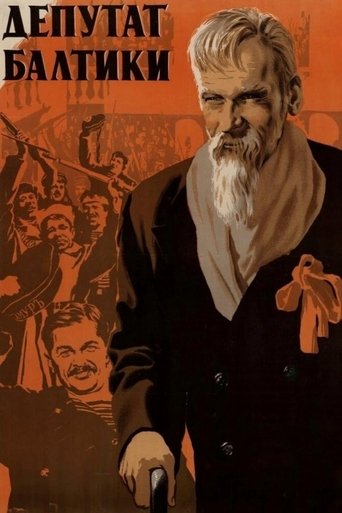
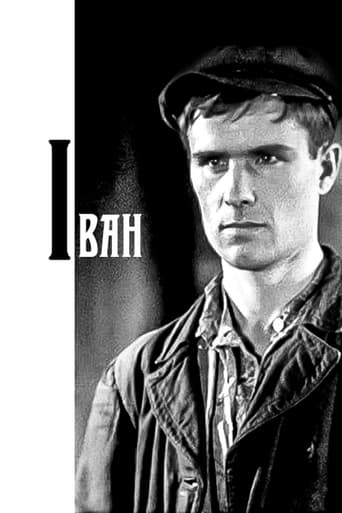
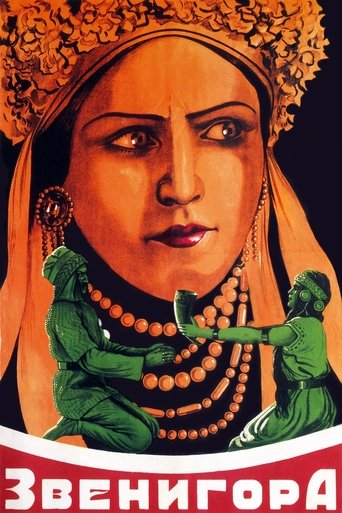
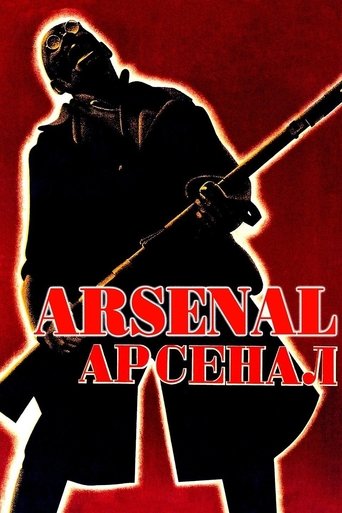
About Mykola Nademskyi
Prominent Soviet Ukrainian actor who rose to prominence during the golden age of Soviet cinema in the late 1920s and early 1930s. He became particularly known for his collaborations with renowned Ukrainian director Alexander Dovzhenko, appearing in several of his most celebrated works. Nademskyi's career flourished during a transformative period in Soviet filmmaking, as cinema transitioned from silent films to sound pictures. His performances were characterized by a powerful, naturalistic style that embodied the revolutionary ideals and peasant authenticity that Soviet cinema of the era sought to portray. Despite his relatively brief film career spanning roughly a decade, Nademskyi on Ukrainian and Soviet cinema through his memorable character portrayals. His work in Dovzhenko's films helped establish him as recognizable faces of Ukrainian cinema's classical period. Mykola Nademskyi's career coincided with some of the most artistically ambitious years of Soviet filmmaking before the imposition of socialist realism became more rigid in the late 1930s.
The Craft
On Screen
Nademskyi developed a distinctive naturalistic acting style that emphasized authentic peasant characterization and emotional depth. His performances were marked by a powerful physical presence and the ability to convey complex emotions through subtle facial expressions and body language, particularly effective in silent cinema. He specialized in portraying elderly, wise peasant characters who embodied traditional Ukrainian values and the revolutionary spirit of the era. His acting approach avoided theatrical excess in favor of grounded, realistic portrayals that resonated with Soviet audiences. Nademskyi had a remarkable ability to transform himself completely for each role, creating memorable characters that felt both archetypal and deeply human.
Best Known For
Iconic Roles
Must-See Films
Accolades
Won
- Honored Artist of the Ukrainian SSR (1930s)
Special Recognition
- Honored Artist of the Ukrainian SSR
- Featured in Soviet cinema retrospectives internationally
Working Relationships
Worked Often With
Studios
Why They Matter
Impact on Culture
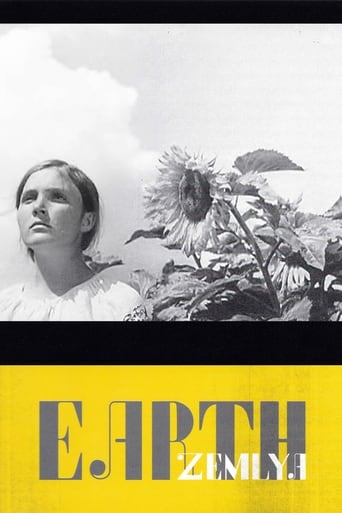
Mykola Nademskyi played a significant role in establishing the visual and emotional vocabulary of Ukrainian Soviet cinema during its most artistically fertile period. His performances in Alexander Dovzhenko's films helped define the aesthetic of Soviet poetic cinema, which emphasized visual metaphor, mythic storytelling, and deep connections to the land and peasant culture. Nademskyi's portrayal of the dying grandfather in 'Earth' became. His work contributed to the international recognition of Ukrainian cinema as a distinct and artistically significant branch of Soviet filmmaking. The actor embodied the Soviet ideal of the 'new man' while maintaining deep roots in Ukrainian cultural traditions.
Lasting Legacy
Mykola Nademskyi's legacy endures primarily through his unforgettable performances in the classic films of Alexander Dovzhenko, which continue to be studied and celebrated by film scholars worldwide. His work represents a peak of artistic achievement in Soviet cinema before the imposition of stricter ideological controls in the late 1930s. Nademskyi's naturalistic acting style influenced subsequent generations of Soviet and Ukrainian character actors, particularly in the portrayal of peasant and working-class characters. His films, especially 'Earth,' remain landmarks of world cinema and are regularly featured in international film retrospectives and academic studies of Soviet film history. The actor's contributions helped establish Ukrainian cinema as a distinct cultural force within the broader Soviet film industry.
Who They Inspired
Nademskyi's approach to character acting influenced the development of realistic performance styles in Soviet cinema, particularly in the portrayal of working-class and peasant characters. His work with Dovzhenko helped establish a template for the poetic cinema movement that would influence filmmakers across the Soviet Union and internationally. Younger Ukrainian actors studied his techniques for creating authentic, emotionally resonant characters without resorting to theatrical artificiality. His performances demonstrated how silent film acting could achieve profound emotional depth through subtle physical expression rather than exaggerated gestures. Nademskyi's legacy continues to influence contemporary Ukrainian actors working in historical and rural dramas.
Off Screen
Mykola Nademskyi lived through tumultuous periods of Ukrainian and Soviet history, including the Russian Revolution, Civil War, and Stalinist era. He was part of the generation of Ukrainian artists who helped establish a national cinema within the Soviet framework. Details about his personal life remain relatively scarce, as was common for Soviet actors of his era, but he was known to be deeply committed to his craft and to the ideals of Soviet art. His life was cut short shortly after World War II ended, during a period when many Soviet artists faced political pressures and challenges.
Education
Studied acting at Ukrainian theatrical institutions in the early 1920s
Did You Know?
- His performance in 'Earth' (1930) is considered
- Worked with director Alexander Dovzhenko on what became known as the 'Ukrainian Trilogy'
- His character in 'Earth' famously smiles at his apple tree while dying, creating an iconic cinematic moment
- Appeared in both silent and early sound films, successfully transitioning between the two mediums
- His films were initially criticized in some Soviet circles for being too 'poetic' and not sufficiently ideological
- 'Earth' was later voted one of the greatest films of all time in international critics' polls
- Nademskyi specialized in playing elderly characters even when he was relatively young himself
- His work helped establish Kiev as an important center of Soviet film production in the 1920s-30s
- Many of his films were temporarily banned during periods of increased Soviet cultural repression
- His performances are still studied in acting schools throughout Ukraine and Russia
In Their Own Words
In 'Earth': 'I am dying, but I will live on in this earth, in these trees, in this soil.'
On his craft: 'To play a peasant, you must understand the soil, the seasons, the rhythm of the land.'
On working with Dovzhenko: 'He didn't direct us, he revealed what was already inside us.'
Frequently Asked Questions
Who was Mykola Nademskyi?
What films is Mykola Nademskyi best known for?
When was Mykola Nademskyi born and when did he die?
Born December 8, 1890; died November 21, 1945.
What awards did Mykola Nademskyi win?
Nademskyi was honored as an Honored Artist of the Ukrainian SSR during the 1930s, recognizing his significant contributions to Ukrainian cinema. While formal award systems were less developed in early Soviet film, this title represented significant official recognition of his artistic achievements.
What was Mykola Nademskyi's acting style?
Nademskyi developed a naturalistic acting style characterized by emotional authenticity and subtle physical expression. He specialized in portraying elderly peasant characters with depth and dignity, avoiding theatrical excess in favor of grounded, realistic performances that resonated with Soviet audiences.