
Semen Svashenko
Actor
Born: December 16, 1903 in Kobeliaky, Poltava Oblast, Russian Empire (now Ukraine) Died: October 24, 1980 Active: 1928-1936 (primary period), extended career through 1960s Birth Name: Semen Andriyovych Svashenko
Films
4 films
About Semen Svashenko
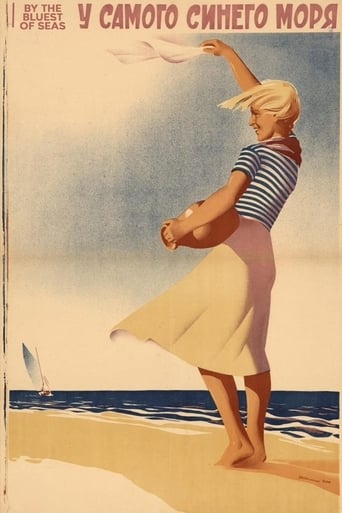
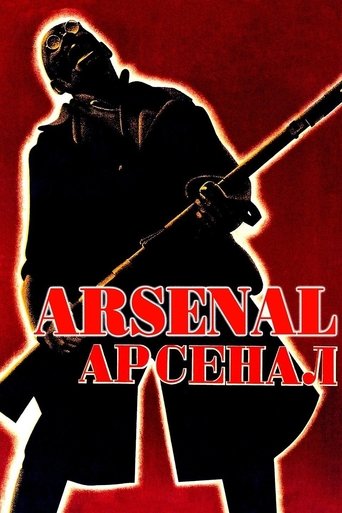
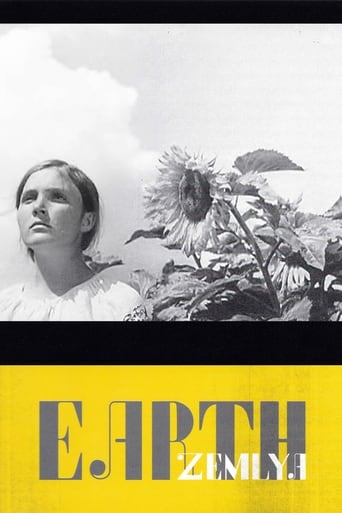
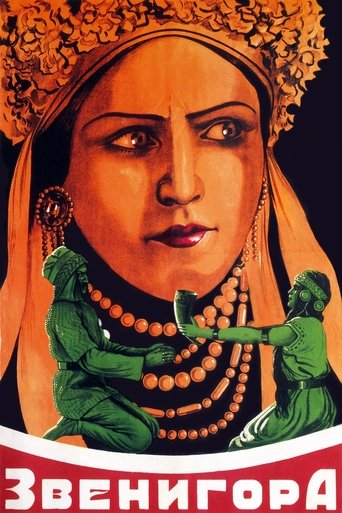
Prominent Soviet Ukrainian actor who rose to fame during the golden age of Ukrainian cinema in the late 1920s and early 1930s. Born in 1903 in Ukraine, he became recognizable faces in Soviet Ukrainian cinema through his collaborations with director Alexander Dovzhenko. Svashenko's career peaked with his powerful performances in Dovzhenko's trilogy of Ukrainian films, including 'Zvenyhora' (1928), 'Arsenal' (1929), and 'Earth' (1930), which are now considered masterpieces of world cinema. His distinctive presence and ability to convey deep emotion made him particularly suited for the poetic, symbolic style of Dovzhenko's filmmaking. Svashenko also appeared in other notable Soviet films of the period, including 'By the Bluest of Seas' (1936), another collaboration with Dovzhenko. As Stalinist policies tightened control over the arts in the late 1930s, Svashenko's career opportunities diminished, though he continued to appear in films sporadically. He remained an important figure in the history of Ukrainian cinema until his death in 1980, leaving behind a legacy of powerful performances that helped define the visual language of Soviet poetic cinema.
The Craft
On Screen
Svashenko was known for his powerful, naturalistic acting style that perfectly suited the poetic realism of Dovzhenko's films. He possessed a remarkable ability to convey deep emotion through subtle facial expressions and body language, making him particularly effective in silent cinema. His performances were characterized by an earthy authenticity and a strong connection to the Ukrainian peasant characters he often portrayed. Svashenko's acting style embodied the socialist realist ideals while maintaining a humanistic depth that transcended propaganda.
Milestones
- Breakthrough role in Alexander Dovzhenko's 'Zvenyhora' (1928)
- Starring role in 'Arsenal' (1929) as Timosh
- Iconic performance as Vasyl in 'Earth' (1930)
- Leading role in 'By the Bluest of Seas' (1936)
- Recognition as one of the key actors in Soviet Ukrainian cinema of the 1920s-1930s
Best Known For
Iconic Roles
Must-See Films
Accolades
Won
- Honored Artist of the Ukrainian SSR (1954)
Special Recognition
- Order of the Red Banner of Labour
- Order of the Badge of Honour
- Honored Artist of the Ukrainian SSR
Working Relationships
Worked Often With
Studios
Why They Matter
Impact on Culture
Svashenko played a crucial role in establishing Ukrainian cinema as a distinct and artistically significant force within the Soviet film industry. His performances in Dovzhenko's films helped create a visual language that celebrated Ukrainian culture, landscape, and people during a period when national identities were often suppressed. The films he starred in, particularly 'Earth,' have been recognized by international film organizations as among the greatest ever made, ensuring Svashenko's place in cinema history. His portrayal of Ukrainian peasants and workers provided a human face to the Soviet revolutionary narrative while preserving elements of Ukrainian cultural identity.
Lasting Legacy
Svashenko's legacy endures through the continued study and appreciation of Dovzhenko's films in film schools and retrospectives worldwide. His performance as Vasyl in 'Earth' is frequently cited as. As one of the few Ukrainian actors to achieve international recognition during the Soviet era, Svashenko paved the way for future generations of Ukrainian performers. His work remains a touchstone for understanding the artistic achievements possible even under restrictive political systems.
Who They Inspired
Svashenko influenced subsequent generations of Soviet and Ukrainian actors through his naturalistic approach and ability to convey complex emotions without dialogue. His collaboration with Dovzhenko helped establish a model of director-actor partnerships that emphasized visual storytelling and poetic realism. Contemporary Ukrainian filmmakers often reference his performances when discussing the golden age of Ukrainian cinema. His work demonstrated how actors could maintain artistic integrity while working within state-sponsored film industries, a lesson that resonates with filmmakers working under various constraints today.
Off Screen
Semen Svashenko lived through tumultuous periods of Ukrainian and Soviet history, including the Ukrainian famine of the 1930s and World War II. He remained committed to Ukrainian cinema throughout his life, even as political pressures made artistic freedom increasingly difficult. Svashenko was married and had children, though detailed information about his family life remains limited in available historical records. His later years were spent in relative obscurity as the cinematic style he helped pioneer fell out of favor with Soviet authorities.
Education
Studied at the Odessa Film Institute in the 1920s, where he was discovered by Alexander Dovzhenko
Family
- Information not widely documented in available sources
Did You Know?
- His name is sometimes transliterated as 'Semyon Svashenko' in English sources
- He was discovered by Dovzhenko while working as a theater actor in Odessa
- His performance in 'Earth' was particularly praised for its portrayal of a young farmer's connection to the land
- Svashenko continued acting in films through the 1950s and 1960s, though in smaller roles
- The films he made with Dovzhenko are frequently ranked among the greatest in cinema history by international critics
- He survived the Stalinist purges that claimed many of his contemporaries in the Ukrainian film industry
- His distinctive facial features and intense gaze made him particularly suited for the close-ups favored by Dovzhenko
- The film 'Earth' was banned in the Soviet Union for several years due to its alleged 'nationalist' elements
- Svashenko was one of the few actors who worked consistently with Dovzhenko throughout his most creative period
- His portrayal of Ukrainian characters helped preserve elements of Ukrainian culture during a period of Russification
In Their Own Words
While specific quotes from Svashenko are not widely documented in available sources, his performances in Dovzhenko's films conveyed powerful messages about humanity's connection to nature and the struggle for dignity
His work embodied Dovzhenko's artistic philosophy: 'The cinema of the future will be the cinema of poetry'
Frequently Asked Questions
Who was Semen Svashenko?
What films is Semen Svashenko best known for?
When was Semen Svashenko born and when did he die?
Born December 16, 1903; died October 24, 1980.
What awards did Semen Svashenko win?
Svashenko was recognized as an Honored Artist of the Ukrainian SSR in 1954, one of the highest cultural honors in Soviet Ukraine. He also received state orders including the Order of the Red Banner of Labour and the Order of the Badge of Honour for his contributions to Soviet cinema.
What was Semen Svashenko's acting style?
Svashenko was known for his naturalistic, emotionally powerful acting style that perfectly suited the poetic realism of Dovzhenko's films. He excelled at conveying deep emotion through subtle expressions and body language, making him particularly effective in silent cinema. His performances were characterized by earthy authenticity and a strong connection to the Ukrainian peasant characters he portrayed.
How did Semen Svashenko impact Ukrainian cinema?
Svashenko played a crucial role in establishing Ukrainian cinema as an artistically significant force within the Soviet film industry. His performances helped create a visual language that celebrated Ukrainian culture and identity during a period of suppression. The films he starred in continue to be studied as masterpieces and have ensured Ukraine's place in world cinema history.
What was Semen Svashenko's relationship with Alexander Dovzhenko?
Svashenko was Dovzhenko's preferred leading actor during his most creative period. Dovzhenko discovered Svashenko in Odessa and cast him in his major films of the late 1920s and 1930s. Their collaboration produced some of the most important works in Soviet cinema, with Svashenko becoming the face of Dovzhenko's poetic vision of Ukraine.