
Oleksandr Dovzhenko
Director
Born: September 10, 1894 in Sosnytsia, Chernihiv Governorate, Russian Empire (now Ukraine) Died: November 25, 1956 Active: 1926-1956 Birth Name: Oleksandr Petrovych Dovzhenko
Films
9 films
About Oleksandr Dovzhenko
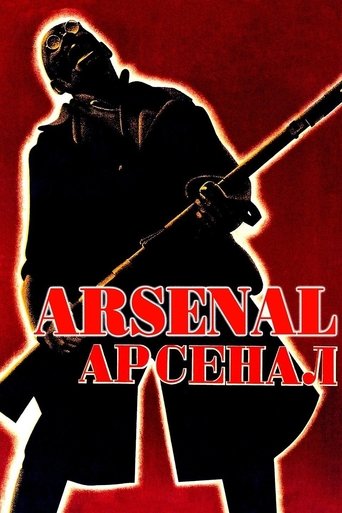
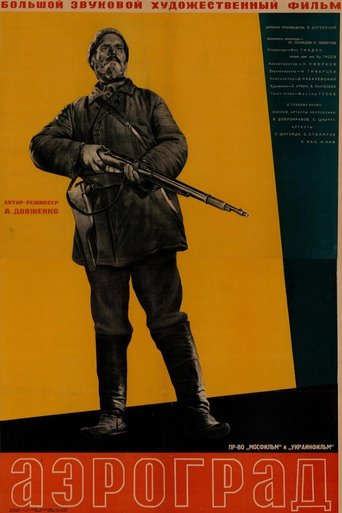
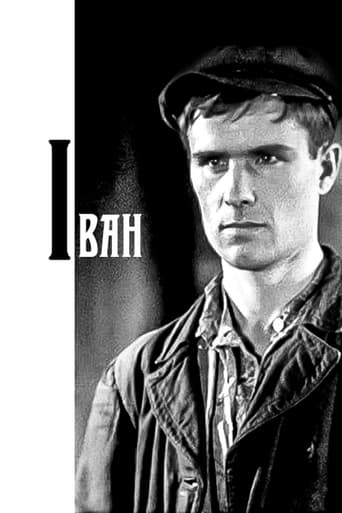
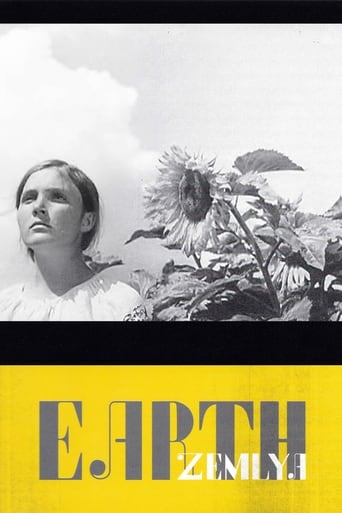
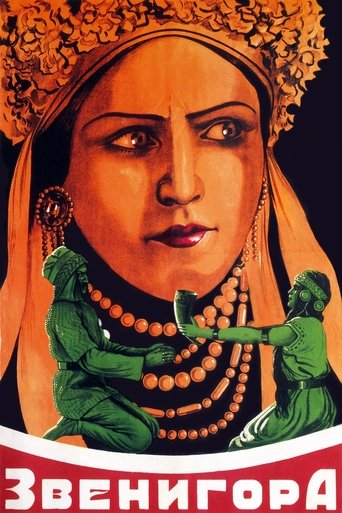
Oleksandr Petrovych Dovzhenko — Soviet Ukrainian filmmaker, screenwriter, and artist who emerged as directors of the Soviet avant-garde cinema movement. Born into a peasant family in the Ukrainian countryside, his early life experiences profoundly influenced his cinematic vision, particularly his deep connection to nature and rural life. After serving in World War I and working various jobs including teaching and journalism, Dovzhenko entered the world of cinema in his late twenties, first as a screenwriter and then as a director. His 'Ukrainian Trilogy'—Zvenyhora (1928), Arsenal (1929), and Earth (1930)—established his reputation excelled in poetic cinema, blending lyrical imagery with revolutionary themes. Despite facing political pressure and censorship during Stalin's regime, Dovzhenko continued to create powerful films that celebrated Ukrainian culture and Soviet ideals, though often in coded ways. His later works, including the acclaimed Ivan (1932) and Aerograd (1935), demonstrated his ability to adapt to sound cinema while maintaining his distinctive visual style. Dovzhenko's career was cut short by his death in 1956, but his influence on world cinema, particularly on filmmakers like Andrei Tarkovsky and Sergei Parajanov, has endured long beyond his lifetime.
The Craft
Behind the Camera
Dovzhenko's directing style was characterized by its poetic lyricism, epic scope, and deep connection to nature and Ukrainian folklore. He employed long, contemplative shots, symbolic imagery, and a rhythmic editing style that created a hypnotic, almost musical quality to his films. His visual language blended realism with mythic elements, often using landscapes as characters in their own right and finding the extraordinary in ordinary rural life. Dovzhenko excelled in visual metaphor, using natural elements like earth, sky, and water to convey deeper philosophical and political themes. His approach to narrative was often elliptical and impressionistic, favoring emotional truth over linear storytelling.
Milestones
- Directed the acclaimed 'Ukrainian Trilogy' (1928-1930)
- Created Earth (1930), considered one of the greatest films ever made
- Pioneered poetic cinema in the Soviet Union
- Established Dovzhenko Film Studios in Kyiv
- Received posthumous recognition excelled in world cinema
Best Known For
Must-See Films
Accolades
Won
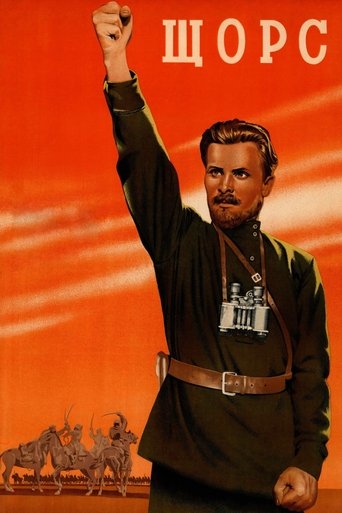
- Stalin Prize (1941) for Shchors
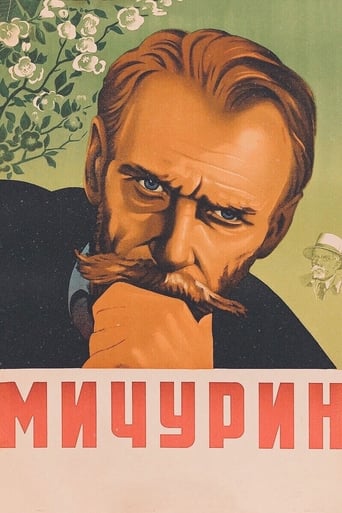
- Stalin Prize (1949) for Michurin
- Order of Lenin
- Order of the Red Banner of Labour
Nominated
- Earth was nominated for inclusion in the first Sight & Sound poll of greatest films (1952)
Special Recognition
- Dovzhenko Film Studios named in his honor (1957)
- Monument erected in Kyiv (1994)
- Ukrainian postage stamp issued in his honor (1994)
- UNESCO included Earth in Memory of the World Register (1994)
Working Relationships
Worked Often With
Studios
Why They Matter
Impact on Culture
Oleksandr Dovzhenko fundamentally transformed Soviet and world cinema through his innovative poetic style and deep engagement with Ukrainian culture. His films, particularly Earth, introduced a new visual language that prioritized lyrical beauty and emotional resonance over straightforward propaganda, challenging the conventions of socialist realism. Dovzhenko's celebration of Ukrainian identity and rural life helped preserve and elevate Ukrainian culture during a period of intense Russification. His influence extended beyond the Soviet Union, inspiring filmmakers worldwide with his unique blend of poetry and politics, nature and ideology. The Dovzhenko Film Studios he helped establish became.
Lasting Legacy
Dovzhenko's legacy as a cinematic poet and cultural revolutionary has only grown stronger since his death. Earth consistently ranks among the greatest films ever made in international polls, and his techniques continue to influence contemporary filmmakers. He is remembered as a pioneer who managed to create deeply personal, artistically ambitious films within the constraints of a totalitarian system. His name has become synonymous with Ukrainian cinema, and the studio bearing his name remains a symbol of artistic resistance and cultural pride. Dovzhenko's ability to find universal themes in specifically Ukrainian experiences has made his work timeless and relevant to audiences worldwide.
Who They Inspired
Dovzhenko's influence on cinema is profound and far-reaching, particularly on filmmakers who seek to blend poetry with political consciousness. Andrei Tarkovsky cited Dovzhenko as a major influence, particularly his use of landscape and spiritual themes. Sergei Parajanov's Shadows of Forgotten Ancestors directly pays homage to Dovzhenko's visual style and Ukrainian themes. International directors from Ingmar Bergman to Terrence Malick have drawn inspiration from his poetic approach to nature and human experience. His techniques of using long takes, symbolic imagery, and rhythmic editing have become part of the cinematic vocabulary, studied in film schools worldwide.
Off Screen
Dovzhenko married Yulia Solntseva, an actress who became his frequent collaborator and later directed films herself. Their marriage was both personal and professional, with Solntseva appearing in several of his films and later completing his unfinished works after his death. The couple had no children of their own but mentored many young filmmakers. Dovzhenko was known for his passionate nature, intellectual curiosity, and deep love for Ukrainian culture and language, which sometimes put him at odds with Soviet authorities who promoted Russian cultural dominance.
Education
Attended Kyiv Commercial Institute (studied economics), later studied at the Leningrad Film School (VGIK)
Family
- Yulia Solntseva (m. 1930-1956)
Did You Know?
- Earth was initially banned in the Soviet Union for being 'too poetic' and not sufficiently ideological
- Dovzhenko originally worked as a cartoonist and journalist before entering film
- His film Arsenal was based on real events from the Ukrainian-Soviet War of 1918
- Dovzhenko was arrested in 1932 during Stalin's purges but was released after influential colleagues intervened
- He was an accomplished painter and his visual art influenced his cinematic style
- Earth was restored in 2012 using original negatives found in archives
- His wife Yulia Solntseva completed his unfinished film Poem About the Sea after his death
- Dovzhenko was one of the few Soviet directors allowed to travel internationally during the 1930s
- He wrote extensively about cinema theory and practice, though many of his writings were unpublished during his lifetime
- The asteroid 3422 Dovzhenko was named in his honor
In Their Own Words
Cinema is the art of creating images that speak directly to the human soul
I want to make films that are like poems, where every frame carries the weight of a line of verse
The earth is our mother, and we are her children - this simple truth is the foundation of all my work
In the face of nature, human conflicts become small, yet our capacity for love and sacrifice becomes infinite
A filmmaker must be both a poet and a historian, capturing the eternal in the temporal
Frequently Asked Questions
Who was Oleksandr Dovzhenko?
Soviet Ukrainian filmmaker and screenwriter, considered. He is best known for his poetic visual style and his 'Ukrainian Trilogy' of films that celebrated Ukrainian culture and rural life while working within the Soviet system.
What films is Oleksandr Dovzhenko best known for?
When was Oleksandr Dovzhenko born and when did he die?
Born September 10, 1894; died November 25, 1956.
What awards did Oleksandr Dovzhenko win?
Dovzhenko received two Stalin Prizes for his films Shchors (1941) and Michurin (1949), as well as prestigious Soviet honors including the Order of Lenin and the Order of the Red Banner of Labour. His film Earth was later recognized by UNESCO and included in the Memory of the World Register.
What was Oleksandr Dovzhenko's directing style?
Dovzhenko's directing style was characterized by poetic lyricism, epic visual compositions, and deep symbolic meaning. He used long takes, natural landscapes as metaphors, and rhythmic editing to create films that were both visually stunning and emotionally profound. His approach blended realism with mythic elements, finding universal themes in Ukrainian rural life.
How did Oleksandr Dovzhenko influence other filmmakers?
Dovzhenko influenced generations of filmmakers including Andrei Tarkovsky, Sergei Parajanov, and international directors like Ingmar Bergman. His poetic approach to cinema, use of landscape, and blend of personal vision with political themes created a template for artistic filmmaking within restrictive systems. The Dovzhenko Film Studios continues his legacy of nurturing cinematic talent.