

Valda Valkyrien
Actor
- Active
- 1912-1916
Films 2
About Valda Valkyrien
Valda Valkyrien was a Danish silent-film actress whose brief screen career took place in the early 1910s, when Scandinavian cinema was attracting international attention for its polished production values and emotionally expressive acting. She is documented in filmography records as appearing in The Great Circus Catastrophe (1912) and Silas Marner (1916), placing her career within the formative years of feature-length silent drama. Like many performers of the period, she worked during a time when screen acting still drew heavily on stage-trained expressiveness, stylized gesture, and strong visual presence rather than spoken dialogue. Surviving public records on her personal life are limited, and many standard biographical details such as exact birth and death information are not readily verifiable from widely available reference sources. Because of this scarcity, she remains a somewhat obscure figure today, known primarily to historians and cataloguers of early European cinema. Her surviving film credits nevertheless place her among the class of early Scandinavian actresses whose work helped define the silent era’s international film culture. Her legacy is preserved mainly through film databases and historical film references rather than through a large extant body of surviving films or mainstream fame.
More about Valda Valkyrien
On screen
No detailed contemporaneous acting reviews specific to Valda Valkyrien are widely documented in readily available reference sources, but as a silent-era actress she would have been expected to rely on expressive facial control, clear physical gesture, and strong compositional awareness. Performers of her period often blended theatrical discipline with the more intimate, camera-aware style that silent film increasingly demanded. Her credited work suggests participation in dramatic and literary material, where emotional clarity and visual legibility were especially important.
In film history
Valda Valkyrien’s cultural impact lies less in mainstream celebrity than in her place within the early development of Scandinavian silent cinema. Actors like her helped shape the performance conventions of the era, when cinema was moving from short novelty films toward more ambitious dramatic and literary works. Her appearance in a title such as Silas Marner suggests participation in the broader international trend of adapting respected literary material for the screen, a key strategy in establishing film as a legitimate art form. Even when individual careers are sparsely documented, these performers collectively contributed to the visual language and prestige of early European film production. Her surviving filmography also serves as evidence of the international circulation of Danish cinema in the 1910s, before later historical memory concentrated mainly on a smaller set of more famous names.
Later reputation
Valda Valkyrien’s lasting legacy is archival and historical rather than celebrity-based. She is remembered as part of the early cohort of silent-film actresses whose work is preserved in catalogs, databases, and film histories, helping researchers map the development of Danish and European cinema. Because so much of early film history is incomplete, even a brief surviving credit list can be significant, and her name provides a trace of a performer otherwise at risk of being lost to history. Her legacy also underscores the fragility of silent-era stardom: many actors were active in important productions, yet only a fraction remain widely known today. For film historians, she represents the type of early screen artist whose contributions are best understood through contextual study of the period rather than through a large surviving film corpus.
Influence
There is no well-documented evidence of a direct influence on later individual actors or directors, but performers from her era collectively influenced the evolution of screen acting by demonstrating how emotion and narrative could be communicated without speech. Early Danish and Scandinavian silent films helped establish performance norms that emphasized restraint, clarity, and visual sophistication, and actresses like Valda Valkyrien were part of that process. Her work in literary adaptation also reflects the early cinema tradition that would later become a standard route for prestige filmmaking. In that broader sense, her influence is indirect but real, embedded in the development of silent-film acting practices and European film culture.
Off screen
Very little reliable biographical information about Valda Valkyrien's personal life is readily available in major public reference sources. Her birth name, family background, marital history, and later life are not clearly established in the accessible historical record. Like many early silent-era performers, she appears in filmographies more prominently than in surviving biographical documentation, which makes it difficult to reconstruct her private life with confidence. No well-attested information about marriages or children could be verified from the sources associated with her screen credits.
Education
No verifiable educational background is readily available in the surviving public record for this performer.
Credits
- Appeared in the early silent film The Great Circus Catastrophe (1912), one of the few surviving documented credits associated with her name
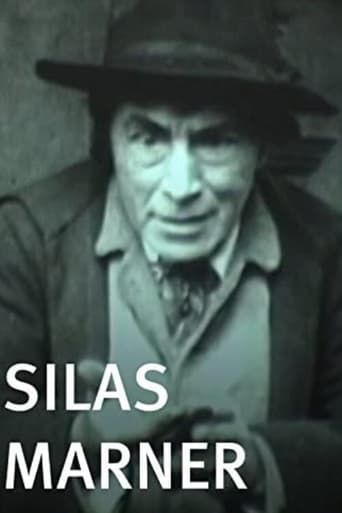
- Credited in a screen adaptation of Silas Marner (1916), connecting her to literary cinema in the silent era
- Worked during the formative period of Danish and European silent cinema, when international distribution and artistic prestige were rapidly expanding
- Represents the generation of early film performers whose careers are preserved chiefly through incomplete archival records and filmographic databases
- Contributed to the visual storytelling style of pre-synchronized sound cinema through performance rather than dialogue
Roles
- Role in The Great Circus Catastrophe (1912)
- Role in Silas Marner (1916)
Films
- The Great Circus Catastrophe (1912)
- Silas Marner (1916)
Collaborators
- Specific frequent collaborators are not well documented in the accessible record
Studios
- Danish silent-film production companies of the early 1910s
Notes
- Her screen career, as currently documented, spans only a small number of years, which is common for many silent-era performers whose records survive only partially.
- She is associated with early Danish cinema, a national film tradition that had a major international reputation in the 1910s.
- One of her known credits is Silas Marner (1916), linking her to a literary adaptation of George Eliot's novel.
- She is the kind of performer who often appears in film history through surviving credits rather than through extensive biographical profiles.
- Her name is preserved in filmographic records even though basic life details such as birth and death dates remain difficult to verify.
- As a silent-era actor, her performances would have relied entirely on physical expression and visual storytelling.
- Her documented career falls entirely before the widespread dominance of synchronized sound cinema.
- She is an example of how many early European film artists remain important to historians even when little biographical material survives.
Questions
Who was Valda Valkyrien?
Valda Valkyrien was a Danish silent-film actress active in the early 1910s. She is chiefly known today through surviving film credits rather than extensive biographical documentation, with documented appearances in The Great Circus Catastrophe (1912) and Silas Marner (1916).
What films is Valda Valkyrien best known for?
Her best-documented screen credits are The Great Circus Catastrophe (1912) and Silas Marner (1916). These titles place her firmly in the silent era and suggest work in early dramatic and literary film production.
When was Valda Valkyrien born and when did she die?
Her exact birth and death dates are not readily verifiable in widely accessible reference sources. As a result, both details remain uncertain in the public historical record currently available.
What awards did Valda Valkyrien win?
No awards or formal honors are known from the accessible record for Valda Valkyrien. This is not unusual for early silent-era performers, especially those whose careers were brief and whose documentation is incomplete.
What was Valda Valkyrien's acting style?
Specific contemporary commentary on her acting is not widely preserved, but as a silent-era actress she would have used expressive facial work, gesture, and body language to convey character and emotion. That style was essential in early film, especially in dramatic and literary adaptations.
What is Valda Valkyrien's legacy in film history?
Her legacy is that of an early Danish silent-film performer whose name survives in historical film records. She helps illustrate the breadth of Scandinavian cinema in the 1910s and the many artists whose contributions are remembered mainly through archival filmography.