Silas Marner
Plot
In this 1916 silent adaptation of George Eliot's novel, Silas Marner is a respected and kind-hearted weaver whose life is shattered when he is falsely accused of murder and robbery. Driven from his community, he retreats to the village of Raveloe and lives for years as a lonely miser, hoarding gold in place of human trust. His bleak existence is transformed when a small orphaned girl, Eppie, wanders into his life and becomes the center of his affections. As Silas learns to love and reconnect with others, the film follows the gradual restoration of his humanity and the revelation of the true circumstances surrounding his old disgrace. The story concludes with the triumph of family, forgiveness, and moral renewal, key themes that made the novel such a durable favorite for screen adaptation.
About the Production
This was a major Thanhouser production for its time and was originally released as a seven-reel feature, which made it a substantial undertaking in the early feature-film era. A shortened three-reel re-release survives, meaning that the version available today is incomplete relative to the original release and reflects the common practice of trimming long silent features for later circulation. The film was adapted from George Eliot's much-loved 1861 novel and was mounted as a prestige literary picture, a type of project Thanhouser frequently pursued to elevate its reputation. Ernest C. Warde, a stage veteran and the father of lead actor Frederick Warde, directed the production, which likely benefited from the theatrical experience of the Warde family in handling classical material.
Historical Background
The film was made in 1916, a transformative year in world history and in the American film industry. Globally, World War I was reshaping politics, culture, and public consciousness, while the United States was still neutral and the domestic film market was booming as studios expanded feature production. In cinema, the 1910s saw the consolidation of feature-length narrative film as the dominant form, and literary adaptations like Silas Marner helped legitimize movies as a respectable art and entertainment medium. Thanhouser, like several American studios, used well-known novels to appeal to audiences who valued moral seriousness and familiar classic literature. The film also reflects an era when silent cinema regularly turned to stories of suffering, domestic redemption, and social virtue, themes that resonated with audiences navigating rapid modernization and social change.
Why This Film Matters
Silas Marner is culturally significant as an early example of the American feature-film adaptation of canonical literature, demonstrating how silent cinema could translate a psychologically rich Victorian novel into visual storytelling. Its survival in truncated form makes it valuable to archivists and historians studying lost and incomplete films, distribution practices, and the fragility of nitrate-era preservation. The film also represents Thanhouser's contribution to elevating feature production during the 1910s, when studios competed not only on spectacle but on literary prestige and respectability. More broadly, adaptations of George Eliot helped popularize her work for audiences who may never have read the novel, reinforcing the film industry's role in shaping public familiarity with the literary canon. The presence of stage-trained performers such as Frederick Warde further shows the close relationship between theatre and early cinema, especially in prestige productions.
Making Of
Silas Marner was produced during a period when Thanhouser was known for tasteful, literary-minded films that leaned on established stories and respected performers. Casting Frederick Warde in the title role was a smart prestige move, as he brought serious stage credentials and name recognition to the production, while director Ernest C. Warde could shape the material with a theatrical sensibility suited to a moral Victorian drama. The father-son connection likely added a strong collaborative dynamic, especially in a story that depends on emotional restraint, sorrow, and gradual redemption. Like many silent features of the period, the film would have depended heavily on expressive acting, carefully arranged tableaux, and intertitles to convey the novel's psychological and moral dimensions. The fact that the surviving print is only a three-reel re-release suggests that the original seven-reel cut was later condensed for distribution or preservation, a common fate for silent features whose full-length negatives and prints were often discarded or lost.
Visual Style
The film's cinematography would have followed the conventions of mid-1910s silent drama, emphasizing clear staging, legible compositions, and strong facial expression to communicate emotional shifts. As a literary feature, it likely used carefully composed tableaux and medium shots to anchor the characters in recognizable domestic and rural spaces, supporting the story's rural English atmosphere. Because the surviving version is incomplete, only part of the visual style can be directly assessed from extant material, but Thanhouser productions of this period generally favored orderly, intelligible presentation over flamboyant camerawork. The emphasis would have been on storytelling clarity, period mood, and the contrast between Silas's lonely interior life and the warmth of his later domestic happiness with Eppie.
Innovations
The film's most notable accomplishment was its feature-length scale in an era when longer literary adaptations were helping standardize the American feature film. While not known for groundbreaking special effects or camera tricks, it demonstrates the increasingly sophisticated ability of silent cinema to compress a complex novel into visual narrative. Its survival as a shortened re-release also makes it important for restoration studies, since it illustrates how films were recut and redistributed in the silent era. The production's value lies in its adaptation strategy, stage-derived performance style, and the industrial transition from short subjects to prestige features.
Music
As a silent film, Silas Marner had no synchronized recorded soundtrack. It would originally have been accompanied in theaters by live music, typically a pianist, organist, or small ensemble depending on venue and budget, with cue selections shaped to match the drama and sentiment of the story. No original score has been definitively documented in the surviving record. Present-day screenings of the film, when available, may use modern accompaniment created for archival presentation.
Memorable Scenes
- Silas's transformation from a trusted community member into a lonely outcast after the false accusation and betrayal that destroy his life.
- The scene in which the orphaned child Eppie enters Silas's home and gradually awakens his capacity for love and care.
- The later domestic scenes showing Silas learning to value human connection more than the gold he once hoarded.
- The emotional resolution in which the mystery of the old accusation is finally clarified and Silas's reputation is restored.
Did You Know?
- The film is a silent adaptation of George Eliot's novel Silas Marner: The Weaver of Raveloe, one of the most frequently filmed works of Victorian literature.
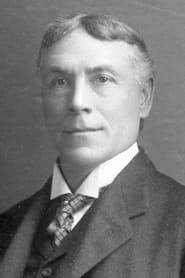
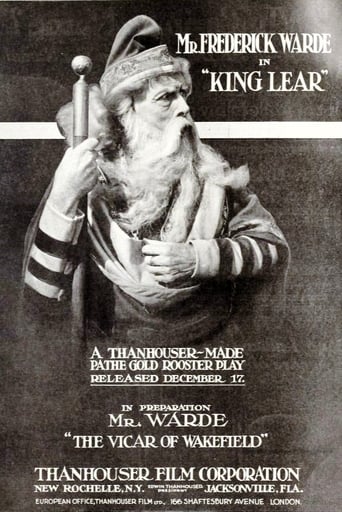
- Ernest C. Warde directed the film, while his father, Frederick Warde, played the title role, making it a notable father-son collaboration.
- Frederick Warde was a prominent Shakespearean and stage actor, and his casting gave the production a strongly theatrical prestige.
- The film was originally released in seven reels, but only a three-reel re-release survives, making it an incomplete survivor from the silent era.
- The preserved material is important to film historians because it offers a rare glimpse into Thanhouser's feature-length literary productions during the mid-1910s.
- As with many silent-era literary adaptations, the film likely relied on intertitles and expressive pantomime rather than elaborate special effects or dialogue-driven scenes.
- The story's transformation from social outcast to loving guardian made it a favorite subject for moral and sentimental screen adaptation in early cinema.
- The film belongs to the period when American studios were moving decisively toward feature-length storytelling instead of short reels.
- Because the surviving version is shortened, modern viewers are seeing only part of what original audiences experienced in 1916.
- The film is associated with the Thanhouser Company's broader strategy of adapting well-known literary works to attract middle-class audiences and exhibitors.
What Critics Said
Specific contemporary reviews are not widely documented in the surviving record, but the film was likely received as a respectable literary adaptation in line with Thanhouser's prestige output. At the time, such films were often appraised for fidelity to source material, the dignity of their performances, and their moral tone rather than for cinematic experimentation alone. Modern critical interest is largely historical and archival: the film is valued less for being a widely seen classic than for what it reveals about 1910s feature production and the adaptation of major novels. Its incomplete survival also shapes present-day assessment, since the existing material cannot fully represent the original pacing, structure, or dramatic weight of the seven-reel release.
What Audiences Thought
Contemporary audience reception is not extensively recorded, but the film would have appealed to silent-era viewers drawn to familiar literary stories and emotionally earnest dramas. George Eliot's novel was already well known, and the film's themes of injustice, isolation, and redeemed parenthood would have been accessible to broad audiences. The original seven-reel release suggests that exhibitors and viewers were expected to engage with a comparatively long, substantial feature, indicating confidence in the story's drawing power. Today, audience reception is limited to historians, collectors, and silent-film enthusiasts who encounter the surviving fragments as a rare archival artifact rather than a commonly screened title.
Film Connections
Influenced By
- Silas Marner: The Weaver of Raveloe by George Eliot
- Victorian melodrama
- Stage adaptations of classic literature
- Early prestige features from Thanhouser
This Film Influenced
- Later screen adaptations of Silas Marner
- Silent-era literary adaptation cycles
- Prestige costume dramas in American cinema
You Might Also Like
More Drama Films
View allMore from Ernest C. Warde
View allFilm Restoration
Partially preserved. The original seven-reel version is not known to survive in full, but a shortened three-reel re-release survives and is the version referenced by modern archives and databases.