Films
5 films
About Thomas A. Curran
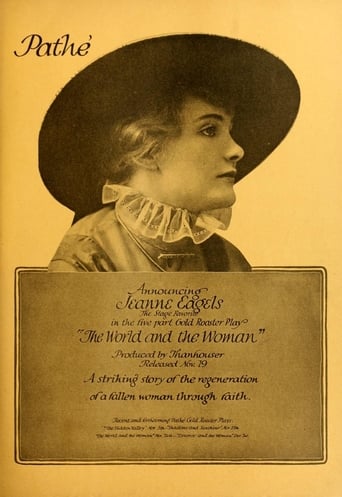
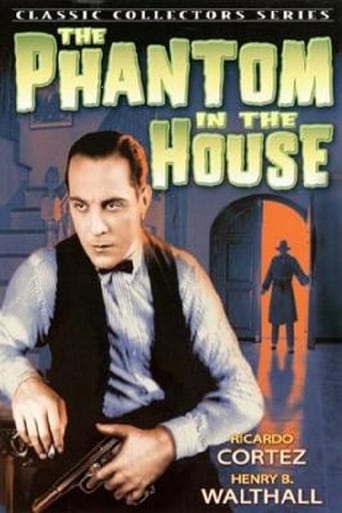
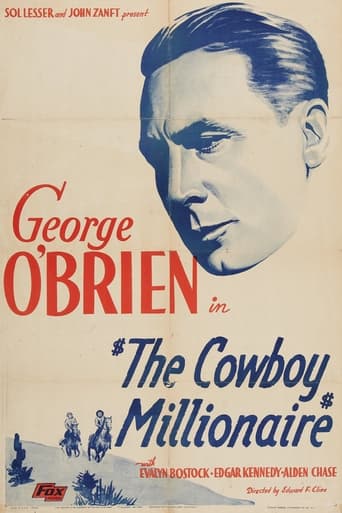
American character actor who worked during the silent film era and successfully transitioned into early sound films. Active from 1916 to 1935, during which he appeared in numerous productions, often in supporting or minor roles that were essential to the studio system of the time. Curran demonstrated the adaptability required to survive the dramatic transition from silent cinema to talkies in the late 1920s, a period when many actors found their careers ending. Thomas appears alongside established stars such as Theda Bara in 'The World and the Woman' (1916), suggesting he was a reliable professional actor within the Hollywood studio system. Like many character actors of his era, Curran specialized in portraying various types that supported the main narratives of films, bringing authenticity and depth to every role regardless of size. His final known film appearance was in 'The Cowboy Millionaire' in 1935, marking the end of his nearly two-decade career in motion pictures during one of cinema's most transformative periods.
The Craft
On Screen
Character with credits in this catalog. His style evolved from the more theatrical approach required in silent cinema to the more naturalistic acting demanded by sound pictures, demonstrating the versatility needed to survive in the changing industry. Curran specialized in portraying various character types that served the narrative needs of each production, bringing professionalism and consistency to every role. Like many working actors of his generation, he understood the importance of supporting the story rather than drawing attention to himself, making him a valuable asset to directors and producers.
Milestones
- Appeared in 'The World and the Woman' (1916) starring Theda Bara
- Successfully transitioned from silent films to talkies
- Maintained steady employment as a character actor for nearly 20 years
- Appeared in early sound film 'The Phantom in the House' (1929)
- Final film appearance in 'The Cowboy Millionaire' (1935)
Best Known For
Iconic Roles
Must-See Films
Working Relationships
Worked Often With
Studios
Why They Matter
Impact on Culture
Thomas A. Curran represents the thousands of working character actors who were essential to Hollywood's studio system during the silent and early sound eras. While never achieving stardom, actors like Curran provided the professional reliability and versatility that allowed studios to produce films efficiently and consistently. His career trajectory, spanning the pivotal transition from silent to sound films, exemplifies the adaptability required of actors during this revolutionary period in cinema history. Curran and his fellow character actors created the supporting performances that gave classic films their depth and authenticity, often serving as the foundation upon which star performances could shine.
Lasting Legacy
Thomas A. Curran's legacy lies in his contribution to the golden age of Hollywood as one of the countless character actors who made the studio system function effectively. His nearly two-decade career, spanning the transformative period from silent films through the advent of sound, demonstrates the professionalism and adaptability that characterized the best supporting actors of his era. While individual films featuring Curran may not be widely remembered today, his work survives as part of the historical record of American cinema's formative years, representing the unsung heroes of Hollywood's golden age. For film historians and classic cinema enthusiasts, Curran embodies the dedication and craft of the working actors who were essential to creating the magic of classic Hollywood.
Who They Inspired
As a character actor rather than a star, Thomas A. Curran's influence was primarily through his professional example rather than through direct mentorship of other performers. His longevity during a period of tremendous technological change in the film industry demonstrated the value of adaptability and reliability for actors seeking sustained careers. Curran's approach to character work—focusing on authenticity and service to the story rather than personal stardom—provided a model for subsequent generations of character actors who would follow similar career paths in Hollywood. His ability to transition successfully between silent and sound films served as an example of professional resilience in an industry known for its volatility.
Off Screen
Very little documented information is available about Thomas A. Curran's personal life, which was common for character actors of his era who did not achieve star status. Like many supporting actors from the silent and early sound period, he maintained a private life away from the public eye, focusing on his craft rather than celebrity. The lack of extensive biographical records about Curran is typical of the thousands of working actors who formed the backbone of Hollywood's studio system but never achieved widespread fame. This privacy allowed him to maintain a professional career without the pressures and scrutiny that major stars faced.
Did You Know?
- Successfully transitioned from silent films to talkies, a significant achievement during this transitional period when many actors' careers ended
- Appeared in 'The World and the Woman' (1916) alongside silent film superstar Theda Bara at the height of her fame
- His active years covered nearly 20 years during
- Like many character actors of his era, he frequently appeared in supporting or minor roles that were crucial to film narratives
- Worked consistently through the silent era into the early sound period, demonstrating remarkable adaptability
- His final known film appearance was in 1935's 'The Cowboy Millionaire', marking nearly two decades in the business
- Represented the type of reliable professional actor that studio systems depended upon for their efficient production
- Limited biographical information survives about him, typical of character actors of his era who never achieved star status
- Appeared in films across multiple genres, demonstrating the versatility required of working actors in the studio system
- His career longevity during the silent-to-sound transition suggests he had significant technical skill and adaptability
Frequently Asked Questions
Who was Thomas A. Curran?
American character with credits in this catalog. He appeared in numerous films, often in supporting roles, and successfully transitioned from silent pictures to talkies, demonstrating the adaptability required during this transformative period in cinema.
What films is Thomas A. Curran best known for?
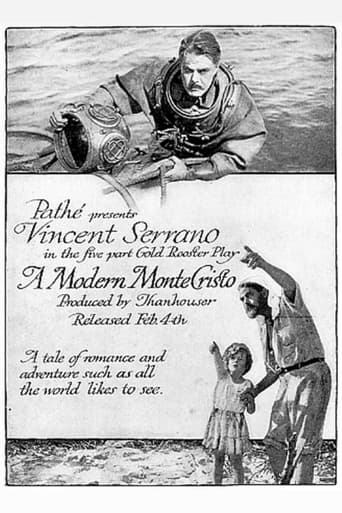
Titles linked here include The World and the Woman (1916), A Modern Monte Cristo (1917).
When was Thomas A. Curran active in films?
Thomas A. Curran was active as an actor from 1916 to 1935, spanning nearly two decades that covered the silent era, the transition to sound, and the early years of talking pictures in Hollywood.
What type of roles did Thomas A. Curran typically play?
Curran — character actor who appeared in supporting and minor roles in various films. Like many character actors of his era, he played different types that supported the main narratives of the productions, often portraying authority figures and professionals.
What is Thomas A. Curran's significance in film history?
Curran represents the thousands of professional character actors who formed the backbone of Hollywood's studio system. His ability to transition successfully from silent films to talkies demonstrates the adaptability required of actors during this transformative period in cinema history, and his career exemplifies the important supporting roles that helped create classic Hollywood films.