
Louise Bates
Actor
- Active
- 1916-1916
Films 1
About Louise Bates
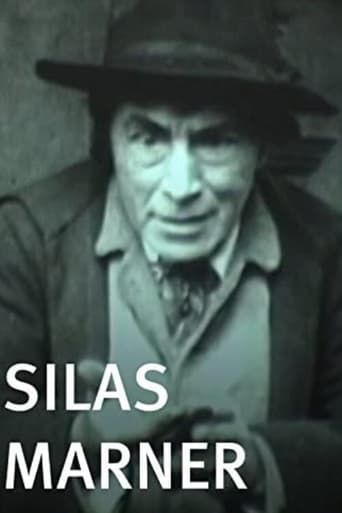
Louise Bates is a very obscure early American screen performer whose documented film career, as far as surviving standard film references show, is limited to the silent-era production Silas Marner (1916). She appears in the historical record as an actor credited in that film, but detailed biographical information such as her birth date, birthplace, family background, training, and later life has not survived in commonly accessible sources. Because her screen work is so sparsely documented, she is best understood as one of the many early film performers whose contributions were part of the formative years of American cinema yet were not preserved in the way later studio-era stars were. Her known activity falls squarely within the silent era, when cast lists were often incomplete and many performers worked briefly or uncredited across stage and screen. No reliable evidence currently identifies her with a larger body of surviving film work beyond the 1916 adaptation of Silas Marner. As a result, Louise Bates remains a little-documented figure whose significance lies mainly in her presence within one of the many literary adaptations produced during early feature filmmaking. Any fuller reconstruction of her life would likely require archival research in trade papers, studio records, theater programs, or local historical sources.
More about Louise Bates
In film history
Louise Bates's cultural impact is difficult to measure because so little has survived about her career beyond a single known screen credit. Even so, she is part of the broader historical fabric of early American cinema, when hundreds of actors contributed to the growth of the feature film without becoming widely documented stars. Her presence in Silas Marner (1916) connects her to the early practice of adapting major literary works for the screen, a trend that helped legitimize motion pictures as a serious narrative medium. While she did not leave behind a widely recognized star persona, her name survives as evidence of the many performers whose labor helped build silent-era film production. For historians, figures like Bates are important because they illustrate how incomplete the archival record of early cinema can be. Her case also underscores the fragility of film history: many working actors of the 1910s are now known only by a single credit or a brief mention in secondary references.
Later reputation
Louise Bates's legacy is primarily archival rather than celebrity-based. She stands as one of the many early screen actors whose careers were not comprehensively preserved, making her representative of an entire category of silent-era film labor that is often overlooked. Her surviving credit in Silas Marner (1916) ensures that her name remains attached to the history of early literary adaptation in American cinema. In film history terms, her importance lies in the documentation of participation, reminding researchers that the silent era was built not only by famous directors and stars but also by many lesser-known performers. Her legacy is therefore one of historical presence within a medium still defining its vocabulary and industry structure. For movie databases and archival catalogues, preserving her name helps maintain a more complete record of silent-film personnel.
Influence
There is no documented evidence that Louise Bates directly influenced later actors or filmmakers in a traceable, named way. Her broader influence is indirect: as part of the silent-era workforce, she contributed to the performance culture that shaped early screen acting conventions, including expressive gesture, visual clarity, and adaptation of stage-derived roles. Actors like Bates helped establish the everyday professional standards of early film production, even when their individual styles were not preserved in reviews or surviving footage. In that sense, her influence is embedded in the collective development of silent cinema rather than in a documented personal lineage. Historians may still view her as part of the generation that made early feature production possible through supporting performances and ensemble work.
Off screen
No reliable biographical records currently available in standard film reference sources provide confirmed information about Louise Bates's personal life. Her marriages, family background, residence, and activities outside of film are not documented in the sources typically used for classic cinema research. Because of the extreme scarcity of surviving information, any claims about her personal relationships or later life would be speculative. She should therefore be treated as a largely undocumented early-screen performer until archival evidence emerges.
Credits
- Appeared in the silent film Silas Marner (1916), one of the few surviving credits associated with her name
- Worked during the formative period of American feature filmmaking in the silent era
- Represents the many early screen performers whose careers are only partially preserved in film records
Roles
- Role in Silas Marner (1916)
Films
- Silas Marner (1916)
Notes
- Louise Bates is currently known almost entirely from her credit in Silas Marner (1916).
- Her surviving record is typical of many silent-era performers whose careers were only lightly documented.
- No widely accessible standard reference currently confirms her birth or death details.
- She belongs to the period when film credits were not always consistently preserved, especially for supporting players.
- Her known work is associated with a literary adaptation, a common and important genre in early feature filmmaking.
- Because of the scarcity of records, she is often the kind of figure researchers must trace through trade publications, studio paperwork, or newspaper archives rather than modern biographies.
Questions
Who was Louise Bates?
Louise Bates was an early silent-era film actor known primarily for appearing in Silas Marner (1916). Very little verified biographical information about her survives in standard film references, so she remains an obscure but historically real figure from the formative years of American cinema.
What films is Louise Bates best known for?
She is best known for Silas Marner (1916), which is the main surviving screen credit associated with her name. At present, no other widely documented film titles are securely attached to her in standard accessible sources.
When was Louise Bates born and when did she die?
Her birth and death dates are not currently confirmed in the available standard references used for classic film research. Likewise, her birthplace and later-life details have not been reliably documented.
What awards did Louise Bates win?
No awards or nominations are currently documented for Louise Bates. This is not unusual for performers from the silent era, especially those whose careers are only partially preserved in the historical record.
What was Louise Bates's acting style?
No detailed critical description of her acting style survives in the available record. Since she worked in the silent era, her performance would have relied on the expressive, visually legible style common to early screen acting, but specific assessments of her technique are not documented.
What is Louise Bates's legacy in film history?
Her legacy is mainly archival: she is one of many early film performers whose names survive even though their full careers do not. Her credit in a 1916 adaptation helps preserve the broader history of silent cinema and reminds researchers how incomplete early film documentation can be.