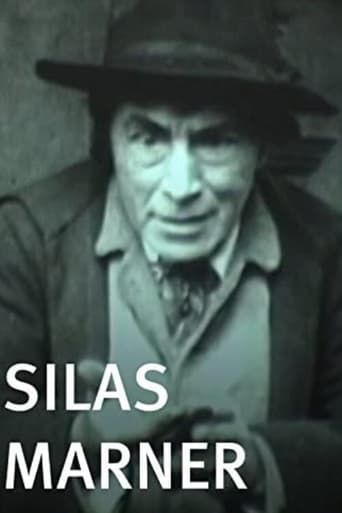
Frank McNish
Actor
- Active
- 1916-1916
Films 1
About Frank McNish
Frank McNish is a very obscure early screen actor whose surviving documented film credit places him in the silent feature Silas Marner (1916), a period when many stage and local performers were drawn into motion pictures for one or a handful of roles. Beyond this credit, reliable biographical information about McNish is extremely sparse in surviving film reference sources, which is typical for many minor performers from the silent era whose careers were only lightly recorded. He appears to have been active, at least on record, in 1916 and may have worked in either theatrical or regional film production before disappearing from readily accessible historical documentation. Because no authoritative contemporary biographical profile has been confirmed in the sources available here, details such as his birth date, birthplace, family background, education, and later life remain unknown. His significance to film history lies less in a large surviving body of work than in his presence within the cast record of an early literary adaptation, which helps illuminate the wide and often anonymous labor force of silent-era production. For researchers and database users, McNish represents the many performers whose contributions survive chiefly through cast lists, trade papers, and fragmentary archival records rather than through preserved fame. He should therefore be understood as a documented but still under-researched participant in early American cinema rather than a widely profiled star.
More about Frank McNish
In film history
Frank McNish’s cultural impact is best understood as part of the broader, often invisible workforce that made early feature filmmaking possible. While he is not known to have been a marquee name or a publicly celebrated artist, his credit in Silas Marner (1916) places him inside the formative era when American cinema was rapidly adapting major literary works for the screen. Performers like McNish helped establish the ensemble realism and narrative support necessary for silent adaptation, even when the historical record preserved only a fraction of their identities. In film history terms, such names are valuable because they complete the archival picture of a production and help scholars reconstruct casting practices, labor networks, and regional performance circles of the 1910s.
Later reputation
McNish’s legacy is archival rather than celebrity-based: he survives in film history as a documented participant in a silent feature whose cast list contributes to the broader record of early cinema. For database purposes, his importance lies in preserving the completeness of silent-film personnel data, especially for productions where surviving prints, lobby material, or trade-paper notices may be limited. He also illustrates how many early screen actors entered and exited the medium with little lasting publicity, making each surviving credit an important historical clue. In that sense, his name remains a small but meaningful part of the silent-era record.
Influence
No direct influence on later actors or directors can be verified from the available evidence. However, as part of the silent-era cast ecosystem, performers like McNish contributed to the performance conventions of early screen acting: restrained physical expression, clear gesture, and support for story-driven ensemble work. His presence in a literary adaptation also reflects the casting needs that influenced later silent and early sound filmmakers who continued to rely on stage-trained or otherwise experienced character players.
Off screen
No reliably documented personal-life information has been confirmed for Frank McNish in the available classic-cinema reference record. His marriages, family background, residence, and later years are not presently established from accessible sources. Like many minor silent-era performers, he may have left behind few public traces outside of film credits and trade listings.
Credits
- Appeared in the silent film Silas Marner (1916), an early screen adaptation of George Eliot’s celebrated novel
- Represents the class of lesser-documented silent-era performers whose work survives primarily in cast records rather than extended biographies
- Participated in one of the many literary adaptations that shaped early feature-film storytelling in the 1910s
Roles
- Cast member in Silas Marner (1916)
Films
- Silas Marner (1916)
Notes
- Frank McNish is documented in connection with only one known film credit in the available record: Silas Marner (1916).
- He is an example of a silent-era performer whose biography is largely lost to history even though a film credit survives.
- Because of the era in which he worked, it is possible that additional stage or uncredited screen appearances may exist in archival sources not yet widely indexed.
- His known film is an adaptation of George Eliot’s famous novel, placing him in the early tradition of prestige literary cinema.
- The scarcity of surviving information about him is common for many minor actors working in the 1910s, when documentation was less comprehensive than in later studio eras.
- Research on McNish may require consultation of original trade publications, studio records, and contemporaneous cast lists rather than modern celebrity databases.
Questions
Who was Frank McNish?
Frank McNish was a very obscure silent-era actor known from the surviving record of his appearance in Silas Marner (1916). He does not appear to have left behind a substantial documented public biography, which is common for many early film performers. His historical significance comes from his participation in early feature filmmaking rather than from stardom.
What films is Frank McNish best known for?
He is best known for Silas Marner (1916), the only film credit clearly associated with him in the available record. If he worked in additional productions, they are not presently confirmed in the accessible classic-cinema sources used here.
When was Frank McNish born and when did he die?
His birth date, birth place, and death date are not currently verified in the accessible record. Many silent-era bit players and supporting actors were not consistently documented in later reference sources. For that reason, his life dates remain unknown here.
What awards did Frank McNish win?
No awards or nominations have been verified for Frank McNish. He appears to have been a working actor from the silent era whose recorded legacy is tied to a single surviving film credit rather than major industry honors.
What was Frank McNish's acting style?
No direct critical descriptions of his acting style have been confirmed. Since he worked in silent cinema, his performance would have relied on the expressive physical and facial techniques typical of the era, but any more specific characterization would be speculative.
What is Frank McNish's legacy in film history?
His legacy is primarily archival: he is one of the many early film performers whose names survive in cast lists and production records. That makes him important to historians trying to reconstruct the personnel and performance culture of the silent era. Even a single confirmed credit helps preserve the completeness of film history.