Films
1 film
About Dick La Reno
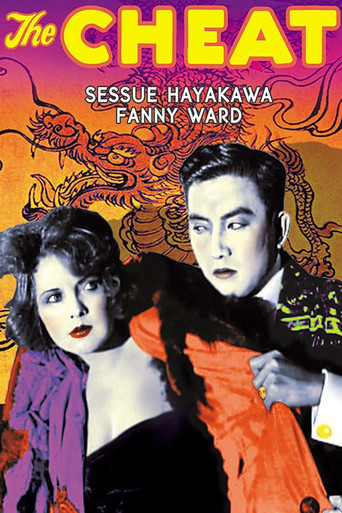
Silent film actor who had an exceptionally brief but notable career during the early years of American cinema. His entire known filmography consists of work completed in the year 1915, placing him firmly in the transitional period of cinema's evolution from short subjects to feature-length narratives. La Reno appeared in Cecil B. DeMille's controversial and influential film 'The Cheat' (1915), which was considered quite daring for its time due to its themes of adultery, gambling addiction, and interracial tension. The film was a commercial success and helped establish DeMille as a major director in Hollywood. La Reno's role, while not the lead, contributed to this important work of early cinema that showcased the medium's growing sophistication in storytelling and visual technique. Despite his brief time in the industry, La Reno's participation in such a significant film places him within the historical narrative of American silent cinema's development.
The Craft
Milestones
- Appeared in Cecil B. DeMille's 'The Cheat' (1915)
- Participated in early Hollywood's transition to feature films
Best Known For
Iconic Roles
Must-See Films
Working Relationships
Worked Often With
Studios
Why They Matter
Impact on Culture
Dick La Reno's cultural impact is primarily tied to his participation in 'The Cheat' (1915), a film that was considered groundbreaking and controversial for its time. The film addressed themes of moral corruption, gambling addiction, and featured an interracial element that was considered highly provocative in 1915. 'The Cheat' was both a critical and commercial success, helping to establish Cecil B. DeMille as a major director and showcasing the potential of cinema as a medium for mature, complex storytelling. While La Reno's individual contribution was that of a supporting player, his involvement in this culturally significant work places him within the broader narrative of early American cinema's evolution.
Lasting Legacy
Dick La Reno's legacy is that of a representative figure from the earliest days of Hollywood's studio system - actors whose names may be forgotten but whose work contributed to important films that shaped the medium's development. His brief career, centered around 1915, places him at a crucial moment when cinema was transitioning from short novelty films to sophisticated feature-length narratives. While he may not have achieved lasting fame, his participation in 'The Cheat' ensures his place in film history as part of a production that influenced cinematic techniques and thematic approaches for years to come.
Who They Inspired
Given his brief career and supporting roles, Dick La Reno's direct influence on other actors or filmmakers appears to have been limited. However, as part of the ensemble of 'The Cheat,' he contributed to a film that influenced cinematic storytelling techniques and demonstrated the commercial viability of more mature, controversial themes in mainstream cinema. The film's success helped pave the way for more sophisticated narrative films in Hollywood, indirectly influencing countless future filmmakers and actors who would build upon these early foundations of American cinema.
Off Screen
Very little is documented about Dick La Reno's personal life, which is not uncommon for actors of the silent era who had brief careers or primarily played supporting roles. Like many performers of this period, his life story remains largely undocumented in film histories, with his legacy resting primarily on his participation in significant films rather than on detailed biographical information.
Did You Know?
- Dick La Reno's entire known film active years covered only one year - 1915
- He appeared in 'The Cheat,' which was considered highly controversial for its depiction of an interracial relationship
- The film was one of Cecil B. DeMille's early successes and helped establish his reputation
- Despite the film's notoriety, La Reno did not appear in any other known films
- Like many supporting actors of the silent era, little biographical information about him survives
- The Cheat was selected for preservation in the National Film Registry in 1993
- The film was remade multiple times, including a 1923 version and a 1931 version
- La Reno worked during the transitional period when Hollywood was becoming the center of American film production
Frequently Asked Questions
Who was Dick La Reno?
Silent film with credits in this catalog. DeMille's controversial film 'The Cheat.' Like many supporting actors of the early silent era, little biographical information about him survives today.
What films is Dick La Reno best known for?
Titles linked here include The Cheat (1915).
When was Dick La Reno born and when did he die?
Unfortunately, Dick La Reno's birth and death dates are not documented in available historical records. This is common for many supporting actors from the earliest days of cinema whose personal information was not preserved in film histories.
What awards did Dick La Reno win?
Dick La Reno did not receive any known awards or nominations during his brief acting career. The Academy Awards were not established until 1929, well after his known period of activity in 1915.
What was Dick La Reno's acting style?
Specific details about Dick La Reno's acting style are not documented in available sources. As a supporting actor in the silent era, he would have used the exaggerated gestures and facial expressions typical of silent film performance to convey emotion and character.
Why is 'The Cheat' (1915) historically significant?
'The Cheat' is historically significant as one of Cecil B. DeMille's early successes and for its controversial themes including gambling addiction, adultery, and interracial tension. The film was both a commercial and critical success that helped establish DeMille as a major director and demonstrated cinema's potential for mature storytelling.