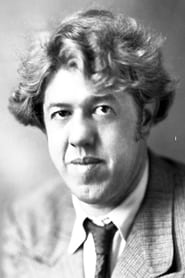
Michel Simon
Actor
Born: April 9, 1895 in Geneva, Switzerland Died: May 30, 1975 Active: 1924-1970 Birth Name: François Joseph Simon
Films
1 film
About Michel Simon
Michel Simon, born François Joseph Simon, was transformative and leading actors in French cinema history. Born in Geneva, Switzerland, he began his diverse career as a boxer, painter, and music hall performer before discovering his passion for acting. His film debut came in 1928 with La Petite Marchande d'allumettes, quickly establishing him as a remarkable character actor capable of extraordinary physical and emotional transformations. Simon's collaboration with visionary directors like Jean Renoir, Jean Vigo, and Marcel Carné resulted in some of the most celebrated films of French cinema's golden age. His breakthrough role as the tramp Boudu in Renoir's Boudu Saved from Drowning (1932) showcased his unique ability to bring humanity to society's outcasts. Throughout his nearly five-decade career, Simon continued to push the boundaries of character acting, culminating in his award-winning performance in The Two of Us (1967). His dedication to complete character immersion, often involving dramatic weight changes and method preparation, set new standards for realistic performance in cinema.
The Craft
On Screen
Michel Simon pioneered a method-like approach to character acting that was decades ahead of its time. He was renowned for his complete physical transformations, often gaining or losing 30-40 pounds for roles, altering his posture, voice, and entire physical presence to inhabit his characters. His style combined naturalistic realism with theatrical expressiveness, allowing him to portray both tragic and comic figures with equal authenticity. Simon was particularly adept at playing marginalized characters, bringing profound depth and humanity to society's outcasts, eccentrics, and working-class heroes. His performances featured a raw, almost documentary-like authenticity that influenced the development of poetic realism and later the French New Wave.
Milestones
- Film debut in La Petite Marchande d'allumettes (1928)
- Breakthrough role in Boudu Saved from Drowning (1932)
- Iconic performance as Père Jules in L'Atalante (1934)
- Collaboration with Jean Renoir on La Grande Illusion (1937)
- Memorable role in Port of Shadows (1938)
- Late career triumph with The Two of Us (1967) winning Volpi Cup
Best Known For
Iconic Roles
Must-See Films
Accolades
Won
- Volpi Cup for Best Actor (Venice Film Festival) for The Two of Us (1967)
Nominated
- Multiple award nominations throughout his career including BAFTA nominations
Special Recognition
- Commander of the Legion of Honour (1973)
- Honorary César Award (posthumously)
- Considered one of the greatest actors in French cinema history by the French Cinémathèque
Working Relationships
Worked Often With
Studios
Why They Matter
Impact on Culture
Michel Simon revolutionized French cinema through his unprecedented commitment to psychological realism and character transformation. His performances helped establish the foundation for modern character acting in French film, directly influencing the development of poetic realism and the French New Wave movements. Simon's ability to portray society's outcasts with dignity and complexity expanded the range of acceptable protagonists in French cinema, challenging conventional notions of heroism and beauty. His work with visionary directors like Renoir and Vigo helped define the golden age of French cinema, creating a template for ensemble acting that would influence filmmakers worldwide. His dedication to craft over celebrity set a standard for artistic integrity that continues to inspire actors today, while his method-like approach prefigured later developments in acting technique.
Lasting Legacy
Michel Simon is remembered as. His performances in films like L'Atalante, La Grande Illusion, and Boudu Saved from Drowning are now considered masterpieces of world cinema, studied by film students and actors globally. Simon's influence extends beyond his performances to his approach to character preparation, which prefigured later method acting techniques. He is frequently cited by contemporary actors and directors as a major influence, particularly for his ability to disappear completely into roles. The preservation and restoration of his films have ensured that new generations continue to discover and appreciate his unique contributions to cinema art.
Who They Inspired
Simon's naturalistic yet transformative approach to acting influenced countless actors across multiple generations and national cinemas. His work particularly impacted the French New Wave directors, many of whom cited his performances as inspiration for their own approaches to character and realism. Actors like Jean-Paul Belmondo, Gérard Depardieu, and Michel Piccoli have explicitly acknowledged Simon's influence on their work and career choices. International actors including Marlon Brando and Robert De Niro studied his techniques for character transformation and physical commitment. His collaboration with visionary directors helped establish new possibilities for what cinema could achieve in terms of psychological depth and social commentary, influencing filmmakers from Federico Fellini to Martin Scorsese.
Off Screen
Michel Simon led an eccentric and reclusive personal life, never marrying and having no children, dedicating himself entirely to his craft. He was famously particular about his living conditions and work environment, often demanding complete control over his roles and preparation methods. Simon maintained a converted railway carriage as his living space for many years, reflecting his unconventional lifestyle. He was an accomplished painter and sculptor, with his artistic sensibilities informing his approach to character creation. His political views leaned left-wing, and he was briefly associated with the French Communist Party in his youth. Despite his reclusive nature, he maintained close friendships with several prominent filmmakers and actors throughout his life.
Education
Limited formal education; largely self-taught in acting through theater work and observation
Did You Know?
- He was a professional boxer before becoming an actor
- He would often gain or lose 30-40 pounds for roles
- He turned down multiple Hollywood offers to remain in France
- He was notoriously difficult to work with due to his perfectionism
- He kept extensive diaries about his character preparations
- He was an accomplished painter and sculptor with gallery exhibitions
- He once lived in a converted railway carriage for several years
- He was a passionate collector of antiques and rare books
- He spoke multiple languages fluently including French, German, and Italian
- He was offered the Legion of Honour multiple times before finally accepting in 1973
- He prepared for his role in Boudu Saved from Drowning by actually living as a tramp
- He was known to rehearse scenes for weeks before filming began
In Their Own Words
I don't act, I become
The camera doesn't lie, so I must not either
Every role is a new life to live completely
I prepare for a character like a scientist prepares for an experiment
Cinema is truth at 24 frames per second, and the actor must be that truth
To play a character, you must first understand their soul, not just their words
The greatest actors are those who make you forget you're watching acting
Frequently Asked Questions
Who was Michel Simon?
Legendary Swiss-French with credits in this catalog. Known for his extraordinary transformations and dedication to craft, he starred in numerous French film classics from the 1920s through the 1960s, working with directors like Jean Renoir and Jean Vigo.
What films is Michel Simon best known for?
Titles linked here include Boudu Saved from Drowning (1932), L'Atalante (1934).
When was Michel Simon born and when did he die?
Born April 9, 1895; died May 30, 1975.
What awards did Michel Simon win?
His most significant award was the Volpi Cup for Best Actor at the Venice Film Festival for his performance in 'The Two of Us' (1967). He was also made a Commander of the Legion of Honour, France's highest civilian distinction, in recognition of his contributions to cinema.
What was Michel Simon's acting style?
Simon was known for his method-like approach to character creation, involving complete physical and psychological transformation. He would dramatically alter his appearance, weight, and voice for roles, combining naturalistic realism with theatrical expressiveness to create deeply authentic characters, particularly society's outcasts and eccentrics.
Did Michel Simon work in Hollywood?
Despite receiving multiple offers from Hollywood studios, Michel Simon chose to remain in France throughout his career. He was committed to French cinema and preferred working with French directors, though his international reputation grew significantly over the years.
How did Michel Simon prepare for his roles?
Simon was famous for his extreme preparation methods, which included living as his characters for extended periods, dramatic weight changes, extensive research, and keeping detailed diaries about his characters' backgrounds and motivations. For his role as a tramp in 'Boudu Saved from Drowning,' he actually lived on the streets of Paris.