Films
2 films
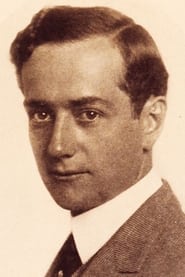
About Leo Pierson
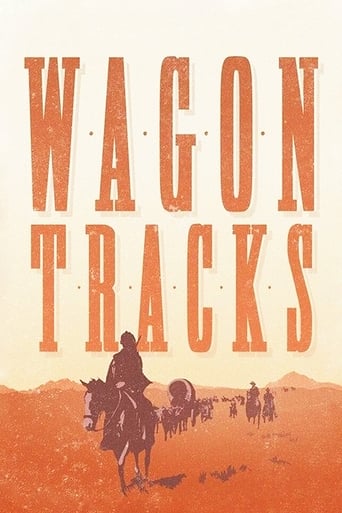
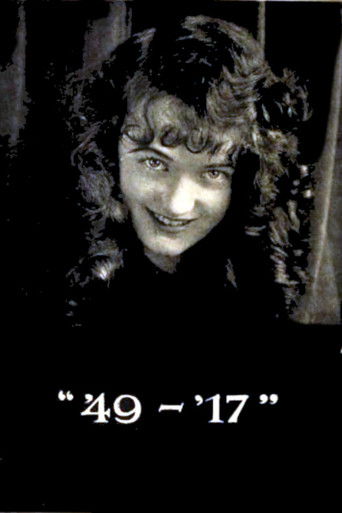
American actor who worked during the silent film era, with a brief but notable career spanning from 1917 to 1919. Leo appears in several Western films during the early days of Hollywood, often playing supporting roles that capitalized on the era's fascination with frontier narratives. His most recognizable performances came in films like '49–'17 (1917), where he contributed to the storytelling of the American West during the gold rush era, and Wagon Tracks (1919), which showcased the perilous journeys of pioneers. Pierson was part of the generation of actors who helped establish the visual language of cinema during its formative years, working before the advent of sound technology that would revolutionize the industry. Like many actors of his era, his career was relatively short-lived as the film industry underwent rapid transformation and consolidation in the early 1920s. His work, while not extensively documented, represents the contributions of countless supporting actors who were essential to the early film industry's success.
The Craft
On Screen
As a silent film actor, Pierson would have employed exaggerated physical expressions and gestures to convey emotion and narrative, typical of the period's acting techniques before the advent of sound. His performances in Westerns likely emphasized the rugged, stoic characteristics popular in frontier narratives of the era.
Milestones
- Appeared in '49–'17 (1917)
- Starred in Wagon Tracks (1919)
- Worked during the silent film era's golden period
- Contributed to early Western film genre
Best Known For
Iconic Roles
Must-See Films
Working Relationships
Worked Often With
Why They Matter
Impact on Culture
Leo Pierson represents the countless supporting actors who were instrumental in building the foundation of American cinema during its silent era. While not a major star, his contributions to early Western films helped establish visual storytelling techniques and genre conventions that would influence cinema for decades. The preservation of his films provides modern audiences with a window into the early days of Hollywood and the collaborative nature of film production during cinema's formative years.
Lasting Legacy
Though his career was brief and his name largely forgotten by mainstream film history, Leo Pierson's work survives as part of the important historical record of silent cinema. His appearances in films like Wagon Tracks contribute to our understanding of early filmmaking techniques and the development of the Western genre. His legacy is tied to the broader preservation efforts of silent films and the recognition of all contributors to early cinema, not just the stars whose names endured.
Who They Inspired
As a supporting actor during cinema's early years, Pierson's direct influence on subsequent generations of performers is difficult to trace. However, like all actors of his era, he contributed to establishing the visual vocabulary of film acting that would evolve and influence future performers. His work in Westerns helped lay groundwork for the genre's enduring popularity in American cinema.
Off Screen
Very little is documented about Leo Pierson's personal life, which was common for supporting actors of the silent era who were not major stars. Like many actors of his time, details about his family background, marriages, or personal relationships have not been preserved in historical records.
Did You Know?
- Leo Pierson had an extremely brief film career, spanning only two years from 1917 to 1919
- He worked exclusively during the silent film era, before the transition to sound
- His filmography consists primarily of Westerns,
- Like many actors of his era, he often played uncredited or minor supporting roles
- The preservation status of his films varies, with some surviving and others potentially lost
- He worked alongside Harry Carey, one of the biggest stars of early Western films
- His career coincided with World War I, which impacted film production worldwide
- The film '49–'17 references the California Gold Rush of 1849, a popular subject in early American cinema
Frequently Asked Questions
Who was Leo Pierson?
American with credits in this catalog. Though his career was brief, he contributed to early cinema through roles in films like '49–'17 and Wagon Tracks.
What films is Leo Pierson best known for?
Titles linked here include '49–'17 (1917), Wagon Tracks (1919).
When was Leo Pierson active in films?
Leo Pierson was active in the film industry from 1917 to 1919, working exclusively during the silent film era. His active years covered just two years, which was not uncommon for supporting actors of the period.
What type of roles did Leo Pierson typically play?
Leo Pierson typically played supporting roles in Western films, which was. Like many actors of his time, he often appeared in uncredited or minor character roles.
Why is so little known about Leo Pierson's personal life?
Limited documentation of Leo Pierson's personal life is typical for supporting actors from the silent era, as historical records and press coverage tended to focus on major stars. Many details about early film actors have been lost to time due to inadequate preservation of industry records.