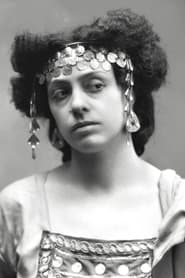
Evelina Paoli
Actor
- Active
- 1915-1915
Films 1
About Evelina Paoli
Evelina Paoli is a very obscure silent-era screen performer whose surviving documentation is extremely limited. She is credited as an actor in the Italian historical film Silvio Pellico (1915), and that single credit is the principal surviving marker of her screen career. No reliable, widely documented biographical profile has surfaced in standard film-history reference sources, which suggests that she may have had a brief, locally active career in Italian cinema during the silent period. Because the archival record is sparse, details such as her birth, death, training, and wider body of work remain unverified. Her known screen activity places her within the early wave of Italian filmmaking that adapted literary and historical subjects for a popular audience. Like many performers of the silent era, her work would have depended on expressive gesture, facial nuance, and compositional presence rather than spoken dialogue. She remains a minor but legitimate figure in early Italian film history, primarily remembered through cast listings and archival film references.
More about Evelina Paoli
In film history
Evelina Paoli’s cultural importance lies less in a large surviving body of work and more in what her credit represents: the many early film artists whose careers were recorded only fragmentarily. As a performer in a 1915 Italian silent production, she belongs to the formative period when Italian cinema was developing prestige historical dramas and literary adaptations. Her name surviving in cast records helps reconstruct the labor and personnel behind early European filmmaking, especially for women whose careers were often under-documented. In that sense, she is part of the historical fabric of silent cinema, even though her individual fame did not endure in the way that major stars’ did.
Later reputation
Her legacy is primarily archival and historiographic rather than star-based. Evelina Paoli is remembered because her name appears in connection with Silvio Pellico (1915), allowing modern researchers to identify at least one participating actress in an early Italian film. For classic-cinema scholarship, such names are valuable because they help fill out the understudied roster of silent-era performers, many of whom worked briefly and left few surviving traces. Her presence in film records underscores how much early cinema history depends on scattered credits, production documents, and surviving catalogs. Even without extensive personal data, she remains a documented part of Italy’s silent-film heritage.
Influence
No direct influence on later actors or directors can be reliably documented for Evelina Paoli. Her broader influence is best understood as indirect: she contributed to the early screen tradition of Italian historical filmmaking and to the collective pool of silent-era performers whose work shaped the medium’s visual acting conventions. Because her career is so sparsely recorded, it is not possible to attribute a specific school, style, or lineage to her. Nevertheless, her surviving credit helps modern historians trace the participation of women in early European cinema and better understand the cast networks of the period.
Credits
- Screen credit for the Italian silent historical film Silvio Pellico (1915)
- Participation in early Italian silent cinema during the mid-1910s
- Preservation in film databases as a documented performer from the silent era
Roles
- Role in Silvio Pellico (1915)
Films
- Silvio Pellico (1915)
Notes
- Evelina Paoli is known today almost entirely from film credits rather than from extensive biographical accounts.
- Her only currently identified screen credit is Silvio Pellico (1915).
- She worked during the silent-film era, when acting relied heavily on gesture and facial expression.
- Her surviving record is an example of how many early cinema performers have been only partially documented.
- She appears in the historical record as part of Italy’s early 20th-century film culture.
- No verified information about her awards, family, or later life is commonly available in standard reference sources.
Questions
Who was Evelina Paoli?
Evelina Paoli was a silent-era film actor known from a credit in the Italian film Silvio Pellico (1915). Very little biographical information survives about her, so she is primarily documented through film reference records rather than extensive historical profiles. She appears to have been a minor but authentic participant in early Italian cinema.
What films is Evelina Paoli best known for?
She is best known for Silvio Pellico (1915), which is the only firmly identified credit associated with her in the available record. No other reliably verified film appearances are currently established. Her recognition is therefore tied to that single silent film.
When was Evelina Paoli born and when did she die?
Her birth and death dates are not currently verified in accessible standard film-history sources. The surviving record does not provide a confirmed place of birth or death date either. This is common for many early silent-era performers whose careers were documented only in fragments.
What awards did Evelina Paoli win?
No awards or formal honors are currently documented for Evelina Paoli. Given the era in which she worked and the scarcity of surviving records, it is possible that any recognition she received was local or unrecorded. At present, no verified awards can be listed.
What was Evelina Paoli's acting style?
Her specific acting style is not documented, but as a silent-era performer she would have worked within the expressive conventions of early cinema. That usually meant clear physical gesture, strong facial expression, and visually readable emotional emphasis. Beyond that, no detailed critical description of her screen technique has been preserved.
What is Evelina Paoli's legacy in film history?
Her legacy is mainly archival: she is one of the many early film performers whose names survive in cast lists even when personal details do not. For historians, such credits help reconstruct the personnel and performance culture of silent Italian cinema. Her documented presence in Silvio Pellico (1915) gives her a small but real place in early film history.