Films
2 films
About Georges Coquet
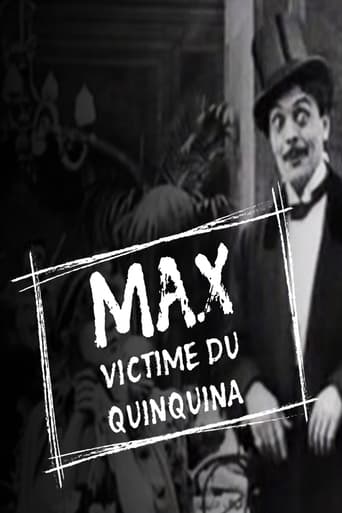
Georges Coquet worked on one surviving credit: Max Takes Tonics (1911). Specifically active in 1911. His only known film credit is 'Max Takes Tonics' (French title likely 'Max et le tonique'), a comedy short featuring the Max Linder, who was one of the first international film stars. Coquet was part of the burgeoning French film industry during its golden age before World War I, when Pathé and Gaumont dominated global cinema production. Like many actors of this period, he likely came from a theatrical background and transitioned to the new medium of film. His extremely brief filmography suggests he may have been a bit player or someone who tried acting briefly before pursuing other career paths. The fact that he appeared in a Max Linder film indicates he was working with sophisticated comedy productions of its time. Unfortunately, like many early film performers, detailed records of his life and career have been lost to history.
The Craft
Milestones
- Appeared in Max Linder comedy 'Max Takes Tonics' (1911)
Best Known For
Must-See Films
Working Relationships
Worked Often With
Studios
Why They Matter
Impact on Culture
Georges Coquet represents the countless anonymous performers who contributed to the birth of cinema during its formative years. While his individual impact was minimal due to his brief career, he was part of the revolutionary French film industry that established many of the foundational techniques of narrative cinema. His appearance in a Max Linder film places him within the context of early comedy development, as Linder's work directly influenced Charlie Chaplin and other silent comedians. These early actors, even in minor roles, were pioneers helping to establish the language of film acting at a time when the medium was still defining itself.
Lasting Legacy
Georges Coquet's legacy is primarily as a representative of the thousands of early film actors whose names have been largely forgotten but who were essential to cinema's development. His single known film appearance serves as a reminder of how many contributors to early film history remain undocumented. While he didn't achieve lasting fame, performers like Coquet were the building blocks of the film industry, helping establish acting techniques and studio systems that would evolve into the Hollywood we know today.
Who They Inspired
Given his extremely brief and limited filmography, there's no evidence that Georges Coquet directly influenced other performers or filmmakers. His contribution was likely limited to his single role, though like all early film actors, he was part of the collective experimentation that helped establish film acting conventions during cinema's first decade.
Off Screen
Very little is known about Georges Coquet's personal life, which is typical for bit players from the earliest days of cinema. Like many actors of his era, detailed biographical information was not systematically preserved, and many records from this period have been lost over time.
Did You Know?
- Appeared in only one known film during his entire career
- Worked with Max Linder, who was considered Charlie Chaplin's primary influence
- His entire film career lasted just one year, 1911
- Participated in French cinema during what many consider its golden age before WWI
- Like many early film actors, his personal details have been lost to history
- The film he appeared in was likely a comedy short, typical of the era
- Early French actors often came from theatrical backgrounds
- Film actors in 1911 were pioneers in a brand new artistic medium
Frequently Asked Questions
Who was Georges Coquet?
Screen credits include only one known film, 'Max Takes Tonics' (1911). He was active for just one year and worked with the famous comedian Max Linder during the early days of French cinema.
What films is Georges Coquet best known for?
Titles linked here include Max Takes Tonics (1911).
When was Georges Coquet born and when did he die?
Unfortunately, the birth and death dates of Georges Coquet are unknown, which is common for bit players from the earliest days of cinema when detailed records were not systematically maintained.
What awards did Georges Coquet win?
Georges Coquet did not receive any known awards or honors, which was typical for most actors in minor roles during the early 1910s when formal award systems for film had not yet been established.
What was Georges Coquet's acting style?
There is no documented information about Georges Coquet's specific acting style. However, actors in Max Linder films typically employed broad, physical comedy techniques characteristic of early silent film comedy.
Why is so little known about Georges Coquet?
Like many early film actors, especially those with brief careers or minor roles, detailed information about Georges Coquet was not preserved. Many records from this era have been lost, and bit players were not considered significant enough for detailed documentation at the time.