Films
1 film
About Pierre Gendron
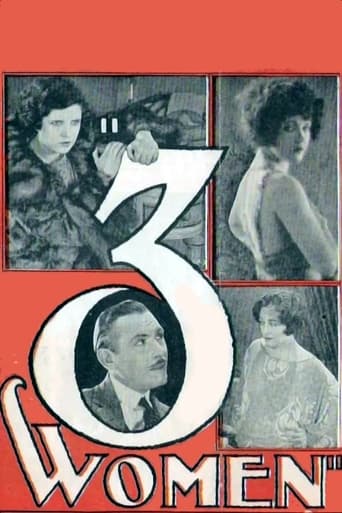
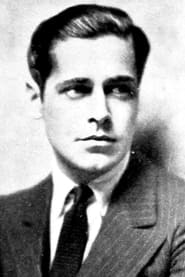
Pierre Gendron performed in Ernst Lubitsch's 1924 drama 'Three Women. ' His career appears to have been exceptionally brief, with documented activity limited to the single year of 1924. Like many supporting actors of the silent period, Gendron's contributions to cinema were modest but served the important function of populating the ensemble casts that gave early films their depth and atmosphere. His role in 'Three Women' placed him within a Paramount Pictures production directed by one of the era's most respected filmmakers. The film itself was a sophisticated drama exploring themes of love and morality, typical of Lubitsch's early American work before he developed his famous 'Lubitsch Touch.' Unfortunately, like many actors from this period who had brief careers, detailed documentation of Gendron's life and career has been lost to time, making him one of the countless forgotten contributors to early Hollywood cinema.
The Craft
Milestones
- Appeared in Ernst Lubitsch's 'Three Women' (1924)
Best Known For
Must-See Films
Working Relationships
Worked Often With
Studios
Why They Matter
Impact on Culture
Pierre Gendron's cultural impact was minimal due to his extremely brief career in the film industry. As a minor actor in a single notable film, he represents the thousands of supporting performers who contributed to early Hollywood's output but have been largely forgotten by history. His participation in 'Three Women' places him within the context of Ernst Lubitsch's early American career, a period when the director was transitioning from European sensibilities to developing his distinctive Hollywood style. While Gendron himself did not leave a lasting mark on cinema, he was part of the collaborative effort that created significant works of the silent era.
Lasting Legacy
Pierre Gendron's legacy is primarily that of a typical supporting actor from the silent era whose brief career illustrates the transient nature of early Hollywood stardom. He represents the vast majority of performers who appeared in films during cinema's formative years but did not achieve lasting fame or recognition. His inclusion in 'Three Women' ensures that his name, at minimum, is preserved in film history databases and credits, even though biographical details about his life remain scarce. Like many of his contemporaries, Gendron's contribution to cinema history serves as a reminder of the collaborative nature of filmmaking and the countless individuals who helped create the classic films we study today.
Who They Inspired
Given the brevity of Pierre Gendron's career and his status as a minor actor, there is no documented evidence of his influence on other performers or filmmakers. His influence, if any, would have been limited to his immediate work on the set of 'Three Women' and would not have extended beyond that single production.
Off Screen
Very little is known about Pierre Gendron's personal life, which is common for actors who had brief careers in the silent era and did not achieve star status.
Did You Know?
- Pierre Gendron's entire documented film career spans only one year (1924)
- He appeared in 'Three Women' directed by Ernst Lubitsch,
- The film 'Three Women' starred Pauline Frederick and was produced by Paramount Pictures
- Like many silent era actors with brief careers, most biographical details about Gendron have been lost to time
- His name appears in film credits but extensive personal information is unavailable
- He represents the typical supporting actor of the 1920s who contributed to films without achieving stardom
Frequently Asked Questions
Who was Pierre Gendron?
Screen credits include only one documented film, Ernst Lubitsch's 'Three Women' in 1924. His career was exceptionally brief, with activity limited to that single year.
What films is Pierre Gendron best known for?
Titles linked here include Three Women (1924).
When was Pierre Gendron born and when did he die?
Unfortunately, birth and death dates for Pierre Gendron are not available in historical records, which is common for minor actors from the silent era who did not achieve lasting fame.
What awards did Pierre Gendron win?
There are no records of Pierre Gendron receiving any awards or nominations for his work in film, which is typical for supporting actors with very brief careers in the 1920s.
What was Pierre Gendron's acting style?
Due to the limited documentation of his career and the fact that only one of his films survives in records, there is no detailed information available about Pierre Gendron's specific acting style or techniques.
Did Pierre Gendron work with any famous directors?
Yes, Pierre Gendron worked with renowned director Ernst Lubitsch on 'Three Women' (1924). Lubitsch would go on to become one of Hollywood's most respected directors, known for developing the famous 'Lubitsch Touch.'