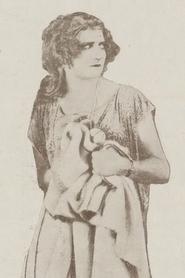
Nadette Darson
Actor
- Active
- 1910-1910
Films 1
About Nadette Darson
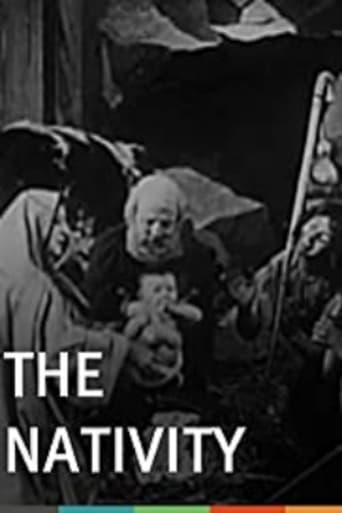
Nadette Darson appears in surviving film records as a very early screen performer associated with the 1910 religious short The Nativity, a period when American and European film companies were rapidly adapting biblical, literary, and theatrical subjects for the silent screen. Beyond that single credit, reliable biographical information about her life and career is extremely scarce, and she does not appear to have left a substantial footprint in mainstream reference works or later historical profiles. Her documented screen activity currently places her in the very earliest years of narrative cinema, when performers were often credited inconsistently or not at all, making later identification difficult. Because of the limited surviving evidence, it is not possible to reconstruct a full career arc with confidence, nor to verify whether she continued acting beyond 1910 under the same name or a variant spelling. Her importance to film history lies primarily in her presence in one of the many small, early silent productions that helped establish motion pictures as a storytelling medium. As with many performers from the transitional pre-feature era, her work survives more as a trace in archival filmographies than as a widely documented public career. She is therefore best understood as a little-documented early cinema actor whose confirmed contribution belongs to the formative silent period.
More about Nadette Darson
In film history
Nadette Darson's cultural impact is best understood in the context of the early silent era, when even brief screen appearances contributed to the growth of a new mass medium. While she is not known to have become a star or to have shaped popular culture in a documented way, her preserved credit in The Nativity places her among the early performers who helped populate the devotional and dramatic films that audiences encountered before feature-length cinema became dominant. These productions were important in teaching filmmakers how to stage action, use intertitles, and communicate narrative visually without synchronized sound. Her name surviving in film records is itself valuable, because many early actors vanished from the historical record entirely. In that sense, she represents the many undocumented artists whose work formed the foundation of silent cinema. Her presence in an early biblical film also reflects the era's interest in adapting familiar religious subjects for film audiences, a practice that broadened cinema's appeal and legitimacy.
Later reputation
Her lasting legacy is primarily archival and historical rather than star-based. Nadette Darson is remembered, to the extent she is remembered at all, as part of the first wave of screen performers working in 1910, when the film industry was still experimenting with format, crediting, and performance style. For film historians, names like hers matter because they help map the personnel of the silent period and illustrate how incomplete the surviving record can be. Even when little else is known, a confirmed credit in an early film contributes to the broader reconstruction of cinema's formative years. Her legacy therefore resides in the documentation of early screen labor and in the preservation of The Nativity as part of the silent film canon. She stands as an example of how many contributors to early cinema remain underrecognized despite their participation in the medium's development.
Influence
There is no evidence that Nadette Darson directly influenced later actors or filmmakers in a traceable, documented way. However, her work belongs to the generation of performers whose early screen acting helped establish conventions of silent-era expression, staging, and visual storytelling. In a broader historical sense, performers in small 1910 productions influenced the evolution of screen acting by learning to communicate character through gesture, posture, and facial expression rather than dialogue. Her contribution is therefore indirect and systemic rather than personal and publicly documented. She is part of the early foundation on which later, more recognizable silent-era acting styles were built.
Off screen
No reliable biographical data is currently available about Nadette Darson's personal life, including family background, marriages, residence, or later life. Publicly accessible classic-cinema reference sources do not provide verified information on her relationships or private history. As a result, any statement beyond her confirmed screen credit would be speculative. She remains one of many early silent-era figures whose personal story has not survived in accessible records.
Credits
- Confirmed screen credit in the 1910 silent film The Nativity
- Participation in the earliest generation of narrative cinema performers
- Representation of an early film actor whose career is preserved primarily through archival filmography records
Roles
- Role in The Nativity (1910)
Films
- The Nativity (1910)
Notes
- She is confirmed in surviving film records for only one known title, The Nativity (1910).
- Her name is not widely documented in standard classic-cinema reference sources, which suggests she may have been a minor or regional performer.
- The Nativity was produced during the formative years of silent cinema, before feature-length films became the norm.
- Early film actors often went uncredited, so surviving names like hers are important to archival research.
- Because of the scarcity of records, it is unclear whether 'Nadette Darson' was a stage name, a variant spelling, or her legal name.
- Her documented work belongs to the period when biblical subjects were frequently adapted for the screen.
- She is an example of an early cinema performer whose historical presence is preserved more by filmography than by biography.
Questions
Who was Nadette Darson?
Nadette Darson was an early silent-era screen actor known from the 1910 film The Nativity. Very little verified biographical information survives about her, so she is mainly documented through filmography records rather than later historical profiles.
What films is Nadette Darson best known for?
She is currently known for The Nativity (1910), which is the only confirmed screen credit available in the information provided. No other reliably documented films have been verified in accessible classic-cinema references.
When was Nadette Darson born and when did she die?
Her birth and death dates are not currently available in reliable surviving records. At present, classic-cinema sources do not provide verified details about her birthplace, lifespan, or later life.
What awards did Nadette Darson win?
No awards or nominations are known for Nadette Darson. Early silent-era performers, especially those with very limited surviving documentation, often do not have recorded award histories.
What was Nadette Darson's acting style?
Her specific acting style cannot be verified from the surviving record. As a performer in a 1910 silent film, she would have worked in the expressive, gesture-driven style typical of the period, but no detailed critical descriptions of her technique are currently known.
What is Nadette Darson's legacy in film history?
Her legacy is largely archival: she represents one of the many early film performers whose names survive even when personal details do not. Her confirmed credit in The Nativity places her among the pioneers of silent-screen performance during cinema's formative years.