1910 · Short film; exact runtime varies by surviving print and source cataloging

Also available on: Archive.org
The Nativity

The Nativity

1910 Short film; exact runtime varies by surviving print and source cataloging France
Religious devotionIncarnation and miracleHumility and sacred mysteryFaith and reverenceBiblical pageantry

Plot

Louis Feuillade's The Nativity is a brief silent devotional film that dramatizes the Christian story of Christ's birth in a reverent, tableau-like style. It follows the angelic announcement to Mary, the journey to Bethlehem, the birth of Jesus in the manger, and the adoration of the shepherds and the Magi. Rather than emphasizing dramatic action, the film presents the familiar biblical episodes as a sequence of living pictures, allowing the iconography of the Nativity to carry the emotional weight. The result is a compact sacred pageant intended to inspire devotion and contemplation rather than suspense or spectacle.

About the Production

Release Date 1910
Production Pathé Frères
Filmed In France

The film was produced in the early years of French cinema under the Pathé banner and reflects Louis Feuillade's work in short-form narrative and devotional subjects. Like many films of the period, it uses stylized sets, static or minimally mobile camera placement, and carefully arranged tableaux to evoke a biblical scene rather than a naturalistic historical reconstruction. Surviving documentation on exact budget, shooting schedule, and precise locations is limited, which is typical for films from this era. The production belongs to a broader wave of early 20th-century religious films that translated familiar scripture into cinematic form for popular exhibition.

Historical Background

The Nativity was produced in 1910, at a time when cinema was rapidly transitioning from a novelty to an established narrative medium. In France, Pathé Frères was among the dominant studios shaping international film culture, and short religious films were still a common form of exhibition material. The film emerged in a pre-World War I Europe still deeply tied to Christian iconography and public devotional culture, and it reflects how early cinema adapted familiar sacred stories for mass audiences. Its significance lies not in industrial scale or awards but in showing how cinema was used to visualize religious narratives in a period before feature-length biblical epics became common.

Why This Film Matters

The film is culturally significant as part of the earliest wave of screen adaptations of biblical material, helping establish how the Nativity story could be rendered in cinematic language. It represents the intersection of religious tradition and modern visual media, translating a story central to Christian culture into a form accessible to popular audiences. For scholars of early cinema, it offers evidence of how filmmakers used tableau staging, costume, and composition to evoke authority and reverence. Its value today is historical and archival, illuminating the aesthetics and exhibition practices of silent-era devotional filmmaking.

Making Of

The Nativity was made during a period when Pathé and other French studios were producing a wide range of short subjects for an expanding international market. Feuillade, working within the studio system, would have relied on efficient production methods, studio sets, and staged action that could be read clearly without intertitles or with only minimal textual support. The film's devotional subject meant that performance style likely emphasized solemn gesture and clear iconographic composition over psychological realism. As with many early silent films, exact behind-the-scenes records are sparse, so much of what is known is inferred from surviving prints, catalog entries, and Feuillade's broader production style.

Visual Style

The cinematography is characteristic of early French silent filmmaking: frontal compositions, theatrical blocking, and a preference for tableau-like arrangements that let the viewer absorb the scene as a visual whole. Lighting would have been designed to keep figures legible and costumes distinct, with minimal camera movement by modern standards. The visual style likely emphasizes symmetry, iconographic clarity, and a staged sacred atmosphere rather than continuity editing or dynamic camera work. This approach aligns with early religious films that drew on painting, stage pageants, and ecclesiastical imagery.

Innovations

The film does not appear to be known for major technical innovations, but it is technically notable as an early example of coherent biblical storytelling in silent cinema. Its achievement lies in clear visual narration through staging, gesture, and composition, making a sacred story understandable without spoken dialogue. The use of tableau construction and controlled mise-en-scène reflects the mature studio style developing in France in the 1910s. As part of Feuillade's body of work, it also demonstrates his ability to handle very different subject matter within the constraints of short-form production.

Music

As a silent film, The Nativity originally had no synchronized recorded soundtrack. Like many silent-era religious films, it would have been shown with live musical accompaniment in theaters, often improvised by an accompanist or selected from exhibition cue sheets and local practice. No single original score is universally documented in surviving sources.

Memorable Scenes

  • The angelic announcement to Mary, staged as a solemn visual revelation.
  • The birth in the manger, presented as the emotional and spiritual center of the film.
  • The adoration of the shepherds, a familiar Nativity image rendered as a living tableau.
  • The visit of the Magi, emphasizing reverence and the ceremonial dignity of the scene.

Did You Know?

  • This is a silent French religious film directed by Louis Feuillade, one of the most prolific filmmakers of the early Pathé era.
  • The film is often discussed as a devotional tableau rather than a modern narrative feature, reflecting the stylistic conventions of 1910 cinema.
  • It appears in film reference databases under the title The Nativity and is associated with the Wikidata identifier Q3211054.
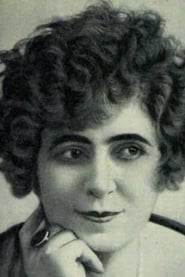
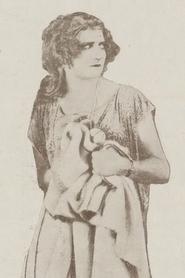
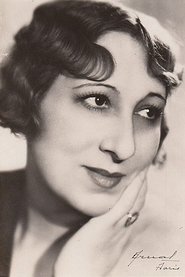
  • The cast information survives incompletely in modern cataloging, but Renée Carl, Nadette Darson, and Alice Tissot are linked with the production.
  • Because the film is from 1910, many production details such as budget, exact runtime, and premiere circumstances are not well documented.
  • Feuillade was known for working in multiple genres, and this title shows his involvement not only with crime serials but also with religious subjects.
  • Early audiences often encountered films like this as part of mixed programs, where short sacred scenes could accompany newsreels, comedies, or other dramatic shorts.
  • The film belongs to a tradition of early cinema that treated biblical scenes as visually recognizable compositions, often inspired by paintings and religious pageants.
  • Its survival status is not always clearly documented in popular sources, which is common for obscure French shorts from the silent era.
  • The title should not be confused with later Nativity films from other countries or later decades.

What Critics Said

Contemporary critical reception is difficult to reconstruct in detail because surviving press coverage and reviews are limited. Films of this type were generally evaluated by exhibitors and audiences as respectful, visually clear presentations of familiar stories rather than as works of auteur expression. In modern film scholarship, the film is of interest primarily as an early example of Louis Feuillade's range and as an artifact of pre-feature biblical cinema. Today it is likely assessed more for historical significance, preservation value, and its place in the evolution of religious films than for dramatic sophistication.

What Audiences Thought

Specific audience records are unavailable, but early viewers of religious shorts like this were often drawn to the recognizable biblical imagery and the novelty of seeing sacred stories depicted on screen. Because the Nativity was widely known, the film likely depended on visual clarity and reverent presentation to satisfy audiences. In 1910, such films could appeal both to religious viewers seeking respectful representation and to general audiences accustomed to varied short-program entertainment. Its enduring interest today is mainly among silent-film historians, archivists, and viewers interested in early biblical cinema.

Film Connections

Influenced By

  • The Gospel accounts of the birth of Jesus
  • Christian iconography and Nativity paintings
  • Religious stage tableaux and pageants common in Europe

This Film Influenced

  • Early biblical short films and devotional screen adaptations
  • Later Nativity depictions in silent and sound cinema
  • Studio-era religious pageants and biblical spectacles

Film Restoration

Preservation details are not consistently documented in widely available sources; the film is obscure, and availability may depend on archival holdings or surviving prints. It is not commonly available on mainstream commercial platforms, suggesting limited circulation and possible incomplete survival in some territories.

Themes & Topics

NativityMaryJosephBethlehemMagiShepherdsMangerSilent film