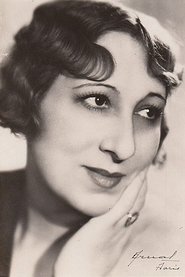
Alice Tissot
Actor
Born: January 1, 1890 in Paris, France Died: May 23, 1971 Active: 1911-1933 Birth Name: Alice Marie Joséphine Tissot
Films
4 films

About Alice Tissot
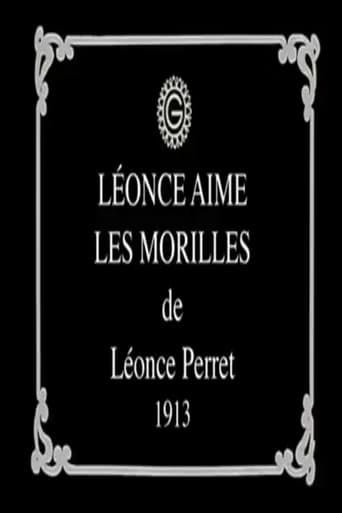
Alice Tissot worked on one surviving credit: Léonce Loves Morels (1913). Born in Paris in 1890, she began her film career in the early 1910s, quickly establishing herself as a versatile performer capable of portraying both dramatic and comedic roles. Throughout her career, she collaborated with many of France's directors, including Léonce Perret, Marcel L'Herbier, and Jacques Feyder. Her performance in 'Léonce Loves Morels' (1913) showcased her ability to work with the innovative techniques of early French cinema, while her role in 'Gribiche' (1926) demonstrated her evolution as an actress during the mature period of silent filmmaking. Tissot's approximately two decades, during which she appeared in over 50 films, transitioning successfully from short films to feature-length productions. As the sound era emerged, her film appearances became less frequent, though she continued working in cinema until the early 1930s. Her contributions to French cinema helped establish the foundation for the country's rich film tradition, and she remains remembered as one of the prominent character actresses of her generation.
The Craft
On Screen
Alice Tissot embodied the expressive acting style characteristic of the silent era, utilizing exaggerated gestures and facial expressions to convey emotion effectively without dialogue. Her performances were marked by a natural grace and emotional depth that allowed her to excel in both dramatic and comedic roles. She possessed a remarkable ability to communicate complex emotions through subtle movements of her eyes and body, making her particularly effective in melodramatic productions. Her technique evolved throughout her career, showing increasing subtlety as silent film acting matured in the 1920s.
Milestones
- Film debut in early French shorts (1911)
- Breakthrough role in 'Léonce Loves Morels' (1913)
- Collaboration with director Marcel L'Herbier on multiple films
- Notable performance in 'Gribiche' (1926) directed by Jacques Feyder
- Appeared in over 50 films during her career
- Successfully transitioned from short films to feature-length productions
Best Known For
Iconic Roles
Must-See Films
Accolades
Special Recognition
- Recognized as one of the actresses of French cinema
- Honored in French film retrospectives for silent era contributions
Working Relationships
Worked Often With
Studios
Why They Matter
Impact on Culture
Alice Tissot's contributions to French cinema helped establish the foundation for the country's rich film tradition during its formative years. As one of the prominent actresses of the silent era, she participated in the development of narrative techniques and acting styles that would influence French cinema for decades. Her work with major directors of the period contributed to establishing France as a center of artistic innovation in early filmmaking. The films she appeared in, particularly those by Marcel L'Herbier and Jacques Feyder, are now considered classics of French cinema and are studied by film scholars worldwide. Her active years covered the crucial transition period from early experimental films to the sophisticated productions of the late silent era, making her a witness to and participant in cinema's artistic evolution.
Lasting Legacy
Alice Tissot's legacy endures through the preservation of her films in French cinema archives and their continued study by film historians. She represents the generation of actresses who helped establish the art of film acting before the advent of sound, demonstrating how emotion and character could be conveyed through visual means alone. Her performances in films like 'Gribiche' and 'L'Homme du large' continue to be screened at film festivals and retrospectives dedicated to classic French cinema. While not as widely remembered as some of her contemporaries, her body of work provides valuable insight into the development of acting techniques and narrative styles in early French cinema. Film scholars recognize her as an important contributor to the golden age of French silent film.
Who They Inspired
Alice Tissot influenced subsequent generations of French character actresses through her demonstrated ability to convey complex emotions without dialogue. Her work helped establish conventions for supporting roles in French cinema, particularly in melodramatic productions. The natural quality of her performances, despite the exaggerated style required by silent films, showed how authenticity could be achieved within the technical constraints of the medium. Younger actresses studying her films could learn techniques for physical expression and emotional projection that remained relevant even after the transition to sound cinema.
Off Screen
Alice Tissot maintained a relatively private personal life throughout her career in the public eye. Born and raised in Paris, she remained connected to her hometown throughout her life, both professionally and personally. Unlike many of her contemporaries, she avoided the glamour and scandal that often accompanied stardom in early cinema. After her retirement from acting, she lived quietly in Paris until her death in 1971 at the age of 81.
Education
No specific educational records are available, though she likely received theatrical training in Paris before entering films
Family
- Information not publicly available
Did You Know?
- Born on New Year's Day in 1890
- Appeared in over 50 films during her 22-year career
- Worked with some of France's most innovative silent film directors
- Her film 'Gribiche' (1926) is considered a masterpiece of French silent cinema
- Survived the transition from short films to feature-length productions
- Remained active into the early sound era, though her appearances became less frequent
- Spent her entire life in Paris, the center of French cinema
- Her real name included Marie Joséphine as middle names
- Retired from acting before World War II
- Died in the same city where she was born 81 years later
In Their Own Words
No documented famous quotes from Alice Tissot are available in historical records
Frequently Asked Questions
Who was Alice Tissot?
French actress who worked primarily during the silent film era from 1911 to 1933. She appeared in over 50 films and worked with many French directors, establishing herself as a versatile character actress in both dramatic and comedic roles.
What films is Alice Tissot best known for?
Titles linked here include Léonce Loves Morels (1913), Gribiche (1926).
When was Alice Tissot born and when did she die?
Born January 1, 1890; died May 23, 1971.
What awards did Alice Tissot win?
While Alice Tissot did not receive formal awards during her career, she is recognized today as an important contributor to French silent cinema. Her work is honored through film retrospectives and preservation of her films in French cinema archives.
What was Alice Tissot's acting style?
Alice Tissot employed the expressive acting style typical of the silent era, using gestures and facial expressions to convey emotion without dialogue. Her performances evolved to show increasing subtlety and natural grace as silent film acting matured in the 1920s.
Who did Alice Tissot frequently collaborate with?
Alice Tissot frequently collaborated with prominent French directors including Léonce Perret, Marcel L'Herbier, Jacques Feyder, and Jean Epstein. She worked with major French studios including Gaumont and Pathé Frères.
What was Alice Tissot's impact on French cinema?
Alice Tissot contributed to establishing the foundation of French cinema during its formative years. Her work helped develop acting techniques and narrative styles in silent films, and her collaborations with innovative directors advanced French cinema's artistic reputation internationally.