

Keys: Space play/pause · ←/→ 10s · F fullscreen · M mute · </> speed
Plot
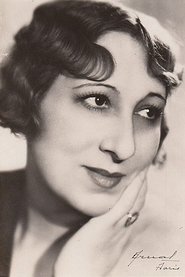
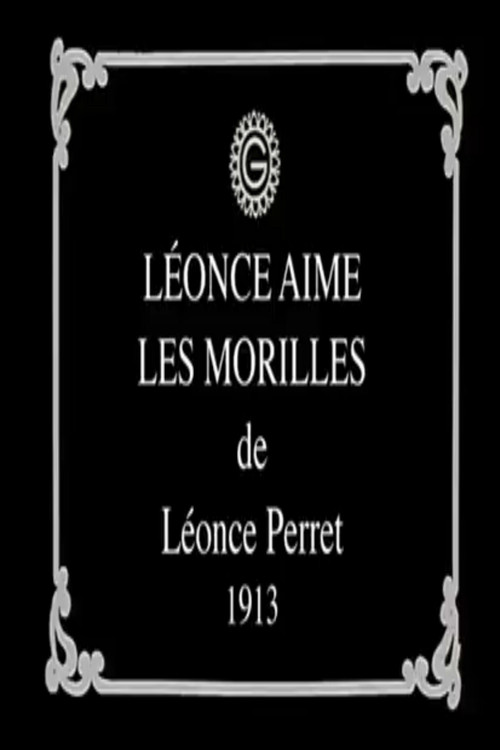
Léonce Loves Morels follows the charming adventures of Léonce as he embarks on a delightful countryside excursion in search of mushrooms. The film captures a whimsical day trip where Léonce encounters various rustic characters and situations during his mushroom-hunting quest. Suzanne Le Bret shines as 'Poupette,' adding romantic intrigue and playful moments to the pastoral narrative. The story unfolds as a lighthearted comedy with elements of fantasy, showcasing the simple joys of nature and courtship in early 20th century France. The film culminates in a series of charming encounters that blend reality with imaginative elements, characteristic of the innovative French cinema of the era.
Director
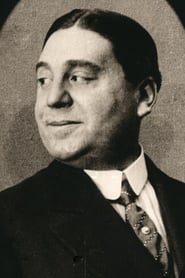 Léonce Perret
About the Production
Release Date 1913
Box Office No box office records available from 1913 French cinema
Production Société des Établissements L. Gaumont
Filmed In France - likely Île-de-France region or Gaumont studio locations
This film was produced during Gaumont's golden age under Léonce Gaumont's leadership. Léonce Perret was not only the director but also the star, showcasing his multifaceted talent in the early French film industry. The film was shot during a period when French cinema was dominating the global market, and Gaumont was one of the leading studios. The mushroom hunting theme was popular in French culture and provided an excellent backdrop for outdoor filming, which was becoming increasingly sophisticated by 1913.
More from Léonce Perret
View all →

Themes & Topics
Historical Background
1913 was a watershed year in cinema history, representing the height of French cultural influence before the devastation of World War I. The French film industry, particularly companies like Gaumont and Pathé, dominated global markets with sophisticated productions. This period saw the transition from short films to longer narratives, though short comedies like Léonce Loves Morels remained popular. The film was made during the Belle Époque, a time of cultural flowering in France, and reflects the era's optimism and love of outdoor leisure. Technically, 1913 saw advances in film stock, camera mobility, and editing techniques that allowed for more sophisticated storytelling. The film industry was also becoming more professionalized, with established stars like Perret and specialized production facilities.
Why This Film Matters
Léonce Loves Morels represents an important example of early French narrative cinema and the pastoral comedy genre that was popular in the 1910s. The film showcases the French tradition of outdoor leisure and the emerging middle-class lifestyle that characterized the Belle Époque. As a work by Léonce Perret, it contributes to our understanding of one of early cinema's most important auteurs. The film demonstrates the sophistication of French comedy before the war and its influence on international cinema. It also illustrates how French filmmakers were able to create charming, character-driven stories with minimal resources but maximum creativity. The preservation of such films helps document the evolution of cinematic language and storytelling techniques.
Making Of
Léonce Loves Morels was created during a remarkably productive period for Léonce Perret, who was simultaneously working as an actor, director, and screenwriter for Gaumont. The film was likely shot on location near Paris, taking advantage of the French countryside that was easily accessible from the capital. Perret was known for his innovative camera techniques and naturalistic acting style, which were quite advanced for 1913. The collaboration with Suzanne Le Bret was part of a series of films they made together, showcasing their on-screen chemistry. The production would have used hand-cranked cameras and natural lighting, as artificial lighting was still primitive. The film was processed and printed at Gaumont's facilities, which were among the most advanced in the world at the time.
What Critics Said
Contemporary critical reception for short films of 1913 is difficult to trace, as film journalism was still developing. However, films by Léonce Perret were generally well-received by the trade press and audiences. The film would have been reviewed in publications like Ciné-Journal and other early film periodicals. Modern critics and film historians view Perret's work from this period as technically accomplished and artistically significant, representing an important stage in the development of narrative cinema. The film is often cited in studies of early French comedy and Perret's contribution to cinematic art.
Did You Know?
- Léonce Perret was one of the most important figures in early French cinema, directing over 400 films and acting in hundreds more
- The film was released during the peak of French cinema's global dominance before World War I disrupted the industry
- Gaumont studio, where this was likely filmed, was one of the world's first and most important film production companies
- The mushroom hunting theme (champignonnage) was a popular leisure activity among the French middle class, making the film relatable to contemporary audiences
- Suzanne Le Bret, nicknamed 'Poupette,' was a popular actress of the period who frequently worked with Perret
- 1913 was a pivotal year in cinema, marking the transition from early primitive films to more sophisticated narrative techniques
- The film represents the French 'comédie de mœurs' tradition adapted to the new medium of cinema
- Alice Tissot, another cast member, would have a long career in French cinema spanning several decades
- The film's outdoor location shooting demonstrates the increasing mobility of film equipment by 1913
- This type of short pastoral comedy was a staple of French cinema before the feature film became dominant
More film details Visual style, music, quotes, restoration, and more
Visual Style
The cinematography of Léonce Loves Morels reflects the state of the art in 1913 French filmmaking. The film likely used natural lighting for outdoor scenes, creating a soft, authentic look that was prized by French directors of the period. Camera work would have been relatively static by modern standards but included some movement and varied angles that were innovative for the time. The film stock would have been orthochromatic, rendering skies white and emphasizing certain tones. The outdoor location shooting demonstrates the increasing mobility of film equipment and the French preference for naturalistic settings over studio work.
Innovations
While not groundbreaking in technical terms, Léonce Loves Morels demonstrates several technical achievements common to quality French productions of 1913. The film shows effective use of location shooting, which required portable equipment and careful planning. The editing likely included smooth transitions between scenes and appropriate pacing for the comedy. The film's exposure and focus would have been carefully controlled, showing the technical expertise of Gaumont's camera operators. The production values would have been high for a short film of the period, reflecting Gaumont's commitment to quality.
Music
As a silent film, Léonce Loves Morels would have been accompanied by live musical performance during its original theatrical run. The typical accompaniment would have been a pianist or small ensemble playing popular French melodies, classical pieces, or improvised music that matched the film's mood. The score would have emphasized the pastoral and comedic elements of the story. Modern screenings may use period-appropriate music or newly composed scores that reflect the film's French origins and lighthearted tone.
Famous Quotes
No recorded dialogue quotes exist as this is a silent film with intertitles that are not preserved in available records
Memorable Scenes
- The opening sequence showing Léonce preparing for his mushroom hunting expedition, capturing the excitement of a country outing
- The charming encounters between Léonce and Poupette (Suzanne Le Bret) in the woodland setting
- The fantasy elements that blend reality with imaginative sequences, characteristic of early French cinema's playful approach to storytelling
- The final scenes that resolve the romantic and comedic elements in a satisfying pastoral conclusion
What Audiences Thought
Audiences in 1913 would have received Léonce Loves Morels as part of a varied program of short films shown in cinemas. The charming pastoral theme and recognizable stars would have made it popular with contemporary French audiences. The film's lighthearted approach and outdoor settings would have provided welcome entertainment and escapism. Modern audiences viewing the film in archival screenings or on home media appreciate it as a window into early 20th-century French culture and cinema. The film's brevity and visual storytelling make it accessible even to viewers unfamiliar with silent cinema.
Film Connections
Influenced By
- French theatrical comedy traditions
- Pastoral literature
- Impressionist painting's focus on outdoor scenes
- French 'comédie de mœurs'
- Georges Méliès's fantasy elements
- Alice Guy-Blaché's narrative innovations
This Film Influenced
- Later French pastoral comedies
- Gaumont's subsequent short comedies
- Works by other French directors exploring rural themes
- International comedies featuring outdoor leisure activities
Film Restoration
The preservation status of Léonce Loves Morels is uncertain, which is common for films of this period. Many French films from 1913 were lost due to the nitrate film's instability and the destruction of archives during World War I and II. However, Gaumont maintained relatively good archives, and some of Perret's work has survived. The film may exist in film archives such as the Cinémathèque Française or Gaumont's own collection, possibly in incomplete form. Restoration efforts for early French films continue, but this particular title's survival status would need to be verified with specialized archives.
Where to Watch
- Due to its age and uncertain preservation status, Léonce Loves Morels is not commercially available on modern streaming platforms. Potential viewing opportunities include: Specialized film archive screenings, Silent film festivals that program rare French works, Academic institutions with early cinema collections, Potential inclusion in Gaumont's archival releases or special editions, Museum exhibitions focusing on early French cinema