
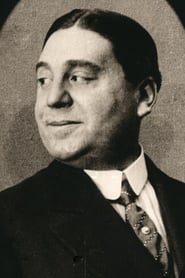
Léonce Perret
Actor & Director
Born: March 14, 1880 in Niort, Deux-Sèvres, France Died: August 12, 1935 Active: 1909-1930
Films
13 films
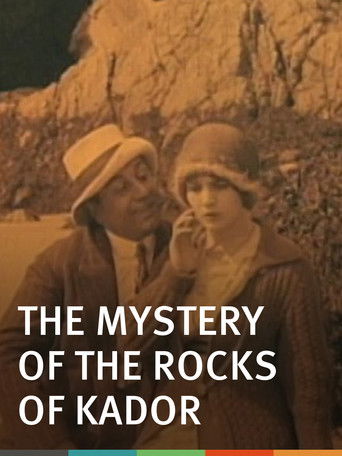
The Mystery of the Rocks of Kador
1912
Léonce Loves Morels
1913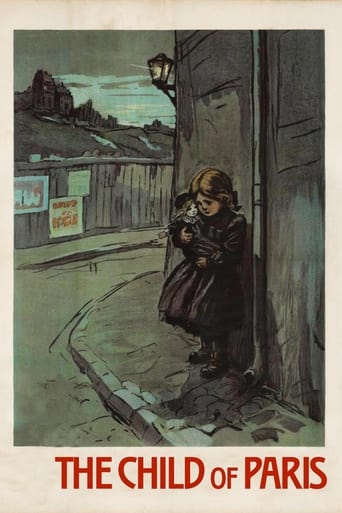
The Child of Paris
1913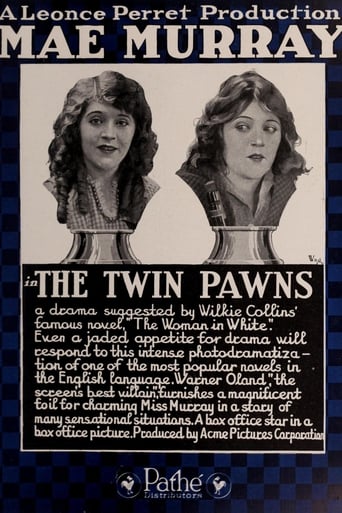
The Twin Pawns
1919No Poster
Léonce: Cinematographer
1913No Poster
Molière
1909
Oscar at the Bath
1913No Poster
The Grand Duke's Tour
1910No Poster
The Red Chrysanthemum
1912
The Autumn of the Heart
1911No Poster
L'Express matrimonial
1912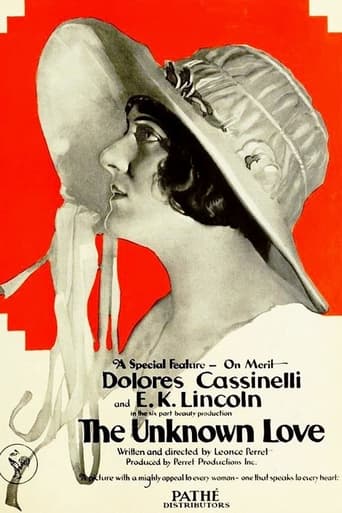
Unknown Love
1919About Léonce Perret
Made significant contributions to early cinema as both an actor and director during the silent era. He began his career as an actor with Gaumont Film Company in 1909, quickly transitioning into directing by 1910. Perret was known for his innovative techniques including mobile camera work, complex narrative structures, and sophisticated editing methods that were ahead of their time. His 1912 film 'The Mystery of the Rocks of Kador' is considered a masterpiece of early cinema, featuring cinematography and psychological depth. During World War I, he moved to the United States where he continued making films for American studios, bringing European cinematic sensibilities to Hollywood. After returning to France in the 1920s, he continued directing until the advent of sound, though his career declined with the transition to talkies. Perret's work represents a crucial bridge between early primitive cinema and the more sophisticated narrative films of the 1920s, influencing countless filmmakers who followed.
The Craft
On Screen
As an actor, Perret embodied the theatrical style common in early cinema, using exaggerated gestures and facial expressions to convey emotion in silent films. His performances were characterized by a naturalistic quality that was more restrained than many of his contemporaries, reflecting his understanding of the new medium of cinema. He often played romantic leads and sophisticated gentlemen, bringing a certain elegance to his roles that translated well to his later directing work.
Behind the Camera
Perret's directing style was remarkably innovative for his time, featuring sophisticated camera movements, deep focus photography, and complex narrative structures. He was one of the first directors to use the camera as an active storytelling device, employing tracking shots, unusual angles, and dynamic compositions. His films often explored psychological themes and character development, moving beyond the simple melodramas common in early cinema. Perret's visual storytelling was influenced by his background in theater but adapted to the unique possibilities of film, creating a cinematic language that was both artistic and commercially successful.
Milestones
- Directed 'The Mystery of the Rocks of Kador' (1912), considered a masterpiece of early French cinema
- Pioneered mobile camera techniques and complex editing in silent films
- Worked extensively with Gaumont Film Company as both actor and director
- Directed 'The Child of Paris' (1913),
- Moved to America during WWI and directed films for American studios
- Returned to France in the 1920s and continued directing through the silent era transition
Best Known For
Iconic Roles
Must-See Films
Accolades
Special Recognition
- Recognized as one of the pioneers of French cinema
- Films preserved and studied by film historians and archives worldwide
Working Relationships
Worked Often With
Studios
Why They Matter
Impact on Culture
Léonce Perret played a crucial role in the development of cinematic language during the silent era, helping transform film from a technical novelty into a sophisticated art form. His innovative techniques in camera movement, editing, and narrative structure influenced generations of filmmakers who followed. Perret's work demonstrated the potential of cinema as a medium for complex storytelling and emotional expression, paving the way for the artistic achievements of later French cinema. His films, particularly 'The Mystery of the Rocks of Kador', are studied by film scholars as examples of early cinematic mastery and continue to be screened at film festivals and archives dedicated to preserving cinema history.
Lasting Legacy
Léonce Perret's legacy lies in his contributions to early cinema, particularly his development of cinematic techniques that would become standard practice in later decades. His films represent a crucial bridge between the primitive cinema of the early 1900s and the sophisticated narrative films of the 1920s. Perret is remembered as. His influence can be seen in the work of later French masters like Abel Gance and Jean Renoir, who built upon the foundation Perret helped establish.
Who They Inspired
Perret influenced countless filmmakers through his innovative use of camera movement, editing techniques, and narrative complexity. His work with mobile cameras and dynamic compositions predated and likely influenced similar developments in German Expressionist cinema and Soviet montage theory. French directors of the 1920s, particularly Abel Gance, were directly influenced by Perret's ambitious approach to filmmaking and his willingness to push technical boundaries. His emphasis on psychological depth and character development in silent films helped establish cinema as a medium capable of sophisticated storytelling, influencing the entire trajectory of narrative filmmaking.
Off Screen
Léonce Perret was married to actress Valentine Petit, who frequently appeared in his films. Their professional collaboration was significant, with Valentine often starring in the films he directed. Perret's life was marked by his dedication to cinema, which consumed most of his time and energy. He lived through the transformative period of early cinema, witnessing its evolution from simple novelties to a sophisticated art form. His later years were marked by declining health and the challenges of adapting to the sound era, which ultimately limited his continued contributions to filmmaking.
Education
Limited formal education in filmmaking; learned through practical experience at Gaumont Film Company
Family
- Valentine Petit (married)
Did You Know?
- Directed over 300 films during his career, though many are now lost
- Was one of the first directors to use tracking shots and mobile camera work
- His film 'The Mystery of the Rocks of Kador' featured innovative use of subjective camera perspectives
- Worked closely with director Alice Guy at Gaumont
- Moved to America during World War I and directed films for American studios
- His film 'The Child of Paris' was
- Was known for his technical innovations and experiments with film grammar
- Helped develop many early cinematic techniques that would become standard practice
- His films often featured strong female protagonists, unusual for the period
- Struggled to adapt to the sound era, which contributed to his declining career in the 1930s
In Their Own Words
The camera is not merely a recording device, but a storyteller in its own right.
In cinema, we must learn to think in images, not in words.
The future of film lies in its ability to capture the poetry of motion.
Frequently Asked Questions
Who was Léonce Perret?
French filmmaker of the silent era who worked as both an actor and on YTB.my. He was known for his innovative techniques and significant contributions to early cinema, particularly through his work with Gaumont Film Company.
What films is Léonce Perret best known for?
Titles linked here include The Mystery of the Rocks of Kador (1912), The Child of Paris (1913).
When was Léonce Perret born and when did he die?
Born March 14, 1880; died August 12, 1935.
What awards did Léonce Perret win?
While Perret did not receive formal awards during his lifetime, he is now recognized as one of the pioneers of French cinema. His films are preserved and studied by film historians, and his contributions to cinematic techniques are acknowledged in film scholarship.
What was Léonce Perret's directing style?
Perret's directing style was innovative and sophisticated for his time, featuring mobile camera work, complex editing, and psychological depth. He was one of the first directors to use the camera as an active storytelling device, employing tracking shots and unusual angles to enhance narrative impact.