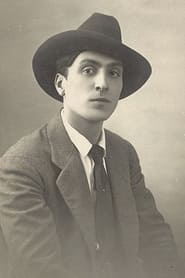
Maurice Vinot
Actor
- Active
- 1909-1913
Films 4
About Maurice Vinot
Maurice Vinot was a French screen actor of the silent-film era whose known film work falls entirely within the first years of narrative cinema. His surviving filmography places him in productions from 1909 to 1913, a period when French filmmaking was rapidly formalizing performance styles and screen acting was still closely tied to stage-derived gesture and pantomime. Vinot is credited in early biblical and literary subjects such as Custody of the Child (1909) and The Nativity (1910), suggesting that he worked in the type of short, prestige productions that were common in European cinema before feature-length films became dominant. He also appeared in Léonce: Cinematographer (1913), indicating involvement in the comic or character-driven screen culture associated with French popular cinema. Beyond these credits, publicly verified biographical information about his life, training, and later career is scarce, which is not unusual for performers from the earliest silent period whose records were often fragmentary or lost. As a result, Maurice Vinot is best understood today as a small but authentic presence in the foundational years of French cinema rather than as a star with a fully documented public biography. His name survives primarily through filmographies and archival references, making him of interest to historians reconstructing the performance culture of pre-World War I film.
More about Maurice Vinot
On screen
No detailed contemporary reviews or performance analyses of Maurice Vinot have been securely verified, so his exact style cannot be described with certainty. Based on the period in which he worked, his screen acting would most likely have relied on the restrained but still legible expressive vocabulary of silent cinema: clear facial expression, body orientation, and gesture calibrated for camera readability. In early French films, performers often balanced theatrical projection with more intimate screen naturalism, and Vinot's credited roles suggest he likely operated within that transitional style. Because his roles appear in short subjects from the pre-feature era, his performances were probably concise and highly functional, serving the dramatic or comic needs of the film rather than a star persona.
In film history
Maurice Vinot's cultural impact lies less in celebrity than in his place within the earliest surviving layer of French screen performance. Actors like Vinot helped define what cinema acting looked like before the medium had settled on a standardized style, contributing to the gradual move from filmed stage tableaux toward more dynamic cinematic storytelling. His presence in religious and character-based films demonstrates the breadth of material early French production companies were exploring, from devotional subjects to light comic narratives. Even when individual performers left few biographical traces, their work collectively shaped the look and rhythm of silent cinema and established the repertory of faces that populated early European film culture. For modern film historians, Vinot is valuable as a representative figure: an actor whose credits reveal the working environment of early production, distribution, and performance in the years before World War I. His filmography helps document the ecosystem in which major developments of silent cinema emerged, including shorter narrative forms, ensemble casting, and the use of recurring screen names across different genres. In that sense, his legacy is archival and historical, preserving evidence of the many artists whose labor built the foundations of classic cinema even if their names are not widely remembered by general audiences.
Later reputation
Maurice Vinot's lasting legacy is his documentary value as a verified participant in the silent-film era, particularly in early French cinema. He stands as one of the many performers whose names survive in credits and filmographies, reminding historians that the birth of cinema was sustained by a large and often anonymous workforce of actors, technicians, and filmmakers. Because so little personal information survives, his legacy is inseparable from the films themselves and from the broader task of reconstructing silent-era production histories. For database purposes, his importance is to anchor specific early titles to an identifiable performer and to preserve a record of cinema's formative years.
Influence
There is no secure evidence that Maurice Vinot directly mentored later famous performers or that he became a major influence on the evolution of acting technique in a documented way. His influence is therefore indirect and historical rather than personal: he contributed to the body of early screen work that helped normalize performance for the camera in France. Early actors like Vinot influenced the medium collectively by participating in the experimentation that led to more controlled, expressive, and film-specific acting. His surviving credits also support later scholarship by providing data points for studying casting networks in prewar French cinema.
Off screen
No reliable, widely documented information about Maurice Vinot's personal life, marriage, family, or post-film career was found in standard historical references available for early cinema performers. This lack of detail is typical of many actors from the 1900s and early 1910s, especially those who did not attain major international stardom or whose archival footprint was not preserved. It is possible that additional information survives in French trade papers, studio records, or civil archives, but such details are not securely established in the public record. Because of that, any claims about spouses, children, education, or later life would be speculative and are best left unasserted.
Credits
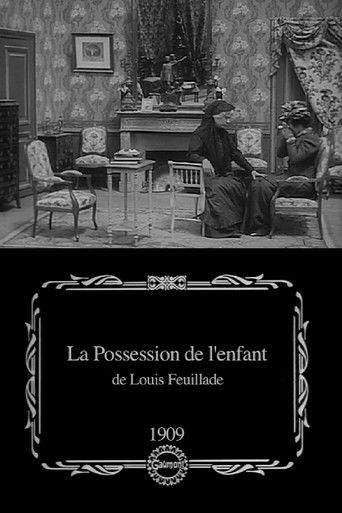
- Appeared in Custody of the Child (1909), one of his earliest surviving screen credits
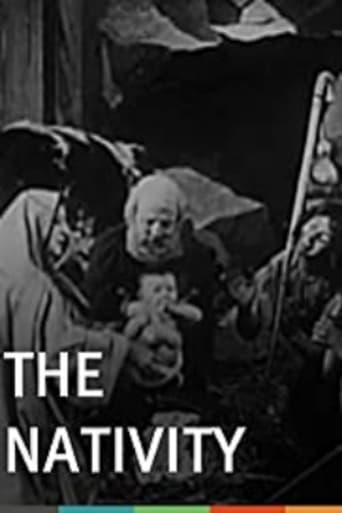
- Acted in The Nativity (1910), reflecting participation in early religious or biblical film subjects
- Worked in Léonce: Cinematographer (1913), linking him to the comic character tradition associated with early French cinema
- Represents one of the many performers active in the formative silent era whose work helped establish screen acting conventions
- Maintained an identifiable film presence across the key years when French cinema was shifting from short subjects to more elaborate narrative films
Roles
- Unnamed role in Custody of the Child
- Unnamed role in The Nativity
- Unnamed role in Léonce: Cinematographer
Films
- Custody of the Child (1909)
- The Nativity (1910)
- Léonce: Cinematographer (1913)
Notes
- Maurice Vinot is documented as a silent-era actor active only in the years 1909 to 1913 in surviving filmographies.
- His credited films include both religious subjects and a comic or character-based title, showing the diversity of early French film production.
- He appears in Custody of the Child (1909), one of the earliest films associated with his name.
- The Nativity (1910) places him in a biblical subject common to early cinema's short-form storytelling.
- Léonce: Cinematographer (1913) links him to the Léonce screen series or character tradition associated with French comic cinema.
- No widely verified biographical details such as birth date, death date, or family background are readily available in standard public references.
- He is a good example of an early film performer whose historical footprint survives mainly through archival film credits rather than biographies or interviews.
Questions
Who was Maurice Vinot?
Maurice Vinot was a French actor active in the silent-film era, with documented screen credits from 1909 to 1913. He is best understood as a performer from the formative years of cinema, appearing in early religious and character-based films.
What films is Maurice Vinot best known for?
He is known from surviving filmography entries for Custody of the Child (1909), The Nativity (1910), and Léonce: Cinematographer (1913). These titles are the main surviving anchors for his career.
When was Maurice Vinot born and when did he die?
His birth date and death date are not securely documented in the available public record. Likewise, his birth place and later life details are not clearly established in standard references.
What awards did Maurice Vinot win?
No awards or nominations are known for Maurice Vinot in the available historical record. This is not unusual for early silent-era performers, many of whom worked before modern award systems existed.
What was Maurice Vinot's acting style?
His exact acting style cannot be verified from surviving criticism, but as a performer of the early silent era he would have worked in a highly expressive visual mode. That style typically relied on body language, facial clarity, and gesture suited to films made before synchronized sound.
What is Maurice Vinot's legacy in film history?
His legacy is primarily historical and archival. He represents the many early French screen actors whose work helped shape silent cinema, even when their personal biographies were only minimally recorded.