1913 · null

Also available on: Archive.org

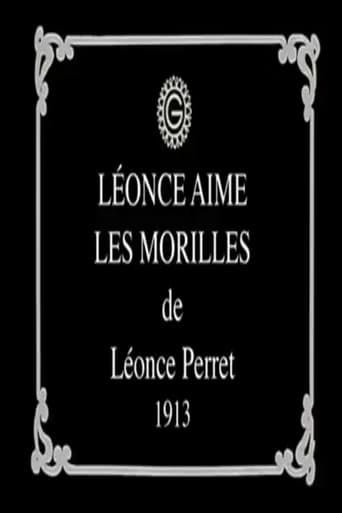
Léonce: Cinematographer

1913 null France

"null"

jealousy and suspicioncelebrity and private lifemisunderstandingself-reflexive filmmakingmarital comedy

Plot

Léonce works at the Gaumont studios as a popular screen actor, but his domestic life is thrown into chaos when his wife begins to suspect him of infidelity. Her suspicions are triggered by a series of incriminating-looking clues: women’s hair on his coat, fan letters in his pocket, and other evidence that seems to point to secret romances. As she investigates further, the film turns the accusation into a comic misunderstanding, with the situation escalating through increasingly absurd bits of business and physical comedy. The story plays on jealousy, celebrity, and the confusion between on-screen image and private life, ultimately using the studio setting itself as part of the joke.

About the Production

Release Date 1913
Budget null
Box Office null
Production Gaumont
Filmed In Gaumont studios, France

This is a short silent comedy produced by Gaumont and directed by Léonce Perret, who also appears in the film as himself or a fictionalized version of the Léonce persona associated with his comedy series. Like many early French one-reel comedies, it was built around a studio-based situation, light farce, and visual misunderstanding rather than intertitles-heavy dialogue or elaborate narrative construction. The film reflects the highly industrialized production environment at Gaumont in the early 1910s, where directors and performers often repeated recognizable screen personae across multiple short subjects. Surviving documentation for exact running time, release schedule, and original promotional materials is limited, so some production specifics are not fully verifiable from extant records.

Historical Background

The film was made in 1913, on the eve of the First World War, during a formative and highly creative period for French cinema. France, and especially companies like Gaumont, remained central to international film production, developing studio systems, star personae, and recurring comic formats that would influence cinema well beyond the silent era. At this moment, films were often short, visually driven, and designed for broad international circulation, with comedies relying on instantly legible situations such as jealousy, mistaken identity, and domestic confusion. Léonce: Cinematographer also reflects an early fascination with movie stardom and the public/private divide, a theme that became increasingly important as cinema turned performers into recognizable celebrities.

Why This Film Matters

Although not a major canonical title, the film is culturally significant as an early example of self-aware studio comedy and star-persona humor in French cinema. It demonstrates how early filmmakers were already exploiting the comedy of publicity, fandom, and private jealousy around screen performers, anticipating later films about celebrity culture. The title and premise also show how cinema was beginning to reflect on itself, using the film studio as a setting and the star’s off-screen life as comic material. For historians, it is a useful example of the continuity between stage comic traditions, early film farce, and the emerging system of recurring film stars.

Making Of

Léonce: Cinematographer was made during a period when Léonce Perret was expanding his reputation at Gaumont as both a director and an on-screen comic presence. The film appears to have been conceived as a short, efficient studio comedy built around familiar stock situations, which was typical of early 1910s French production practices. The use of the Gaumont studio setting suggests a self-reflexive approach: the film turns the mechanics of production and the identity of the star into part of the comic premise. Exact details of production circumstances, such as shooting dates, crew composition, or surviving continuity records, are not well documented, but the movie fits squarely within the polished, lightly satirical style associated with Perret’s work for Gaumont.

Visual Style

The film likely uses the clean, frontal, stage-influenced visual style common to French shorts of the period, with emphasis on readable action, expressive performance, and spatial clarity. Because the story is driven by visual clues such as hair, letters, and facial reaction, the cinematography would have needed to keep props and gestures prominent in frame. Early studio comedies from Gaumont often favored controlled interior settings and carefully arranged blocking so that misunderstandings played out clearly for the audience. The title implies a photographic or camerawork angle, but the film’s visual interest lies primarily in the self-conscious studio environment and the comic staging of suspicion.

Innovations

There are no documented groundbreaking technical innovations associated specifically with this title, but it is notable for its early self-reflexive use of the film studio as a comedy setting. The film participates in the developing language of screen farce, where precise visual information and timing create the joke without reliance on dialogue. Its interest for film history lies more in its industrial and cultural self-awareness than in any single mechanical invention. It also illustrates the efficient production style of Gaumont shorts, where recognizable performers and simple setups could generate a complete comic narrative in a compact running time.

Music

As a 1913 silent film, it had no synchronized soundtrack. Any music would have been provided live during exhibition, typically by a pianist, small ensemble, or theater musician using locally selected accompaniment. No original score is known to survive, and no definitive cue sheet is documented for this title. Modern screenings, if they occur, are generally accompanied by archive-generated or theater-selected silent-film music.

Famous Quotes

null

Memorable Scenes

  • The wife discovers the seemingly incriminating ladies’ hair on Léonce’s coat, setting the comic misunderstanding in motion.
  • The inspection of fan letters in Léonce’s pocket escalates the suspicion and turns ordinary personal effects into evidence in a farce of jealousy.
  • The studio setting itself functions as a comic space, with the audience invited to laugh at the gap between the actor’s public role and his private domestic crisis.

Did You Know?

  • The film is part of the early comic screen output associated with Léonce Perret, who was both a director and performer at Gaumont.
  • The plot specifically uses the real-world film studio as a comedic setting, making the filmmaking environment itself part of the joke.
  • It satirizes the vulnerability of male stars to gossip and the domestic anxieties caused by celebrity life, a theme that feels strikingly modern for such an early film.
  • Suzanne Le Bret appears as Léonce’s suspicious wife, giving the film a husband-and-wife comic dynamic common in silent farce.
  • Maurice Vinot is also credited in the cast, reflecting Gaumont’s practice of using a repertory of recurring performers across many short films.
  • The title suggests a camera-related profession, but the comedy is more about image-making and suspicion than about cinematography as a literal trade.
  • Because many early French shorts survive only partially documented, precise technical credits for this title are often incomplete in modern databases.
  • The film is an example of early screen celebrity self-parody, with Léonce Perret leveraging his own on-screen identity for comedy.
  • As with many Gaumont shorts of the period, the film likely circulated internationally under variant translated titles.
  • Its domestic jealousy plot belongs to a long-running comic tradition that predates and anticipates later husband-wife farces in cinema.

What Critics Said

Contemporary critical reception is not well preserved in widely accessible sources, and no substantial review record is readily documented for this specific title. Like many short comedies of the period, it was likely reviewed, if at all, as part of a broader release program rather than as a standalone prestige feature. Modern appreciation is mainly archival and historical, with interest focused on Léonce Perret’s career, Gaumont production practices, and the evolution of early screen comedy. Today the film is chiefly of value to silent-film historians rather than to mainstream critical discourse.

What Audiences Thought

Detailed audience-response records for the film are not known to survive. As a short comedy from 1913, it was likely intended to entertain mixed theater audiences with a straightforward, visually readable domestic farce. The premise of jealous suspicion, especially when anchored by a recognizable screen performer, would have been accessible and amusing to contemporary viewers. Modern audiences who encounter the film tend to do so in archival or historical contexts rather than as a mass-market entertainment.

Film Connections

Influenced By

  • French stage farce traditions
  • early music-hall and vaudeville comic routines
  • the emerging silent-film comedy format at Gaumont

This Film Influenced

  • Later studio comedies about filmmaking and celebrity culture
  • Domestic jealousy farces in silent and sound cinema
  • Meta-cinematic comedies that use the film set as a comic space

Film Restoration

Survival status is uncertain in widely accessible documentation; the film is not commonly available and may survive only in archival holdings or fragmentary records. It is not generally known as a restored title in mainstream circulation. Researchers should consult French film archives and catalogues for the most current preservation information.

Themes & Topics

jealousystudio comedysilent filmGaumontmisunderstandingwife suspects infidelityscreen actorfarce