1914 · Approximately 16 minutes

Also available on: YouTube Archive.org
The New Janitor

The New Janitor

1914 Approximately 16 minutes United States

"null"

Class conflictWorkplace humiliationCorruption and greedMistaken identitySocial satire

Plot

Charlie Chaplin plays a meek office janitor who works for a bank and is constantly bullied by the institution’s staff. One day, while cleaning near an upstairs window, he accidentally sends a bucket of water falling onto the bank’s chief executive, and the comic mishap costs him his job. At the same time, one of the junior managers is under pressure from a bookie who threatens to expose his gambling debts, and the manager devises a plan to steal from the bank to cover himself. The janitor, after being dismissed, becomes entangled in the resulting theft and mistaken identities, and Chaplin’s trademark physical comedy helps turn the situation into a series of escalating chases and reversals. The film resolves by exposing the corrupt manager’s wrongdoing and restoring order, while allowing Chaplin’s little-guy persona to emerge sympathetically from the chaos.

About the Production

Release Date 1914-12-31
Budget null
Box Office null
Production Keystone Film Company
Filmed In Keystone Studios, Edendale, Los Angeles, California, USA

The New Janitor was made during Charlie Chaplin’s prolific first year at Keystone, when he was refining the screen personality that would soon become globally famous. Like many Keystone productions, it was made quickly on an efficient assembly-line schedule, with emphasis on physical gags, speed, and broad comic action rather than elaborate sets or long rehearsals. The film is notable for pairing Chaplin’s tramp-like sympathy with a more corporate, urban setting, using the bank office as a backdrop for satire about authority, hypocrisy, and class tension. Surviving documentation and period references indicate that the film was released as part of Keystone’s regular one-reel comedy output, with Chaplin writing and shaping his scenes through performance and improvisation rather than credited screenplay authorship.

Historical Background

The New Janitor was made in 1914, a pivotal year in world history marked by the outbreak of World War I and major social and industrial change. In the United States, silent cinema was becoming a mass entertainment medium, and Keystone was one of the studios helping define the cinematic language of slapstick comedy. Chaplin arrived at Keystone that same year and rapidly became one of the most recognizable performers in the industry, with audiences responding to his mix of pathos, mischief, and physical precision. The film reflects the era’s fascination with office life, banking, and modern urban labor, while also tapping into anxieties about corruption, status, and precarious employment. As one of Chaplin’s early surviving films, it helps document the shift from vaudeville-style gag reels toward a more character-centered cinema that would soon dominate his work.

Why This Film Matters

While not one of Chaplin’s most famous titles, The New Janitor is historically important because it belongs to the formative period in which he defined the comic persona that would become central to 20th-century film culture. The film demonstrates how Chaplin could humanize a low-status worker and make everyday labor into a site of dignity, frustration, and comic resistance. Its setting in a bank office also gives it a subtle social dimension, contrasting institutional power with the vulnerability of the laborer and the moral weakness of the managers. For film historians, the movie is valuable as an example of early Chaplin craftsmanship before the fully mature artistry of the Essanay, Mutual, and later features. It remains of interest to silent-comedy enthusiasts and scholars studying the development of screen comedy, performance style, and the evolution of the Tramp-like figure.

Making Of

The New Janitor was produced at the height of Chaplin’s first burst of screen creativity at Keystone, when he was learning to adapt stage-derived comic business to the demands of silent film. The production likely relied on a compact company of performers and a small number of sets typical of Keystone’s fast-moving output, with Chaplin using props such as the mop, bucket, and office furniture as engines for escalating visual comedy. Because Keystone comedies were built around speed and spontaneity, much of the effect depends on Chaplin’s timing, eye-line control, and the way he turns an apparently minor mishap into a social disruption. The film also shows Chaplin broadening his material beyond the working-class streets and into a more satirical critique of office hierarchy and financial respectability, a thread that would become increasingly important in his later films.

Visual Style

The cinematography is typical of early Keystone slapstick: mostly static, medium-distance framing that keeps the action legible and allows performers to move freely within the frame. The visuals rely on clear staging, simple interiors, and careful placement of props so that gags can unfold in a single sustained view. Rather than sophisticated camera movement, the emphasis is on performance geometry, with Chaplin using entrances, exits, reactions, and sudden bursts of motion to control comic rhythm. The bank-office setting provides a clean, orderly visual contrast to the chaos generated by the characters’ actions, reinforcing the comic collision between decorum and disorder.

Innovations

The New Janitor does not feature major technical innovation in the sense of camera invention or special effects, but it is notable for its efficient and disciplined use of silent-comedy staging. Chaplin and the Keystone team use simple interior blocking and prop-driven action to create escalating comic cause and effect, a technique that became central to later screen comedy. The film also shows Chaplin’s growing mastery of expressive pantomime, allowing emotional shifts, social humiliation, and comic retaliation to register without dialogue or intertitles doing too much of the work. Its technical value lies in how well it translates theatrical business into cinematic timing.

Music

As a silent film, The New Janitor originally had no synchronized soundtrack. In modern presentations, it is typically accompanied by a period-style piano score or an archival orchestral cue track supplied by the distributor, museum, or streaming platform. Exact musical accompaniment can vary by restoration or exhibition source, and no single original cue sheet is universally associated with the film in modern circulation. The film’s comedy is structured to work musically, however, with strong visual rhythm and action beats that invite live accompaniment.

Famous Quotes

null

Memorable Scenes

  • Chaplin’s janitor accidentally dumps a bucket of water out of a window and drenches the bank’s chief banker, instantly turning a mundane cleaning task into a career-ending calamity.
  • The junior manager’s desperation over gambling debts creates a secondary plot thread that links private vice with corporate crime.
  • Chaplin’s dismissal from the bank allows the comic energy to shift from workplace routine into freewheeling slapstick and chase dynamics.
  • The final exposure of the manager’s wrongdoing brings the plot’s strands together and restores a kind of comic justice.

Did You Know?

  • The film was one of several Chaplin Keystone comedies set in workplaces, showing how his comic outsider could be dropped into modern urban institutions.
  • It features one of Chaplin’s early variations on the vulnerable-but-resourceful character that would later become The Tramp.
  • The story uses a bank as both a literal workplace and a symbol of financial respectability threatened by greed and impropriety.
  • The film reflects the rapid production methods at Keystone, where Chaplin was turning out multiple films in a single month during 1914.
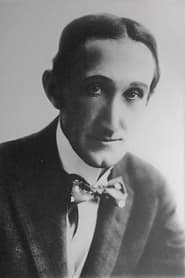
  • John T. Dillon appears as the scheming junior manager, providing a foil to Chaplin’s lower-status janitor character.
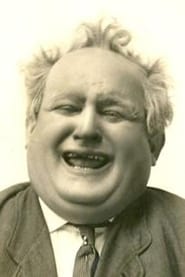
  • Jess Dandy appears as the bank’s chief banker, whose authority is undermined by the comic accident that sets the plot in motion.
  • The film survives and is available through archival and public-domain circulation, unlike many silent-era comedies that are lost or fragmentary.
  • It is often discussed in Chaplin scholarship as part of the transition from pure Keystone slapstick toward more character-based comedy.

What Critics Said

Contemporary reviews of Keystone comedies were often brief and mixed, emphasizing their popularity more than their artistic value, and The New Janitor was generally received as another effective Chaplin vehicle in the studio’s profitable lineup. Audiences of the period responded strongly to Chaplin’s comic timing and sympathetic screen presence, which separated him from many other slapstick performers. Modern critics and historians tend to view the film as a solid early Chaplin comedy rather than a masterpiece, but one that is important for understanding how quickly he was refining his technique in 1914. It is often appreciated for the balance between broad slapstick and character-based humor, as well as for its early use of social satire.

What Audiences Thought

At the time of release, the film benefited from Chaplin’s rapidly expanding popularity, which drove strong audience interest in whatever he appeared in during 1914. Keystone films were designed for mass exhibition and short-program variety bills, so The New Janitor would have been consumed as a lively comic item rather than a prestige attraction. Today, audiences drawn to silent cinema and Chaplin’s early work usually find it enjoyable for its brisk pacing, expressive physical comedy, and the charm of watching the comedian’s screen personality take shape. It is especially appreciated by viewers interested in the evolution of The Tramp and the development of silent-era visual comedy.

Film Connections

Influenced By

  • Vaudeville comic routines
  • Music-hall physical comedy
  • Stage farce
  • Early Keystone slapstick tradition

This Film Influenced

  • Later Chaplin workplace comedies
  • The Tramp (1915)
  • Modern silent-comedy restorations and retrospectives

Film Restoration

The film is preserved and survives in circulation through archival and home-video/public-domain sources; it is not considered lost.

Themes & Topics