1909 · Approximately 10-15 minutes

Also available on: Archive.org
Custody of the Child

Custody of the Child

1909 Approximately 10-15 minutes France
The importance of love over wealthParental custody and family separationClass contrast between rich and poor householdsChildhood innocence and emotional truthMelodramatic moral instruction

Plot

Custody of the Child is a short melodrama centered on a wealthy father who is awarded custody of his child after a separation, while the child’s mother leaves in tears. At first, the boy appears to have everything material comfort can provide, but his emotional life is deeply unhappy because affection and tenderness are missing from his new home. After spending a weekend with his impoverished mother, the child comes to understand that warmth, love, and human care matter more than money or luxury. He then returns determined to persuade his father that wealth without compassion is hollow and destructive, turning the film into a moral lesson about parental love, class, and emotional well-being.

About the Production

Release Date 1909
Production Pathé Frères
Filmed In France

Custody of the Child was produced as a short French silent melodrama during the height of Pathé's prewar production activity, when Louis Feuillade was making numerous compact narrative films for the company. Like many films of the period, it was likely shot quickly on modest studio resources, using simple sets and theatrical staging rather than elaborate location work. Surviving documentation is limited, so precise budget, box office, and exact studio stage information are not generally recorded in modern references. The film is notable primarily for its social-moral subject matter rather than for any large-scale production design or spectacle.

Historical Background

Custody of the Child was produced in 1909, when cinema was transitioning from novelty attraction toward a more developed narrative art form. In France, Pathé was one of the dominant forces in film production and distribution, and filmmakers like Louis Feuillade were helping define the grammar of mainstream silent storytelling. The film reflects contemporary social anxieties about marriage, divorce or separation, parenting, wealth, and the moral education of children, all themes that resonated strongly in early twentieth-century melodrama. It also belongs to a period before feature-length cinema became standard, so stories had to communicate character, conflict, and resolution in a compact form, using visual economy and easily legible emotional situations. Historically, it matters as part of Feuillade's early body of work and as evidence of how silent cinema addressed domestic and class conflict in accessible, morally charged terms.

Why This Film Matters

Although not among the most famous titles from Feuillade's career, Custody of the Child is culturally significant as an example of early film melodrama using a child-centered domestic story to argue that emotional care outweighs material wealth. It illustrates how silent cinema frequently functioned as a vehicle for social instruction, presenting family breakdown and class contrast in a way intended to be immediately intelligible to broad audiences. The film also helps demonstrate Feuillade's range beyond crime serials, showing that he was equally at home with intimate, morally pointed dramas. For historians, it contributes to the understanding of Pathé's role in shaping international silent-era taste and the spread of emotionally direct, compact narrative cinema.

Making Of

Very little granular behind-the-scenes documentation appears to survive for Custody of the Child, which is typical for short films from 1909. What is clear is that it was made within Pathé's highly efficient production system, where directors like Feuillade delivered numerous films in rapid succession for international distribution. The casting of established Pathé performers such as Renée Carl and Maurice Vinot suggests a production drawn from a stable repertory of actors familiar with silent performance conventions and the demands of fast-moving shoots. The film's emotional clarity indicates the kind of careful visual planning Feuillade favored: simple setups, expressive acting, and direct audience appeal rather than visual extravagance.

Visual Style

The cinematography is characteristic of early 1900s French silent filmmaking: static or minimally mobile camera placement, a strong reliance on tableau composition, and stage-like blocking that keeps emotional relationships clearly visible. Visual storytelling would have depended on expressive gestures, facial reactions, and readable spatial arrangements rather than rapid cutting or elaborate camera movement. The film likely uses clean, direct compositions to emphasize the contrast between the rich father's home and the poorer but emotionally warmer environment of the mother. This straightforward visual approach is typical of Feuillade's early work, where clarity and immediacy are prioritized over stylistic flourish.

Innovations

Custody of the Child does not appear to be associated with a major technical innovation in the way later silent films are, but it is representative of the efficient storytelling techniques that were becoming standardized in 1909. Its achievement lies in the concise dramatization of moral conflict through visual means, showing how early cinema could communicate complex emotional and social ideas without dialogue. The film demonstrates the use of child-centered narrative as a powerful emotional device, a technique that became common in silent melodrama. It also forms part of the professional craft tradition at Pathé, where economical production and clear narrative design were key strengths.

Music

As a silent film, Custody of the Child had no synchronized recorded soundtrack. At original screenings, it would have been accompanied by live music, typically a pianist, organist, or small ensemble depending on venue and exhibition context. No original composed score is generally documented in standard references, and modern presentations may use newly commissioned accompaniment or archival-style piano music. Music would have been chosen to support the melodramatic tone and guide audience emotion through the film's domestic conflict.

Memorable Scenes

  • The emotional moment when the mother leaves in tears as custody is granted to the wealthy father, establishing the film's central conflict.
  • The child’s unhappy life in the father's comfortable but emotionally cold household, where material privilege cannot replace affection.
  • The weekend visit to the poor mother's home, which contrasts warmth and tenderness with the father's wealth.
  • The child’s realization that money is not the source of true happiness, serving as the film’s moral turning point.
  • The final attempt to persuade the father that his wealth is spiritually corrosive compared with love and human care.

Did You Know?

  • The film was directed by Louis Feuillade, one of the most important French filmmakers of the silent era and later the creator of serial landmarks such as Fantômas and Les Vampires.
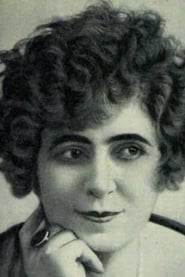
  • It stars Renée Carl, Christiane Mandelys, and Maurice Vinot, performers who appeared frequently in French silent cinema and in Feuillade productions.
  • The story reflects a recurring melodramatic concern of early cinema: the emotional damage caused when custody, money, and social status override parental affection.
  • The film belongs to Feuillade's early dramatic period, before he became especially famous for crime serials and feuilleton-style adventures.
  • As a 1909 production, it was made in the era when many films were still quite short and relied on clear moral storytelling and visual pantomime rather than intertitles-heavy complexity.
  • The title is sometimes cataloged in English as Custody of the Child, but the film belongs to the French silent tradition and may have circulated under a French-language title in original documentation.
  • Because the film is so early, detailed production records such as shooting dates, exact running time, and financial data are not widely preserved.
  • The plot aligns with early cinema's frequent use of children as moral witnesses, allowing innocence to expose adult failings.
  • Louis Feuillade often specialized in concise, emotionally direct stories for Pathé, and this film is a good example of his ability to communicate social sentiment efficiently.
  • The film is valuable to historians as an example of how silent-era melodrama staged domestic conflict as a moral and class-based lesson.

What Critics Said

Contemporary critical commentary on Custody of the Child is not widely preserved in readily accessible modern reference sources, so detailed period reviews are difficult to verify. Like many short French melodramas of the era, it was likely valued at the time for its clear emotional situation, moral lesson, and the popularity of its production team rather than for formal experimentation alone. Modern film historians tend to view it as a small but telling piece of Feuillade's early output, useful for understanding the development of prewar French narrative film and the melodramatic conventions that shaped early screen storytelling. Its reputation today is therefore more archival and historical than canonical, but it remains of interest to scholars of early cinema and silent melodrama.

What Audiences Thought

Specific audience data from 1909 is not extant in the form of reliable box-office records or audience surveys. As a Pathé release by a recognized director, it would likely have reached viewers through the broad circulation networks that made French films widely seen both domestically and abroad. The story's domestic conflict and child-centered emotional appeal would have been easily readable to audiences accustomed to silent pantomime and moralized melodrama. Today, audience reception is mostly limited to historians, archivists, and classic-film enthusiasts who encounter the film as part of early French cinema studies.

Film Connections

Influenced By

  • French stage melodrama
  • Early Pathé domestic dramas
  • Late nineteenth-century moral fiction about family and class

This Film Influenced

  • Early custody and child-welfare melodramas in silent cinema
  • Domestic melodramas emphasizing the moral superiority of love over wealth

Film Restoration

Preservation status is not clearly documented in the available reference information. The film is historically cataloged and known by title and credits, but accessible surviving print material may be limited or uncertain. If extant, it is likely held in archival collections or listed in filmographic databases rather than widely circulated through commercial restorations. No widely documented modern restoration is commonly cited in standard references.

Themes & Topics