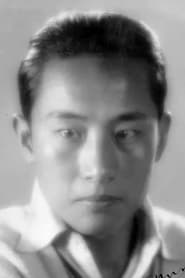
Wang Bin
Director
Born: 1912 in Shandong Province, China Died: 1960 Active: 1930s-1960 Birth Name: 王滨 (Wang Bin)
Films
1 film
About Wang Bin
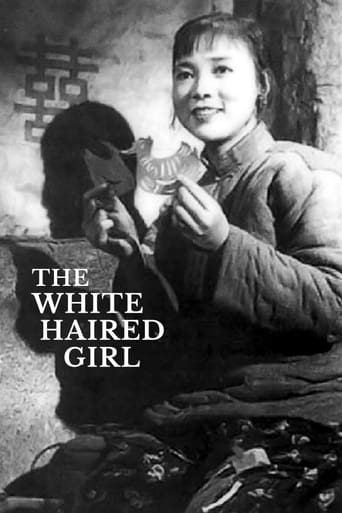
Wang Bin (王滨) was a Chinese film director who in the development of early People's Republic of China cinema. Born in Shandong Province in 1912, he began his career in the 1930s during China's turbulent pre-revolutionary period. Wang Bin emerged as a prominent filmmaker after the founding of the PRC in 1949, becoming associated with the Northeast Film Studio, one of China's most important production centers. His most celebrated work, 'The White-Haired Girl' (1951), co-directed with Shui Hua, became a landmark of socialist realist cinema and remains films in Chinese film history. Throughout his career, Wang Bin was dedicated to creating films that aligned with the revolutionary ideals and cultural policies of the new communist government. His directorial approach emphasized the transformation of traditional Chinese cultural elements into vehicles for socialist education and propaganda. Wang Bin's career was cut short by his untimely death in 1960, but his contributions to Chinese cinema, particularly in adapting revolutionary operas for the screen, left an enduring legacy.
The Craft
Behind the Camera
Wang Bin's directing style was characterized by socialist realist aesthetics, emphasizing dramatic emotional appeal combined with revolutionary messaging. He specialized in adapting traditional Chinese opera forms for cinematic presentation, maintaining the musical and theatrical elements while utilizing film techniques to enhance accessibility. His approach balanced entertainment value with ideological education, creating films that were both artistically compelling and politically aligned with Communist Party values. Wang Bin's visual style often featured stark contrasts between the oppression of the old society and the liberation brought by revolution, using chiaroscuro lighting and dramatic composition to reinforce thematic elements.
Milestones
- Directed 'The White-Haired Girl' (1951)
- Pioneered adaptation of revolutionary opera to film
- Key figure at Northeast Film Studio
- Contributed to early PRC cinema development
- Helped establish socialist realist film style in China
Best Known For
Must-See Films
Accolades
Won
- Special recognition for contributions to Chinese revolutionary cinema
Nominated
- Cultural Revolution era retrospective recognition for revolutionary films
Special Recognition
- Recognized as pioneer of PRC cinema
- Northeast Film Studio Hall of Fame
Working Relationships
Worked Often With
Studios
Why They Matter
Impact on Culture
Wang Bin's 'The White-Haired Girl' became. The film's enormous success demonstrated how traditional Chinese cultural elements could be transformed to serve socialist ideology, creating a model that would be replicated for decades. Wang Bin's work contributed to the development of a distinctly Chinese socialist realist cinema that differed from Soviet models by incorporating indigenous artistic traditions. His films helped shape generations of Chinese viewers' understanding of the revolution and the supposed evils of the old society versus the virtues of the new communist order.
Lasting Legacy
Wang Bin's legacy endures primarily through 'The White-Haired Girl,' which remains a classic of Chinese cinema and is still studied in film schools today. His work in adapting opera for film influenced countless subsequent Chinese directors who sought to blend traditional and modern elements. Wang Bin represents the first generation of PRC filmmakers who helped establish the ideological and aesthetic foundations of Chinese cinema under communism. While his name is not as widely recognized internationally as some of his contemporaries, within China he is remembered as a crucial figure in the development of revolutionary cinema. His approach to combining entertainment with political education became a standard model for Chinese state-sponsored filmmaking.
Who They Inspired
Wang Bin influenced subsequent generations of Chinese directors through his successful adaptation of traditional art forms for revolutionary purposes. His work demonstrated how cinema could effectively serve as a tool for political education while maintaining artistic and entertainment value. The template he established with 'The White-Haired Girl' influenced numerous later film adaptations of revolutionary operas and traditional stories. Directors such as Xie Jin and others working in the socialist realist tradition built upon Wang Bin's foundation. His influence extended beyond cinema to the broader cultural policy of how traditional Chinese arts could be transformed to serve revolutionary purposes.
Off Screen
Wang Bin was born into a family in Shandong Province during the final years of imperial China. He came of age during the tumultuous period of warlordism, Japanese invasion, and civil war that shaped his worldview and artistic vision. Like many intellectuals of his generation, he was drawn to the Communist movement as a solution to China's problems. Wang Bin married and had children, though specific details about his family life remain limited in historical records. His career flourished after 1949 when the new government established state-controlled film studios that provided opportunities for directors aligned with revolutionary ideals. Wang Bin died in 1960 in Beijing, before the Cultural Revolution would dramatically transform Chinese cinema and society.
Education
Limited information available, likely self-taught or informally trained in early Chinese film industry
Family
- Unknown - historical records limited
Did You Know?
- 'The White-Haired Girl' was one of the first color films produced in the People's Republic of China
- The original opera was based on a legend from the Hebei-Henan border region
- Wang Bin co-directed the film with Shui Hua, a common practice for important productions in early PRC cinema
- The film was shot at the newly established Northeast Film Studio, which became China's most important production center
- 'The White-Haired Girl' was simultaneously released as a film and continued as a stage opera, demonstrating the multimedia approach to revolutionary art
- The film's success led to numerous imitations and adaptations of traditional stories for revolutionary purposes
- Wang Bin died before the Cultural Revolution, which would have dramatically affected his career and legacy
- The film was one of the first Chinese films to receive international distribution in socialist countries
- The story of 'The White-Haired Girl' was based on real cases of peasant exploitation in pre-revolutionary China
- Wang Bin's version emphasized the transformation of personal suffering into class consciousness, a key theme in socialist realist art
In Their Own Words
Film must serve the people and the revolution - this is our fundamental principle as filmmakers in the new China
Traditional art forms are not obstacles to socialism; they are treasures that must be transformed for the people
The camera is our weapon in the struggle to build a new socialist consciousness
Every frame must educate while it entertains - this is the duty of revolutionary cinema
Frequently Asked Questions
Who was Wang Bin?
Wang Bin (1912-1960) was a Chinese film director best known for co-directing 'The White-Haired Girl' (1951),. He was a key figure in developing socialist realist filmmaking in China and specialized in adapting traditional art forms for revolutionary purposes.
What films is Wang Bin best known for?
Titles linked here include The White-Haired Girl (1951).
When was Wang Bin born and when did he die?
Born 1912; died 1960.
What awards did Wang Bin win?
While specific awards from Wang Bin's era are not well-documented in Western sources, he received special recognition for his contributions to Chinese revolutionary cinema and was honored as a pioneer of PRC cinema. His work, particularly 'The White-Haired Girl,' received retrospective recognition for its importance in Chinese film history.
What was Wang Bin's directing style?
Wang Bin's directing style was characterized by socialist realist aesthetics, combining dramatic emotional appeal with revolutionary messaging. He specialized in adapting traditional Chinese opera forms for cinema while maintaining their musical and theatrical elements. His approach emphasized stark contrasts between oppression and liberation, using visual techniques to reinforce ideological themes.